
HVAC Maintenance That Prevents Breakdowns
A furnace or AC that's never been serviced is more likely to fail at the worst possible time, whether that's the coldest night of winter or the hottest week of summer. American Heating & Air provides seasonal HVAC maintenance for homeowners throughout Boise, Meridian, Nampa, Caldwell, Eagle, Kuna, Star, Middleton, Garden City and the surrounding Treasure Valley. Regular maintenance is one of the simplest ways to avoid an unexpected repair call.
What Our HVAC Maintenance Service Includes
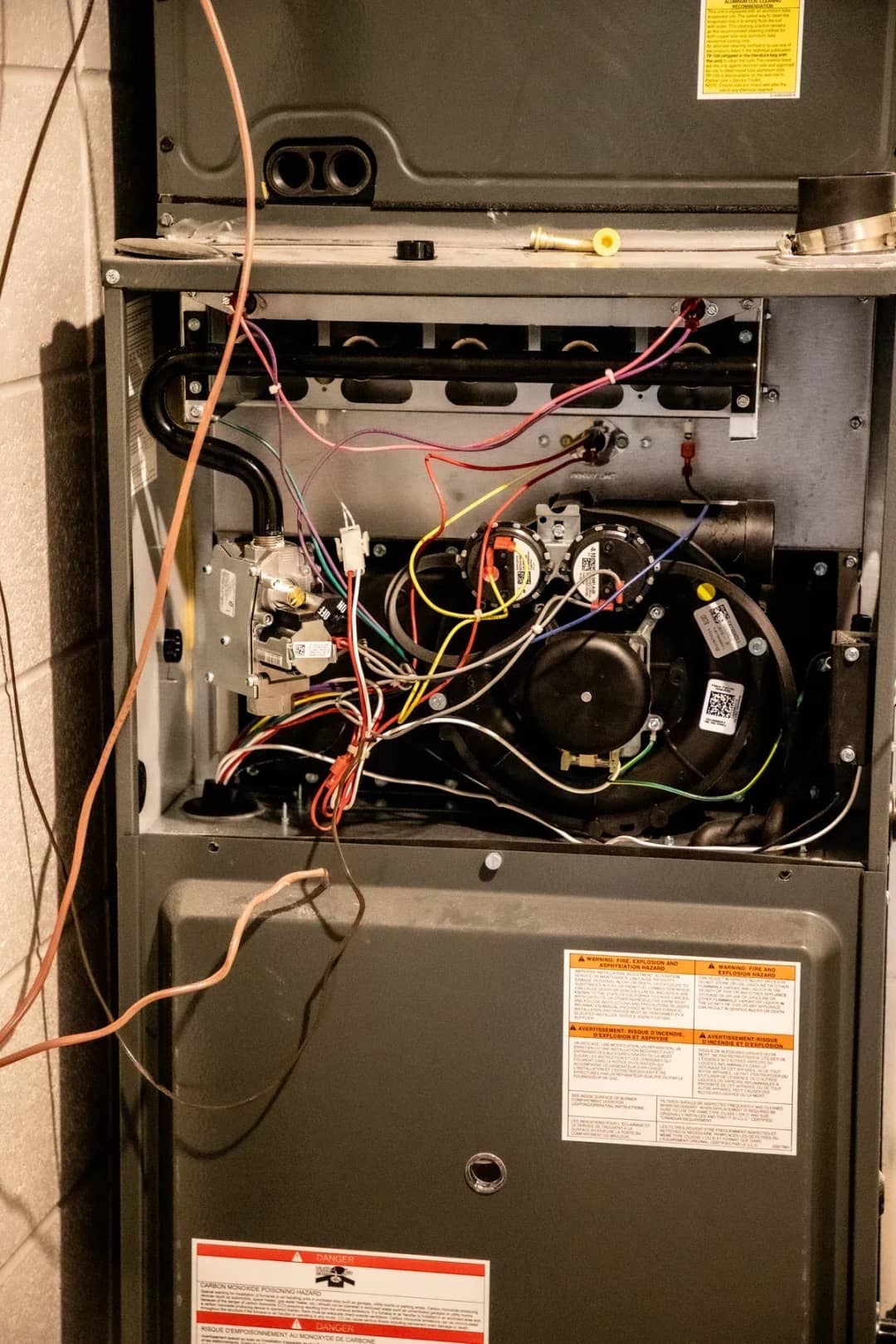
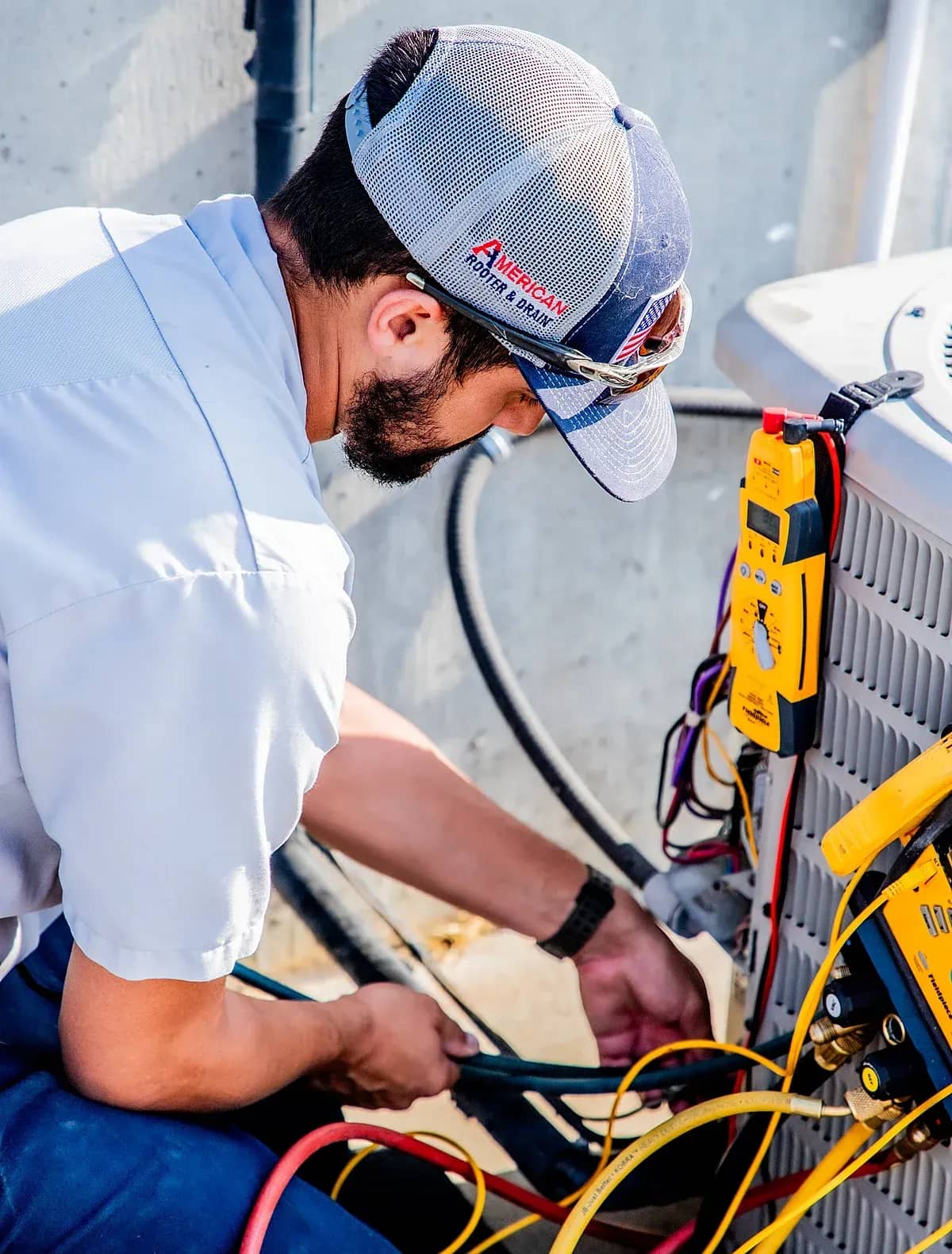
A tune-up covers inspecting and cleaning key components, checking electrical connections, testing the thermostat and controls, checking refrigerant levels on AC and heat pump systems, inspecting the furnace's ignition and heat exchanger, and confirming the system is running efficiently. We flag anything that looks like it's heading toward a problem, like a worn belt, a weak capacitor or a dirty coil, so you can decide how to handle it before it turns into a breakdown.
Signs Your System Is Overdue for Maintenance
If it's been more than a year since your furnace or AC was serviced, if you've noticed rising energy bills without a clear cause, if the system seems to be working harder than it used to, or if you can't remember the last time anyone looked at it, it's likely overdue. Homes with a system that's never had a tune-up since installation are also good candidates for a first visit, even if nothing seems to be wrong yet.
What to Expect on the Visit
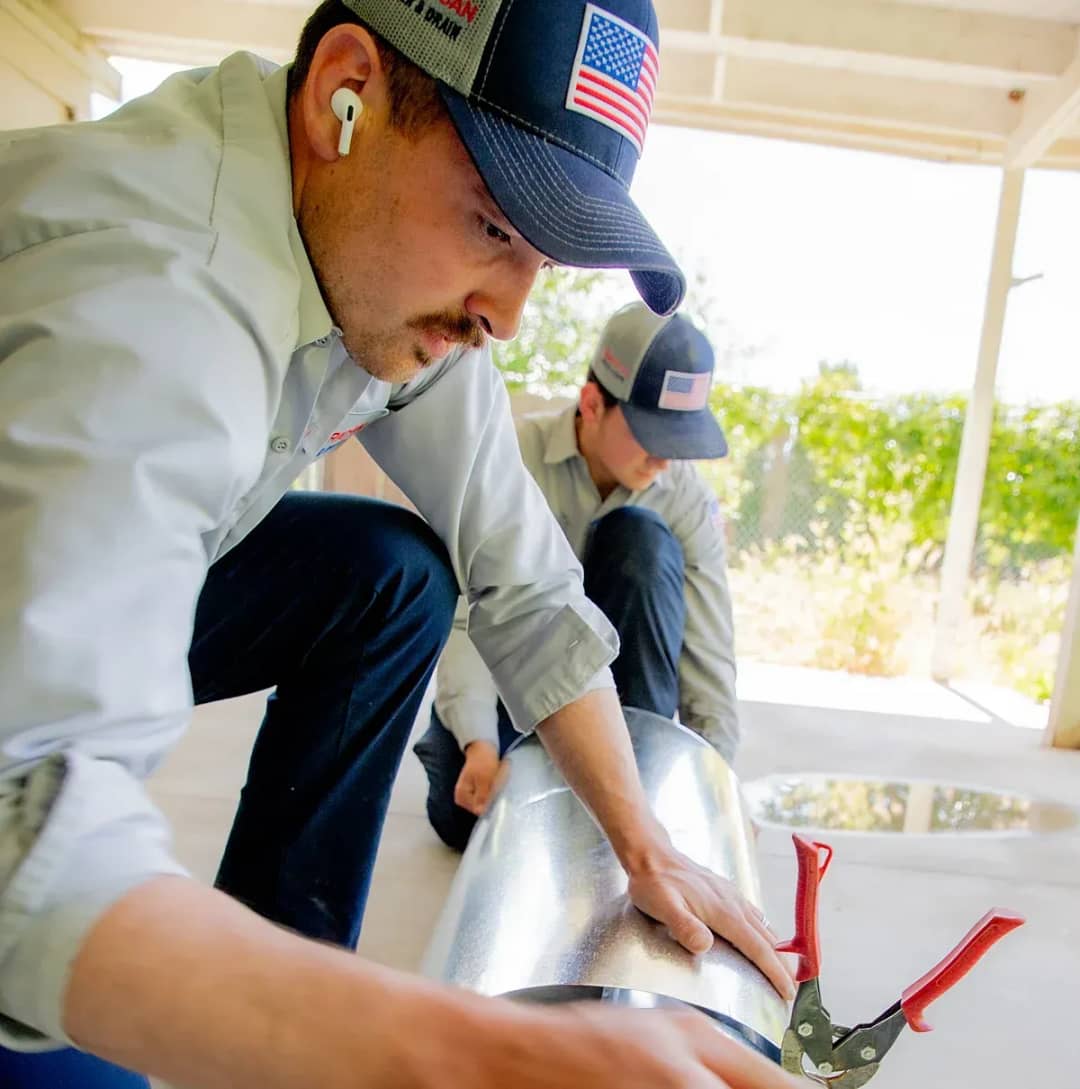
A technician works through a full inspection of the system, testing components, checking electrical connections and confirming everything is running the way it should for the season ahead. You'll get a straightforward rundown of the system's condition afterward, including anything worth watching or addressing soon, without pressure to fix things that don't actually need it yet. If something does need attention, we'll explain what it is and why before recommending any repair.
Backed by the American Rooter & Drain Family
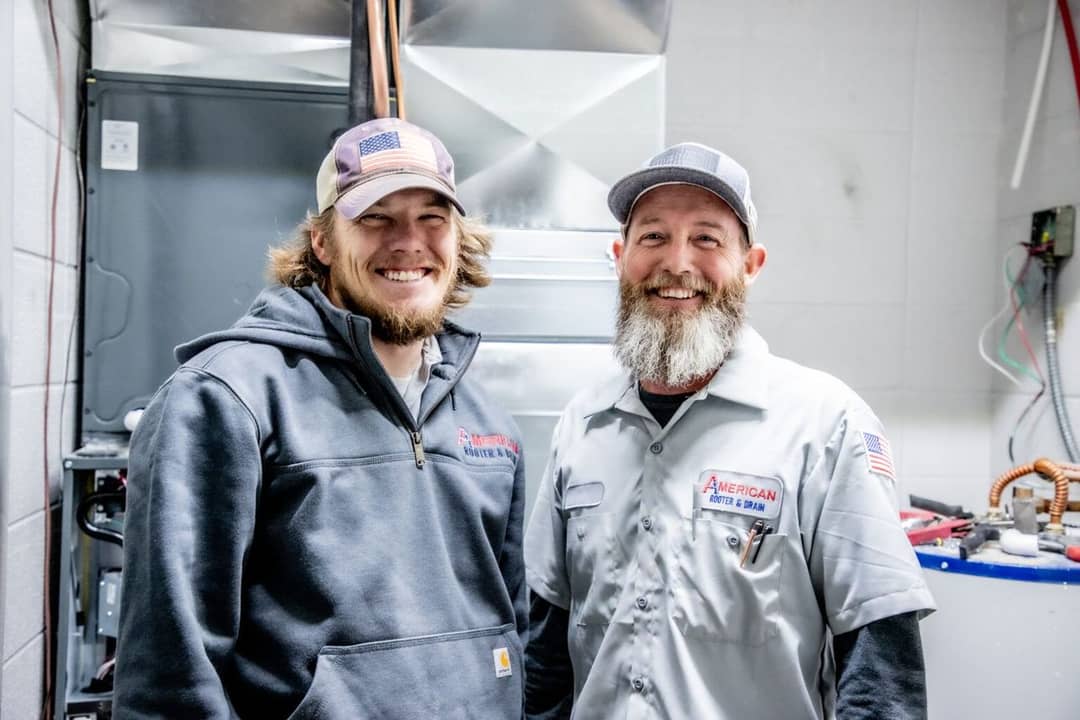
American Heating & Air is an Idaho DBA of American Rooter & Drain, a Treasure Valley plumbing company founded by a Marine veteran. Our maintenance visits follow the same honest, no-pressure standard the ARD name has built its reputation on: a straight assessment of your system and no upselling on work that isn't needed. American Heating & Air is licensed and insured in Idaho under HVAC Contractor License LIC# 029771, and we stand behind every tune-up we perform.
If the ducts themselves haven't been looked at in years, duct cleaning is worth asking about at the same visit — dusty ductwork can undo a lot of what a tune-up accomplishes.
Frequently Asked Questions
How often should I have my furnace and AC serviced?
Most manufacturers recommend servicing the furnace in fall before heating season and the AC in spring before cooling season, roughly once a year for each system.
What does an HVAC tune-up actually include?
It covers inspecting and cleaning key components, checking electrical connections and controls, testing the thermostat, and confirming the system is running the way it should for the season ahead.
Can maintenance really prevent a breakdown?
Regular maintenance can catch a lot of small issues, like a worn part or a control problem, before they turn into a system failure, though it can't guarantee a system will never fail.
Do I need maintenance if my system seems to be working fine?
A system can be working fine on the surface while a component is starting to wear down. A tune-up gives you a real look at the system's condition rather than just assuming everything is okay.
Is maintenance different for a heat pump than for a furnace and AC?
A heat pump maintenance visit checks the same core things, refrigerant, electrical connections and controls, but also includes the reversing valve and defrost cycle since the system handles both heating and cooling.
How do I schedule a maintenance visit?
Call American Heating & Air at 208-782-8267 and we'll get a visit scheduled.