Septic Tank Pumping, Priced by Tank Size
Septic Pumping Pricing by Tank Size
- 500 gallons or less: $100
- 1,000 gallons: $395
- Up to 1,500 gallons: $495
- Up to 2,000 gallons: $595
- $99 exposure fee if your septic lids sit deeper than 6 inches below grade
A septic tank needs to be pumped on a regular schedule to keep solids from building up and overwhelming your drain field. Skip a pumping and those solids can work their way into the drain field lines, turning a routine maintenance visit into a much bigger repair. Whether you're on a routine schedule or dealing with a tank that's overdue, our crews come prepared to get the job done cleanly and correctly.
What's Included at Every Tier
- Full tank inspection with a written condition report
- Lid access up to 6 inches deep, no extra charge
- No surprise fees beyond the $99 deep-lid exposure fee. The price we confirm on-site is the price you pay
The One Fee That Can Apply
- Lids buried deeper than 6 inches: $99 exposure fee
- We confirm your tank size and lid depth on-site before we start, so you know your exact price, and whether the exposure fee applies, before we touch anything
- Our guarantee: if you decide not to move forward after that on-site confirmation, you pay nothing
We're not trying to be the cheapest call you make. A price has to cover the truck, the insurance, the license, and the crew, and still leave enough to come back and make it right if something isn't — a warranty is only worth as much as the company still being around to honor it. What we confirm on-site, in writing, is what you pay.
What We Do
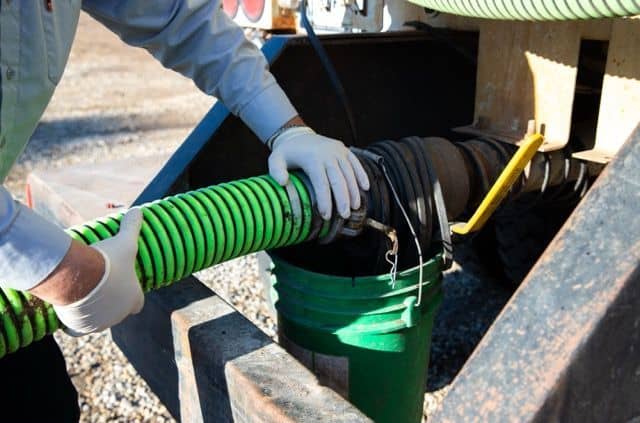
Our technicians locate your tank, open the access lid, and pump out the solids and sludge that settle at the bottom. We check the tank's baffles and its inlet and outlet pipes while we're there and let you know if we see anything that needs attention, since a pumping visit is often the first place a bigger problem gets caught early. If your tank has an effluent filter, we clean it as part of the visit so it keeps doing its job of protecting the drain field. When we're done, we secure the lid, note the tank's condition, and leave the area the way we found it.
Signs You Need Septic Pumping
- Slow drains throughout the house, especially in multiple fixtures at once
- Gurgling sounds in pipes or toilets
- Standing water or soggy, spongy spots near the drain field
- Sewage odor near the tank or drain field, indoors or outdoors
- It's been 3 to 4 years since your last pumping
- The tank was pumped before a home purchase but records are unclear
What to Expect
When you call, tell us your address and when the tank was last pumped, if you know. We'll schedule a visit and locate the tank if the lid isn't marked or is buried under grass or landscaping. Our crew brings the equipment needed to access, pump, and reseal the tank with minimal disruption to your yard. After pumping, we'll let you know the tank's condition, flag anything that looked off, and help you plan for the next pumping so you can stay ahead of backups. Same-day service is available for many pumping requests.
Service Area
American Septic & Sewer provides septic pumping at $395 flat for a 1,000-gallon tank, the size most Treasure Valley homes have, priced by size for other tanks, across Boise, Nampa, Caldwell, Meridian, Kuna, Star and the surrounding Treasure Valley, for homes and rural properties alike.
Why the ARD Family
American Septic is an Idaho DBA of American Rooter & Drain, a veteran-founded Treasure Valley plumbing company. Founder Joshua Jordan, a U.S. Marine Corps veteran, built the company on integrity and taking care of neighbors, and American Septic carries that same standard into every pumping job, from a routine visit to a tank that's been neglected for years. That means a straight answer about what your system needs and a crew that treats your property with respect.
Also listed on our parent company's main site as American Rooter & Drain: septic tank pumping pricing & coverage.
How Much Does Septic Pumping Cost?
For what drives the number, and typical timelines, see our septic pumping cost guide.
Septic tank cleaning
Septic tank cleaning and septic tank pumping are two names for the same visit. Our truck pumps out the tank's contents, both the liquid and the sludge that has settled on the bottom, and hauls it away for disposal. Some people call that cleaning and some call it pumping. If you searched for either one, this is the service, and every visit includes a look at the tank before we close the lid.