HVAC Installation Done Right
An HVAC system that's aging, undersized, or breaking down more often than it should is a real decision point for a homeowner. American Heating & Air installs new furnaces, air conditioners and full HVAC systems for homeowners throughout Boise, Meridian, Nampa, Caldwell, Eagle, Kuna, Star, Middleton, Garden City and the surrounding Treasure Valley. We start with an honest look at your current setup and your home before recommending equipment.
What Our HVAC Installation Service Includes
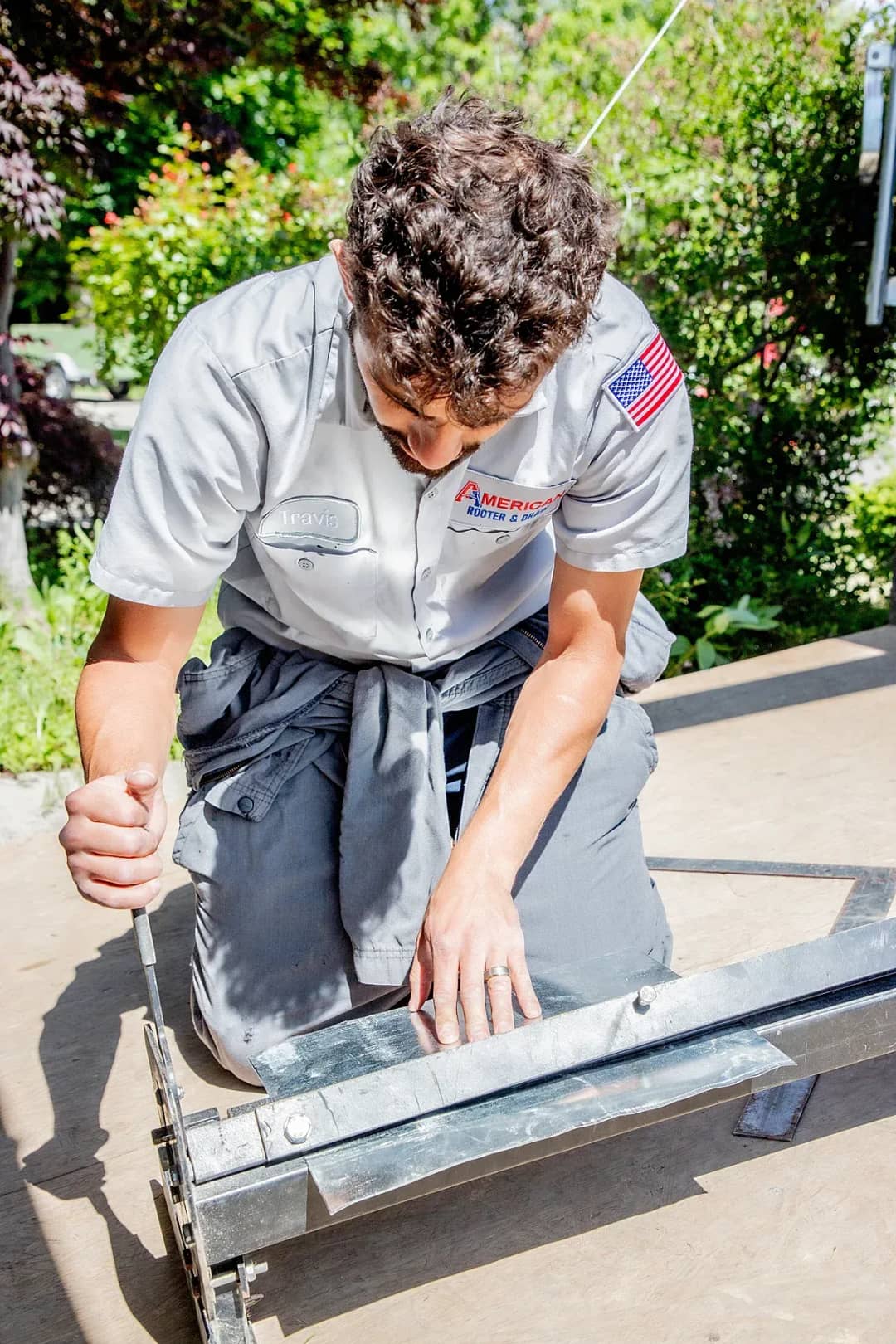
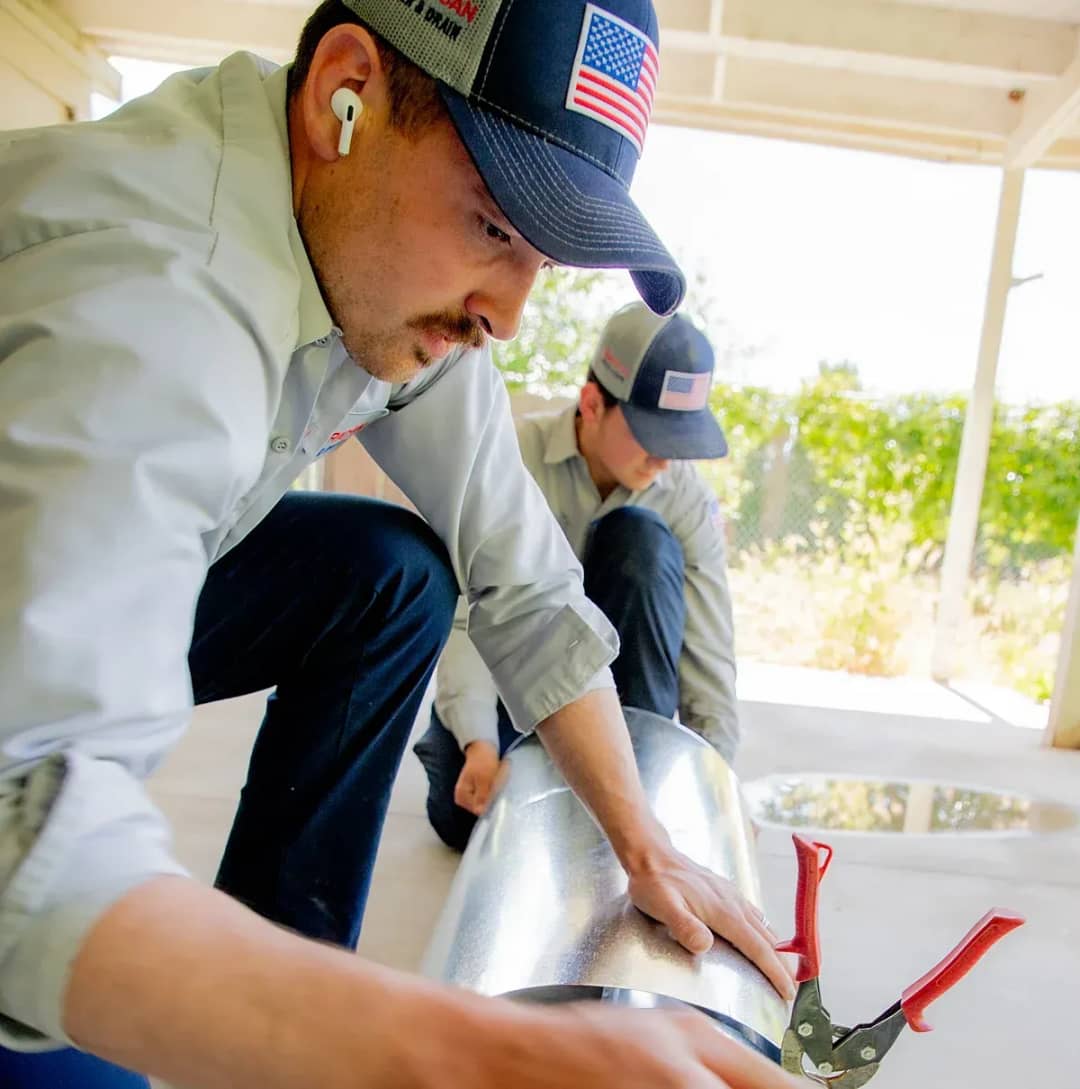
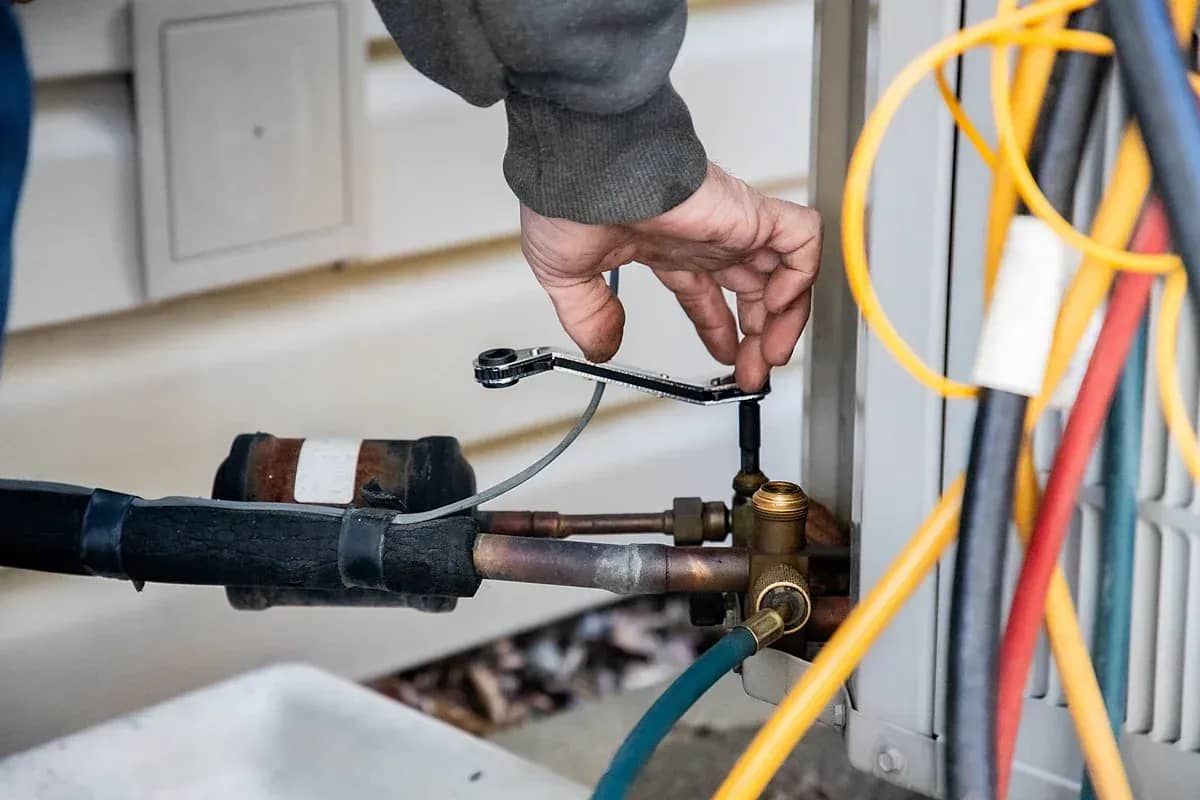
We install replacement furnaces and air conditioners, full system swaps when both units are original equipment, and new HVAC systems in homes that need them. That includes sizing the equipment to your home rather than just matching what's already there, connecting to your existing ductwork or identifying where it needs attention, and setting up the thermostat and controls so the system runs the way it's supposed to. We also haul away the old equipment and leave the work area clean when the installation is finished.
Signs You Need a New System
A furnace or AC nearing the end of its expected lifespan, a system that needs repair calls more often each year, uneven heating or cooling between rooms, rising energy bills tied to an aging unit, or a system that was undersized for the home when it was first installed are all reasons homeowners look at installation instead of another repair. We'll give you a straight answer about whether repair or replacement makes more sense for your situation, including what a replacement would involve and roughly what to expect before you commit to anything.
What to Expect on the Visit
For an installation, a technician first evaluates your current system, your home's layout and your heating and cooling needs. You'll get a clear explanation of the equipment options that fit your home, before any work is scheduled, along with what the installation itself involves. Installation timelines depend on the scope of the job, and we'll walk you through what to expect before the crew arrives.
Backed by the American Rooter & Drain Family
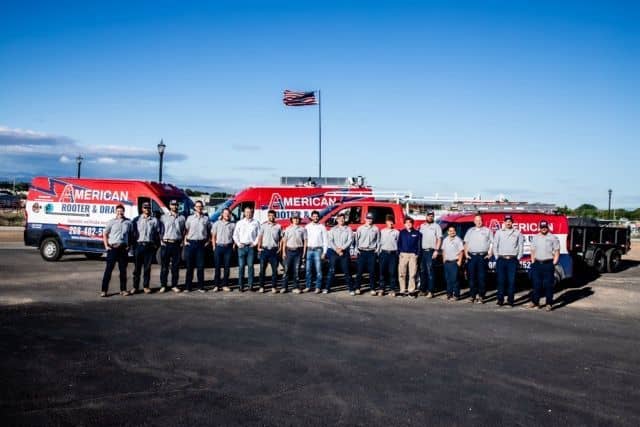
American Heating & Air is an Idaho DBA of American Rooter & Drain, a Treasure Valley plumbing company founded by a Marine veteran. That family holds itself to a standard of licensed work and straight talk, and our HVAC installations follow the same standard. American Heating & Air is licensed and insured in Idaho under HVAC Contractor License LIC# 029771.
Still on the fence between repair and replacement? Start with our furnace repair or AC repair pages — if the fix is a simple one, that's often the cheaper and faster route.
Frequently Asked Questions
How do I know if I need a new furnace or AC instead of another repair?
It usually comes down to the age of the system, how often it's needed repairs recently, and whether the cost of fixing it again is close to the cost of replacing it. We'll look at your specific system and give you a straight recommendation.
How long does an HVAC installation take?
It depends on the scope of the job, whether it's a single unit replacement or a full system, and whether any ductwork needs work. We'll walk you through the expected timeline before the installation is scheduled.
Will a new system fit my existing ductwork?
In most cases yes, though we check the ductwork as part of the evaluation to make sure it can support the new equipment. If it needs attention, we'll let you know before installation begins.
Can you install a system that's a different size than what I have now?
Yes. We size new equipment to your home's actual heating and cooling needs rather than just matching the old unit, which can make a real difference in comfort and efficiency.
Do you install both furnaces and air conditioners?
Yes, we install furnaces, air conditioners and full HVAC systems for homes throughout the Treasure Valley.
How do I get a look at my options before deciding?
Call American Heating & Air at 208-782-8267 and we'll schedule a visit to evaluate your current system and walk through what makes sense for your home.