Heat Pump Services for Idaho Homes
Heat pumps handle both heating and cooling from a single system, which makes them a common choice for Treasure Valley homes. American Heating & Air repairs, installs and maintains heat pump systems for homeowners throughout Boise, Meridian, Nampa, Caldwell, Eagle, Kuna, Star, Middleton, Garden City and the surrounding area. Because a heat pump works differently than a standard furnace and AC setup, diagnosing it correctly matters, and that's where we start.
What Our Heat Pump Service Includes
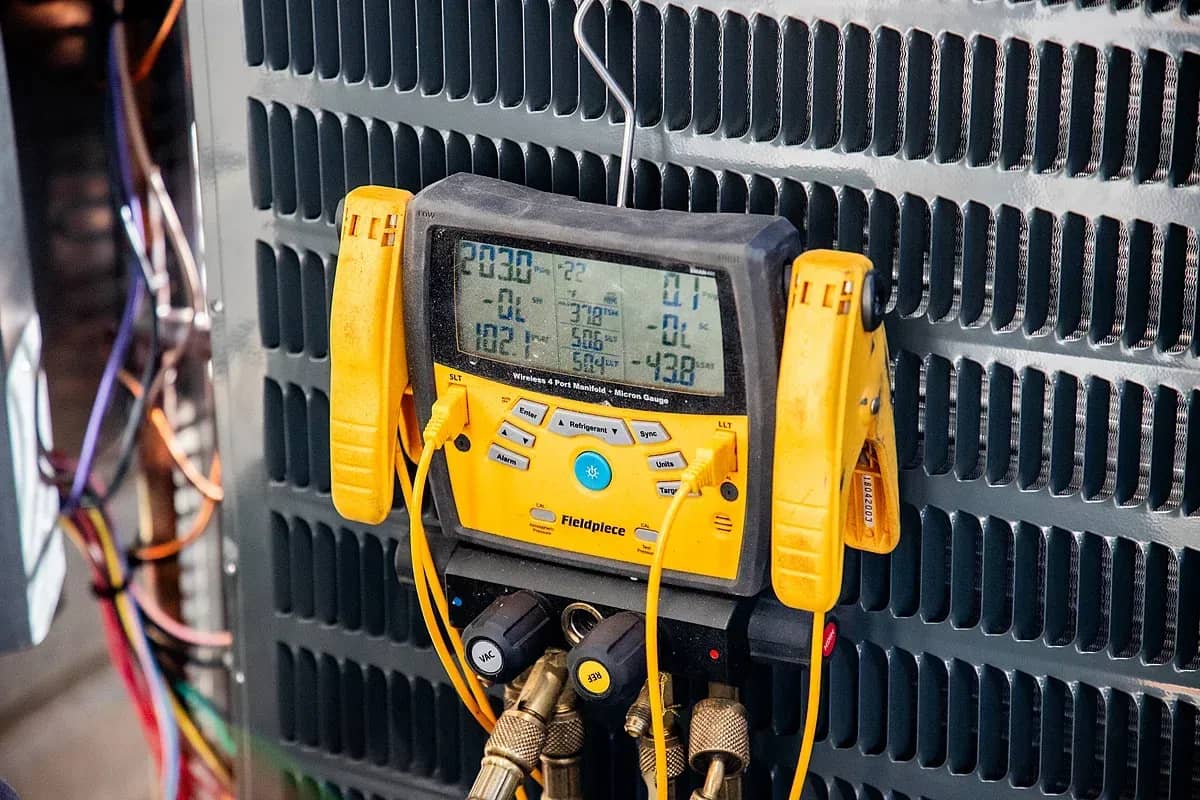
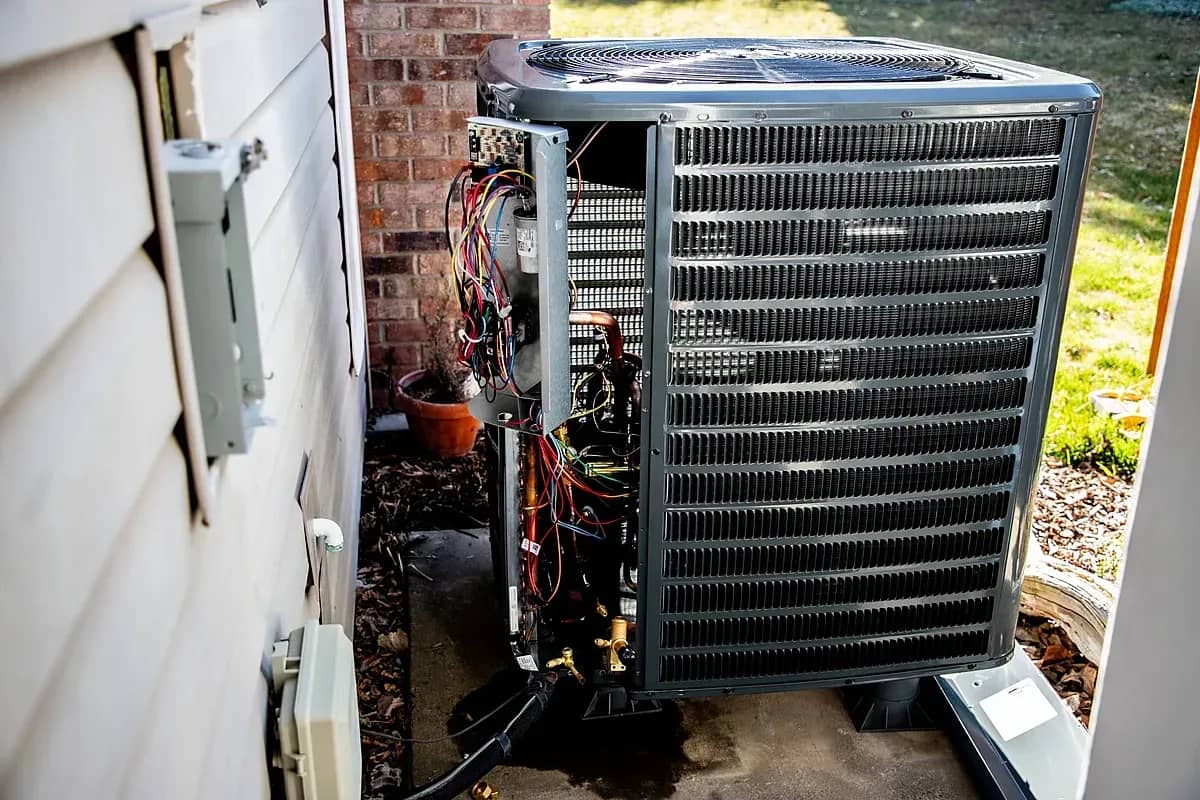
We troubleshoot heat pumps that aren't heating or cooling properly, refrigerant issues, defrost cycle problems, thermostat and control faults, and outdoor unit issues like frozen coils or fan motor failures. We also install new heat pump systems and replacement units, and provide seasonal maintenance to keep an existing system running the way it should through both summer and winter. Because the same equipment handles both jobs, we check both the heating and cooling sides of the system even when you're only calling about one of them, since a fault in one mode can point to a problem that will show up in the other later.
Signs Your Heat Pump Needs Attention
Watch for a heat pump that's blowing air that feels cooler than expected during heating mode, a system that runs constantly without keeping up, ice building up on the outdoor unit that doesn't clear during the normal defrost cycle, unusual noises from the outdoor unit, or higher than expected energy bills. Because a heat pump does double duty, a problem can show up as a heating issue in winter and a cooling issue in summer.
What to Expect on the Visit
A technician inspects both the indoor and outdoor components, checks refrigerant levels and airflow, and tests the system in the mode it's having trouble with. You'll get a plain explanation of what's going on and what it will take to fix before any repair work begins. For installations, we evaluate your home's heating and cooling needs, along with your existing ductwork and electrical setup, before recommending equipment sized for your home rather than a one-size-fits-all unit.
Backed by the American Rooter & Drain Family
American Heating & Air is an Idaho DBA of American Rooter & Drain, a Treasure Valley plumbing company founded by a Marine veteran. Our heat pump work carries the same licensed, straightforward standard the ARD name is built on. American Heating & Air is licensed and insured in Idaho under HVAC Contractor License LIC# 029771.
Not sure yet whether your system is a heat pump or a standard furnace-and-AC setup? Our furnace repair and AC repair teams see the same symptoms and can tell you which one you have before any work starts.
Frequently Asked Questions
How is a heat pump different from a furnace?
A heat pump moves heat rather than generating it, and it can run in reverse to provide both heating and cooling from one system. A furnace only heats. That difference affects how each one is diagnosed and repaired.
Why does my heat pump blow air that feels cool in winter?
Heat pump air in heating mode is often cooler than furnace air even when it's working correctly, but if the house isn't warming up, it could point to a refrigerant issue or a problem with the system's heating cycle.
Why is there ice on my heat pump's outdoor unit?
Some frost during a normal defrost cycle is expected, but ice that doesn't clear can point to a refrigerant, airflow or defrost control issue worth having checked.
Can a heat pump handle Idaho winters?
Many Treasure Valley homes run heat pumps successfully, though the right system and setup for your home is worth discussing with a technician before installation.
How often should a heat pump be serviced?
Because a heat pump runs year-round for both heating and cooling, an annual tune-up helps catch issues before they turn into a breakdown in either season.
Do you install heat pumps as well as repair them?
Yes, we install new heat pump systems and replacement units in addition to repair and maintenance service.