
Ductless Mini-Split Services We Handle
- Single-zone and multi-zone ductless system installation
- BTU sizing and load calculations for each zone
- Installation for additions, garages, and rooms without existing ductwork
- Ongoing maintenance and filter service
- Repair diagnostics for existing ductless systems
When a Repair Won't Cut It
A ductless system that's short-cycling, losing refrigerant, or throwing repeated error codes on the indoor head is often past the point where a repair is the better investment, particularly if the unit is older or the same component has already failed once. As with any HVAC equipment, age and repair frequency are the two things worth weighing together — a five-year-old unit with a single failed part is a repair; a twelve-year-old unit on its third service call in a year is usually a replacement conversation.
How a Ductless Mini-Split Works
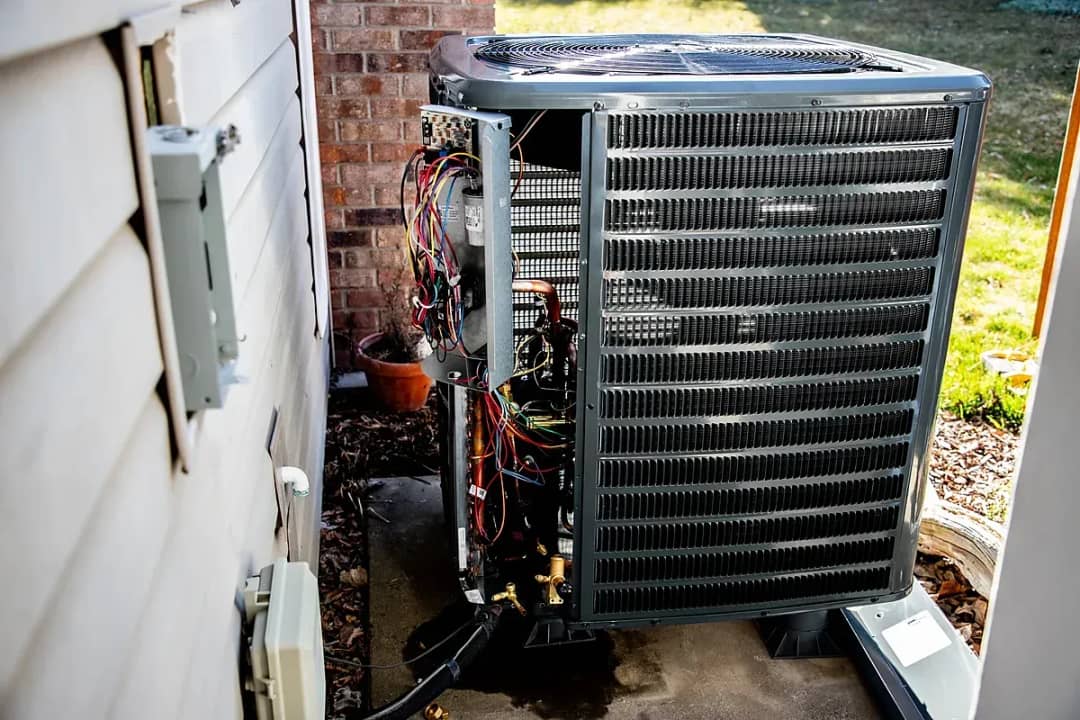
A mini-split has two main parts: an outdoor unit housing the compressor and condenser, and one or more indoor air handlers mounted in the rooms being conditioned. Refrigerant lines connect them through a small hole in the wall — no ductwork required. In cooling mode, the system pulls heat out of the indoor air and moves it outside; in heating mode, on heat-pump models, it reverses and pulls heat from the outdoor air into the house. Each indoor unit runs its own zone, so you're not conditioning empty rooms to keep one room comfortable.
Why Homeowners Choose Ductless
- No ductwork losses — air is delivered directly to the room instead of traveling through ducts that leak or radiate heat along the way
- Zone-by-zone control, so unused rooms don't get heated or cooled unnecessarily
- Installation without the cost or disruption of adding ductwork to an older home or addition
- Quieter operation than a lot of window units or older central systems
Sizing and Placement
Every mini-split installation starts with a load calculation in BTUs for the specific space — undersizing leaves a room that never quite gets comfortable, and oversizing causes short-cycling that hurts both comfort and efficiency. Indoor unit placement matters too: it needs clear airflow into the room, and the outdoor unit does best out of direct afternoon sun where it isn't fighting extra heat load. We walk the space with you before we mount anything.
Signs Your Ductless System Needs Service
- Unusual noise from either the indoor or outdoor unit
- Reduced airflow from the indoor head
- Inconsistent temperatures between zones that used to match
- The system short-cycling — turning on and off more than it should
- A jump in energy bills without a change in how you're running it
Where Ductless Systems Make the Most Sense
Ductless installs are the right fit in a handful of common situations: a room addition where running new ductwork back to the main system isn't practical, a garage or bonus room converted to living space, an older home with no ductwork at all relying on wall or baseboard heat, or a house where one or two rooms are chronically uncomfortable even though the rest of the home is fine. In each case, extending the existing central system usually costs more and performs worse than a dedicated ductless zone built for that specific space.
Heat Pump Performance in Cold Weather
Many ductless systems are heat pumps, meaning the same unit heats in winter and cools in summer by reversing the refrigerant cycle. Older heat pump technology lost efficiency fast as outdoor temperatures dropped, but current cold-climate mini-split models are built to keep producing heat well below freezing. That makes them a legitimate primary heat source for a converted garage or addition here in the Treasure Valley, not just a summer cooling add-on — though we'll talk through backup heat options with you if the space has specific needs a heat pump alone won't cover.
Single-Zone vs. Multi-Zone Systems
A single-zone system pairs one outdoor unit with one indoor head, which is the straightforward setup for a single room or addition. A multi-zone system runs multiple indoor heads — different rooms, different floors — off one outdoor unit, with each zone controlled independently. Multi-zone costs more upfront than adding single-zone units room by room, but it means one outdoor unit instead of several, which matters if you're limited on exterior space or want to keep the outside of the house from collecting equipment.
Keeping a Ductless System Running Well
Ductless maintenance is lighter than a central system's but not optional. Indoor filters should be cleaned or replaced roughly monthly, more often if the room sees heavy use or pet traffic, since a clogged filter on a ductless head restricts airflow just like it would on a furnace. The outdoor unit needs clearance from leaves, snow, and yard debris so it can pull and exhaust air freely, and an annual professional check catches refrigerant or electrical issues before they turn into a no-heat or no-cool call in the middle of the season you need it most.
Treasure Valley Ductless Installation
We install and service ductless mini-split systems across Caldwell, Boise, Meridian, Nampa, and the rest of the Treasure Valley from our shop on Commercial Way in Caldwell.
Call (208) 782-8267 and a real person answers — no phone tree, no call center. Family-owned, veteran-owned, and Treasure Valley-based since day one.
Frequently asked questions
What is a ductless mini-split system?
A ductless mini-split system is an innovative HVAC solution that allows for efficient heating and cooling without the need for traditional ductwork. It uses individual indoor air handlers connected to an outdoor unit instead of distributing air through ducts.
How does a ductless mini-split heat and cool a space?
The outdoor unit houses the compressor and condenser, while the indoor unit contains the evaporator. During cooling, the system extracts heat from the indoor air and transfers it outside. During heating, the heat pump mechanism reverses this flow, extracting heat from the outside air and transferring it indoors.
What are the benefits of ductless mini-split installation?
Ductless mini-split systems offer energy efficiency and cost savings, improved indoor air quality since there is no ductwork to accumulate dust and allergens, and flexibility to install multiple indoor units connected to one outdoor unit for customized zone heating and cooling.
What does the ductless mini-split installation process involve?
Installation starts with a site assessment to determine the best locations for the indoor and outdoor units. A technician then drills a small hole in the wall for the refrigerant lines and electrical wiring, mounts the indoor unit, installs the outdoor unit on a concrete pad or wall bracket, connects the refrigerant lines and power supply, and tests the system's operation.
What are signs that a ductless mini-split system needs repair?
Common signs include unusual noises, reduced airflow, inconsistent temperatures between zones, the system frequently cycling on and off, or an unexpected rise in energy bills.