Plumbing is the backbone of every bathroom. It determines where your fixtures can go, how well your shower performs, whether your new freestanding tub fills fast enough to actually enjoy, and whether those freshly tiled walls stay pristine for years or quietly develop moisture problems behind the scenes. Getting the plumbing right from the start is what separates a bathroom that looks good from one that works well and holds up over time.
Why Plumbing Should Be the First Conversation
It's tempting to kick off a bathroom remodel by browsing fixture showrooms — and drawing inspiration from what you love is perfectly reasonable. But before any design decisions are locked in, your existing plumbing infrastructure needs a honest look.
Older homes in the Treasure Valley and Eastern Oregon often have undersized, corroded, or awkwardly routed pipes that don't support modern bathroom demands. Water pressure may be too low for a quality shower system. Drainage may not be sized for a larger tub or walk-in shower.
Having a licensed plumber assess your system early prevents the expensive mid-renovation surprises that happen when walls are already open and tile has already been ordered.
Shower Upgrades: The Highest-Impact Improvement
For most homeowners, the shower is the most-used fixture in the bathroom. Upgrading it delivers the biggest return in daily enjoyment and long-term home value.
A plumbing-led shower upgrade might include:
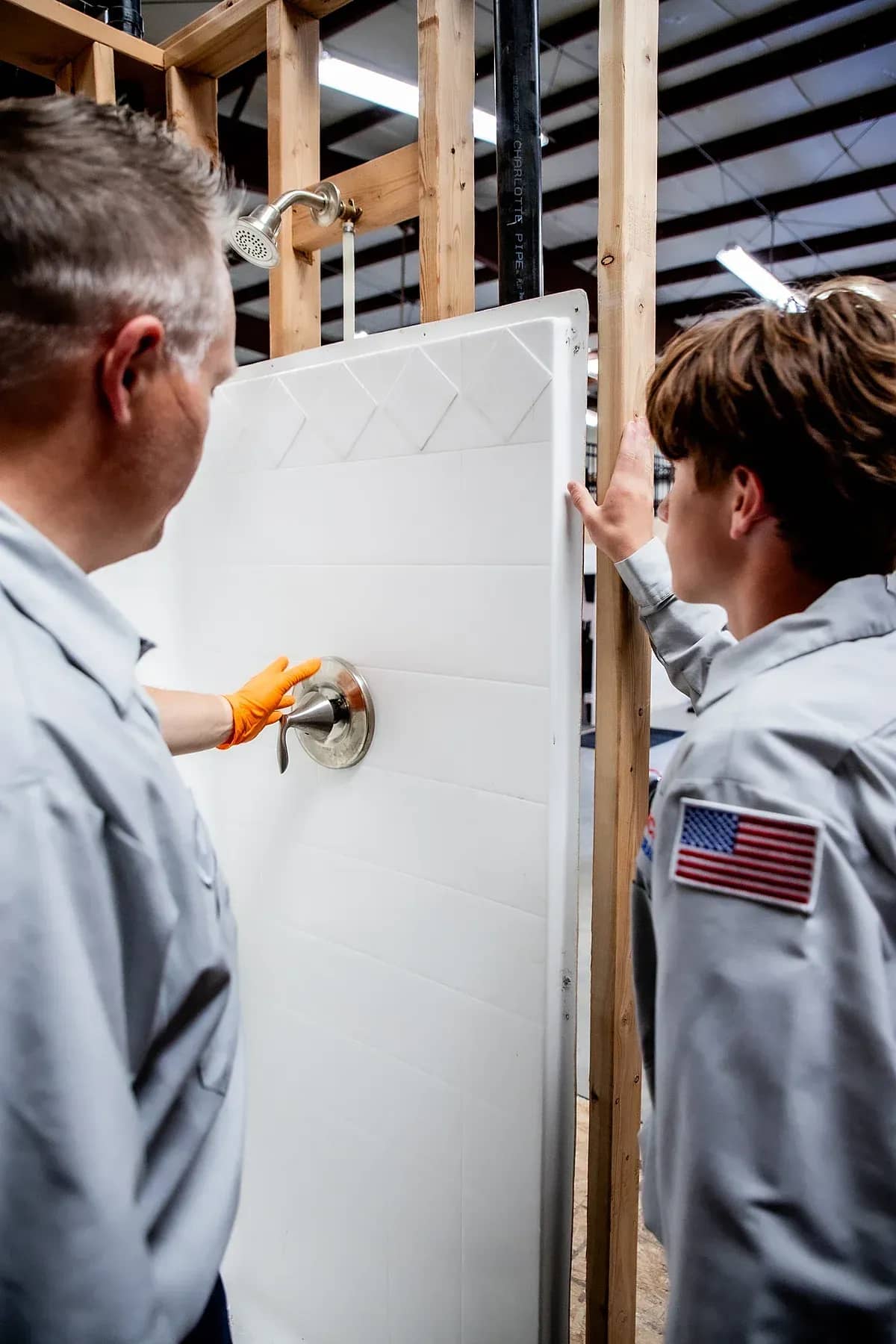
- Replacing an older electric or basic mixer shower with a thermostatic valve system
- Relocating the shower to a better position within the space
- Installing a rainfall or multi-function showerhead that requires adequate flow and pressure to perform as intended
Thermostatic valves are a standout upgrade. They hold a precise, consistent water temperature regardless of what else is running in the house — no more cold shocks when someone flushes a toilet or runs the kitchen sink. Installing them correctly requires careful pipework planning and a plumber who knows how to balance the system.
Walk-in showers and wet rooms are also increasingly popular. These require precise drainage placement, proper floor gradients, and thorough waterproofing — all work that needs to happen before a single tile goes up.
Freestanding Baths and Soaker Tubs
A freestanding tub makes a strong design statement, but it's not as simple as setting it in place and hooking it up.
These tubs typically use floor-mounted faucets with exposed supply lines, which means the plumbing has to be roughed in and positioned correctly before the flooring goes down. Fill rate matters too — a large soaker tub fed by weak water pressure is a frustrating experience.
A plumber can evaluate whether your water heater can handle the demand of a larger tub, and recommend solutions — such as upgrading to a larger tank or adding a dedicated hot water source — if it can't.
Basin and Vanity Upgrades
Replacing a basin and vanity may seem straightforward, but the plumbing details still matter.
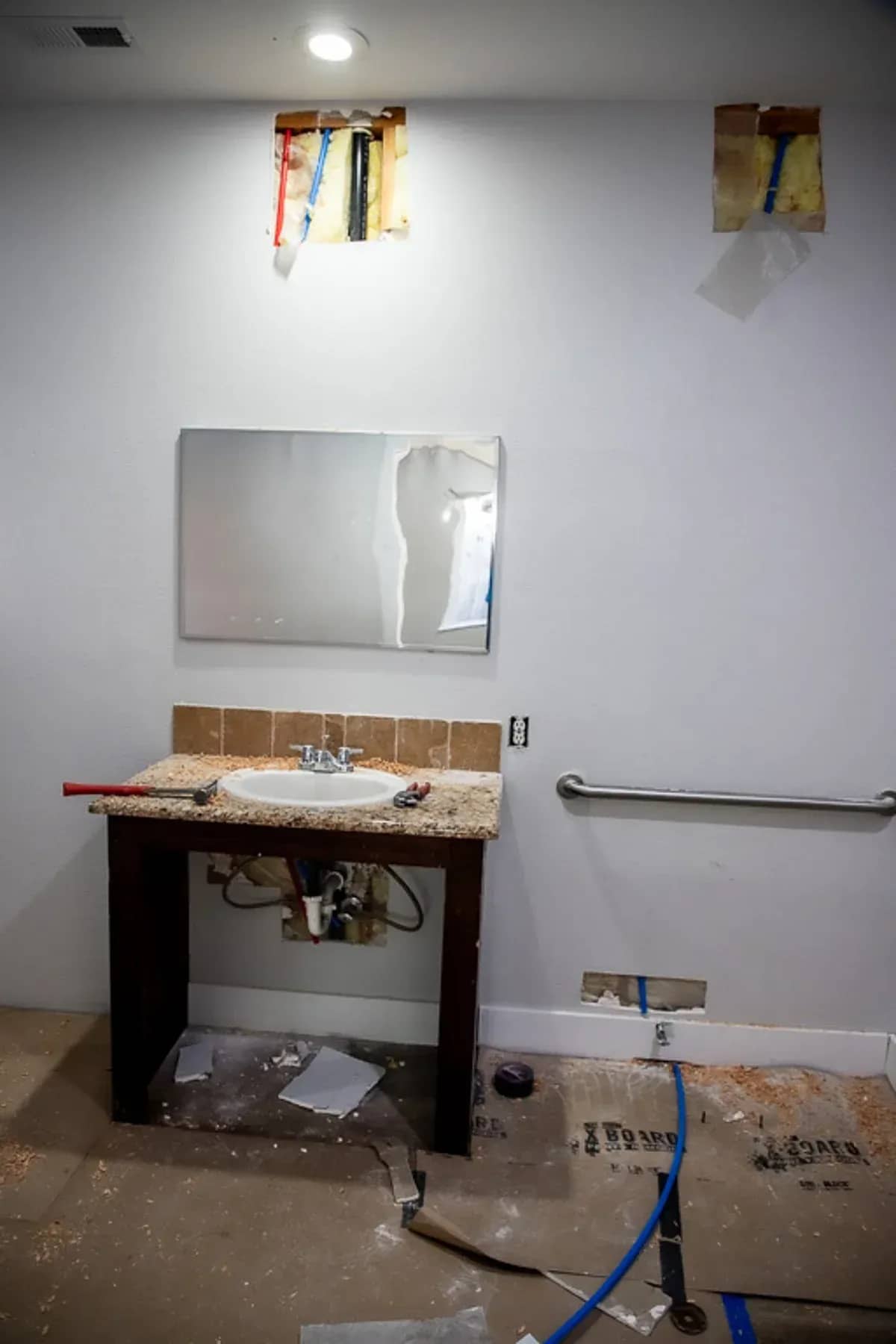
- Wall-hung basins and concealed vanity plumbing create a cleaner look but require supply and waste lines to be precisely positioned inside the wall before it's tiled.
- Countertop basins sit on top of the vanity surface and need the faucet and drain routed accordingly.
Getting these details right at the rough-in stage means the finished product looks intentional — not like a retrofit.
Improving Water Pressure and Flow
Low or inconsistent water pressure is one of the most commonly accepted — and most fixable — bathroom problems. Many homeowners don't realize how much better their fixtures could perform with the right plumbing intervention.
A plumber can identify whether low pressure originates at the meter, the water heater, aging pipework, or a combination of factors, then recommend targeted solutions. In some cases a booster pump does the job. In others, replacing outdated pipe layouts makes a meaningful difference.
Improving pressure upgrades the performance of every fixture in the bathroom — and it's often one of the best-value improvements relative to its cost.
Heated Towel Rails and Radiant Floor Heating
No bathroom remodel is complete without thinking about warmth and comfort.
- Heated towel rails connected to your home's hydronic heating system require a plumber to tie them into existing pipework, bleed and balance them with the rest of the system, and confirm they run efficiently.
- Radiant floor heating — whether water-based or electric — needs to be planned around your floor construction and installed before new flooring is laid.
Both upgrades have moved from luxury to expectation in many Treasure Valley homes, and for good reason.
Common Questions
Do I need a plumber before I start designing my bathroom?
Ideally, yes. A plumber can tell you what your existing system can support, what upgrades are needed, and what's realistic within your budget — before you've committed to a layout or ordered materials.
Can I move my toilet to a different location?
Yes, but it involves rerouting the drain line, which is significant work. It's absolutely doable with a professional, and worth discussing early so it's factored into the project scope.
How do I know if my water pressure can support a new shower?
A plumber can run a simple pressure test and give you a clear answer. If pressure is insufficient, there are several options to address it depending on the root cause.
How long does a bathroom plumbing upgrade take?
A fixture swap might take a day. A full renovation involving new drain lines, rerouted supply pipes, and heating work can take several days. Your plumber can give you a realistic timeline once the scope is defined.
Ready to start your bathroom upgrade on the right foot? Call American Rooter & Drain at (208) 366-5771 or book online to schedule a consultation with our team. We serve the Treasure Valley and Eastern Oregon and will help you plan a bathroom that looks great and works the way it should.