Gas Line Services We Handle
- New gas line installation for stoves, ranges, dryers, fireplaces, and outdoor fixtures like fire pits and grills
- Gas line repair for leaks, damaged sections, and corroded fittings
- Full gas line replacement when an aging system is beyond a patch repair
- Gas pipe material selection — steel, copper, or polyethylene sized to the appliance and run
- Pressure testing after every new install or repair
- Emergency response for suspected leaks
Beyond those core jobs, the calls we get most often are a new line for a kitchen range, a dryer hookup, a water heater or furnace connection, a backyard BBQ or fire pit, a standby generator, a pool heater, and a line out to a detached shop or garage. Each one is sized and routed for the specific appliance, not copied from the last job.
Signs of a Gas Leak
- A distinct sulfur or rotten-egg smell near a gas line or appliance
- Hissing or whistling sounds near pipes or fittings
- Dead or dying vegetation in an otherwise healthy patch of yard, especially along a buried line's path
- A gas bill that's climbed with no real change in usage
- A pilot light that keeps going out for no clear reason
If you smell gas or hear hissing, leave the house immediately — don't flip switches, light anything, or try to find the leak yourself. That kind of situation is exactly what our emergency plumber service is built to handle, day or night. Call from outside once you're clear, or call emergency services if you can't get out safely.
Gas Leak Repair
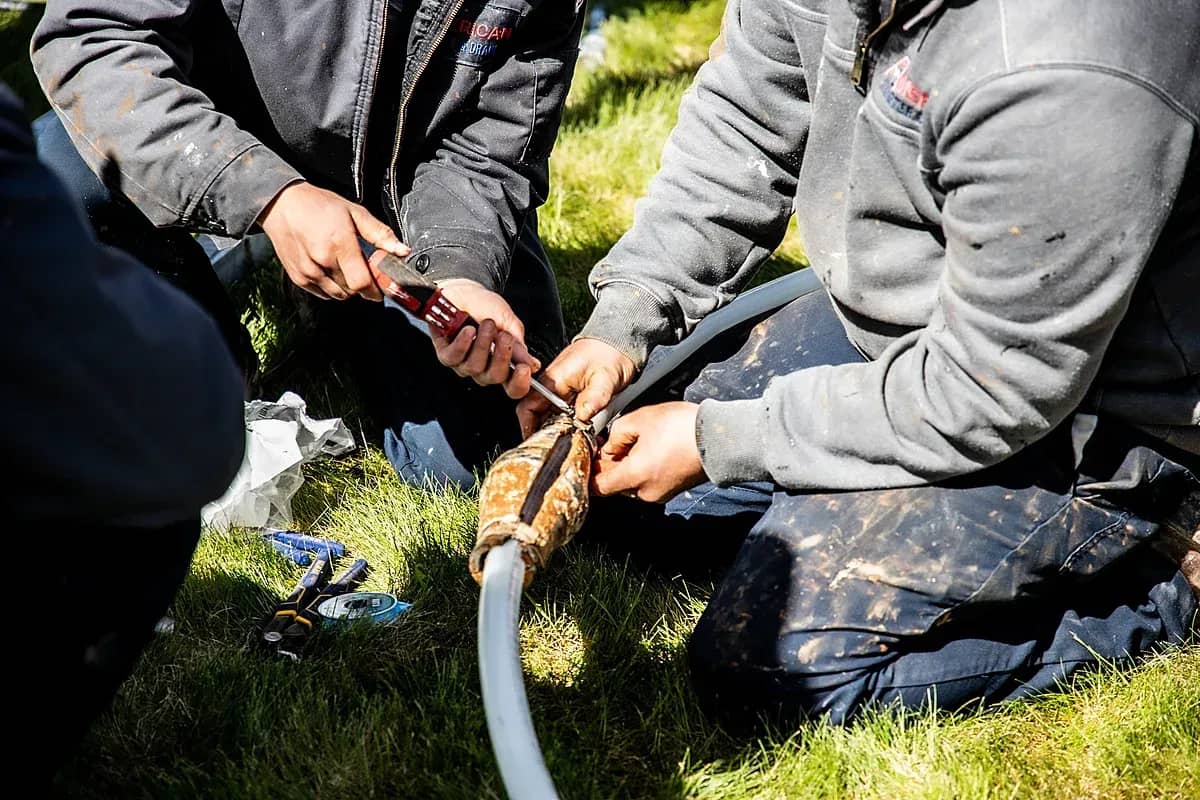
Once a leak is reported, the first job is making the property safe. After that, the work is finding where the gas is actually escaping and fixing that spot rather than guessing. Leaks tend to show up at threaded joints, at old fittings, at the connection behind an appliance, or along a buried section where the pipe has corroded or been disturbed. We locate the source, repair or replace the affected section, and pressure-test the line before it goes back into service. If the leak is a symptom of a whole system that has reached the end of its life, we tell you that plainly instead of selling you a string of small repairs.
Gas Line Repair or Replacement
Small, isolated damage — a corroded fitting, a line nicked during yard work — is usually a straightforward repair. A full system that's aging, or a line that's already needed more than one repair, points toward replacement instead of continuing to patch a system reaching the end of its service life. We walk the property, find where the problem actually is, and give you a straight answer rather than installing whatever's easiest for us.
Adding a Line for a New Appliance
Most gas appliance additions need their own dedicated line, sized and routed by a licensed plumber:
- A gas range or cooktop needs its own shutoff and a line sized to the appliance's BTU rating
- A gas dryer needs a line run to the laundry area with a flexible connector at the appliance
- A gas fireplace or insert typically needs its own line and an accessible shutoff valve
- Outdoor fixtures like fire pits and grills need a buried line rated for exterior use
We handle the line, the permit, and the pressure test for all of them.
Water heaters, furnaces, and pool heaters
Large appliances pull a lot of gas at once, so the line feeding them has to be sized for the total load on the system, not just the new appliance in isolation. When a water heater, furnace, or pool heater is added or replaced, we check whether the existing line can carry the combined demand. If the line is undersized, the fix is a properly sized run, not a smaller appliance. If your project is a water heater swap, our water heater page covers that side of the work.
Generators
A standby generator is another big gas draw, and it has to run at full output during an outage when other appliances may be running too. That makes correct sizing especially important. The gas connection is our part of the job, and the electrical side is handled separately — see our generator installation service for that.
Running a gas line to a detached shop or garage
A detached shop, garage, or outbuilding usually needs a buried line from the house or the meter. That run is typically polyethylene underground, transitioning to steel or another approved material where it rises out of the ground and enters the building. The route, depth, and length all affect the sizing, and a longer run may need a larger pipe to deliver enough gas to a heater at the far end. We plan the route around driveways, landscaping, and existing utilities, pull the permit, and pressure-test before anything is connected.
Converting an appliance from electric to gas
Switching a range, dryer, or water heater from electric to gas is a common upgrade, and it is more than swapping the appliance. It means running a new gas line to the location, adding a shutoff, making sure there is proper venting where the appliance requires it, and confirming the appliance itself is made for the fuel you have. We handle the gas piping, permit, and testing, and we will tell you up front if the location is a poor fit for gas so you aren't surprised mid-project.
Choosing the Right Pipe Material
- Steel is strong and durable, and it's the standard for exposed runs and sections code requires to be rigid.
- Copper is lightweight and corrosion-resistant, commonly used for interior runs to appliances.
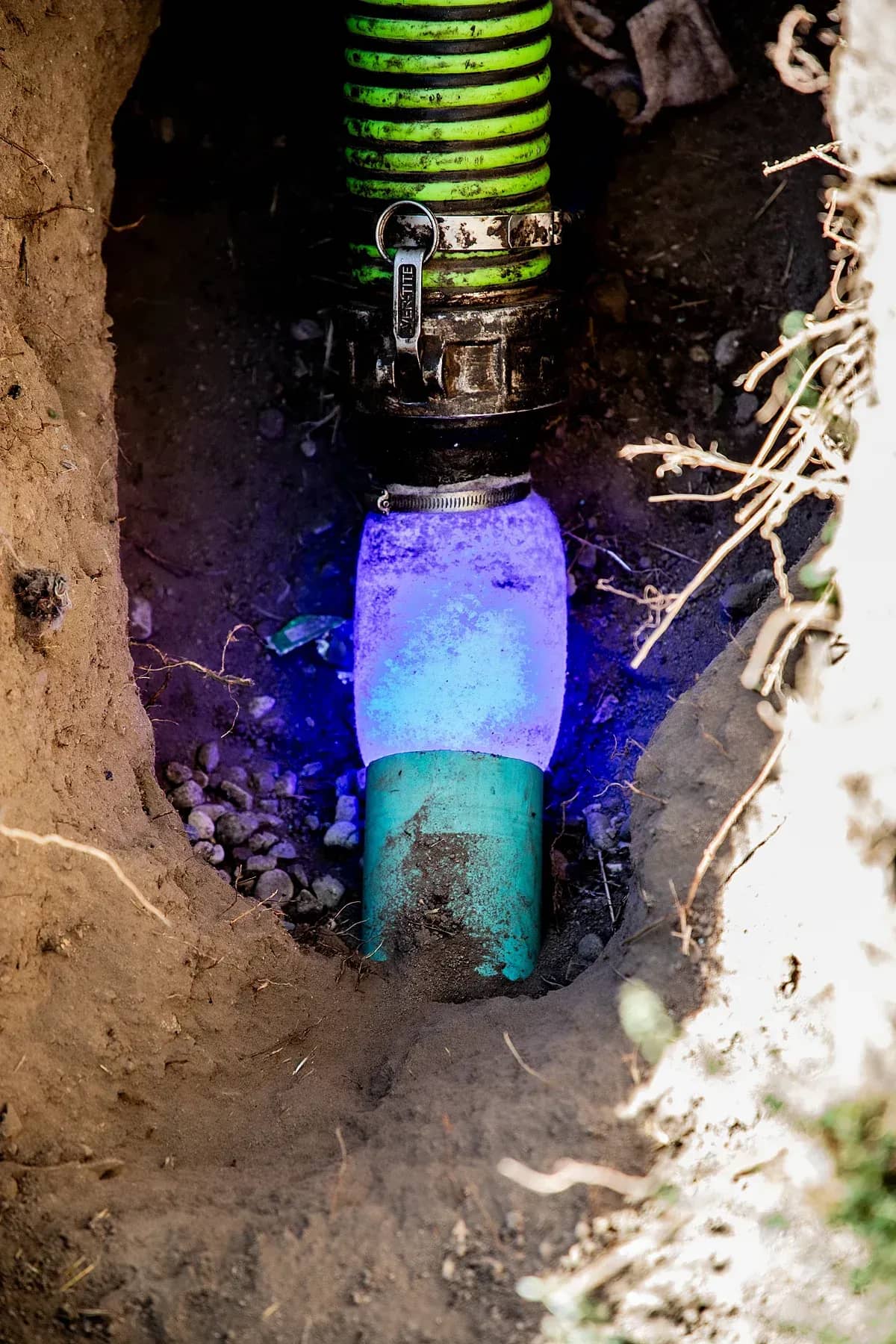
- Polyethylene (black poly) is flexible and holds up well against soil conditions, making it the standard for underground runs from the meter to the house.
We size and select material based on where the line runs and what it needs to hold up against — not a default we install on every job regardless of the situation.
What to Expect During Installation
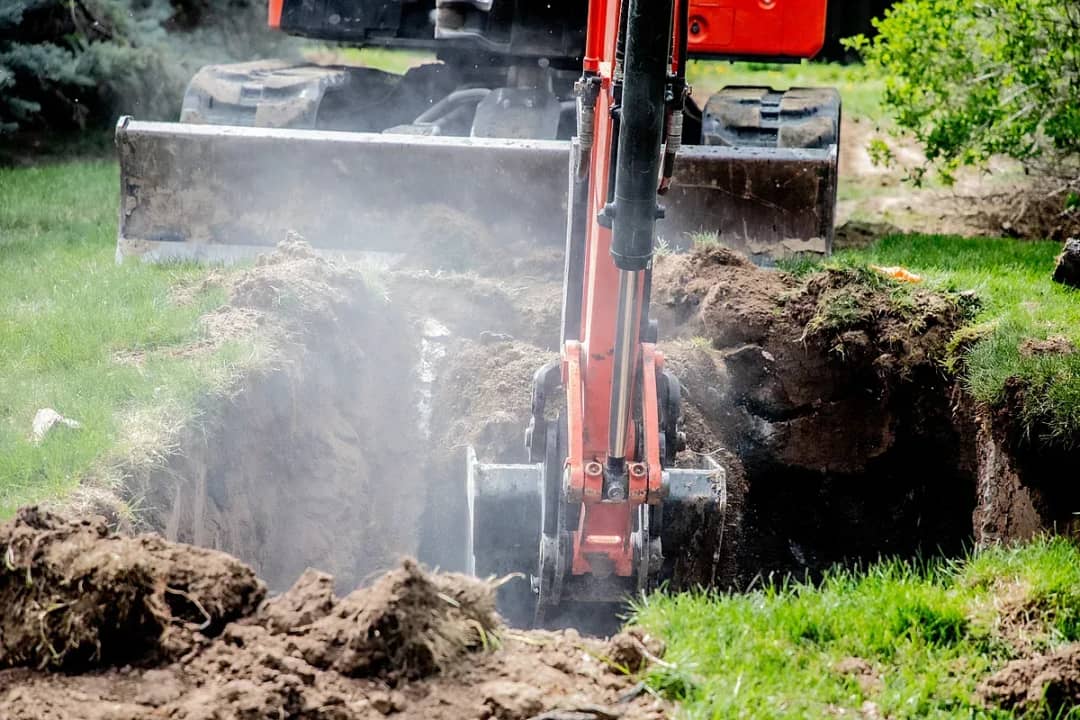
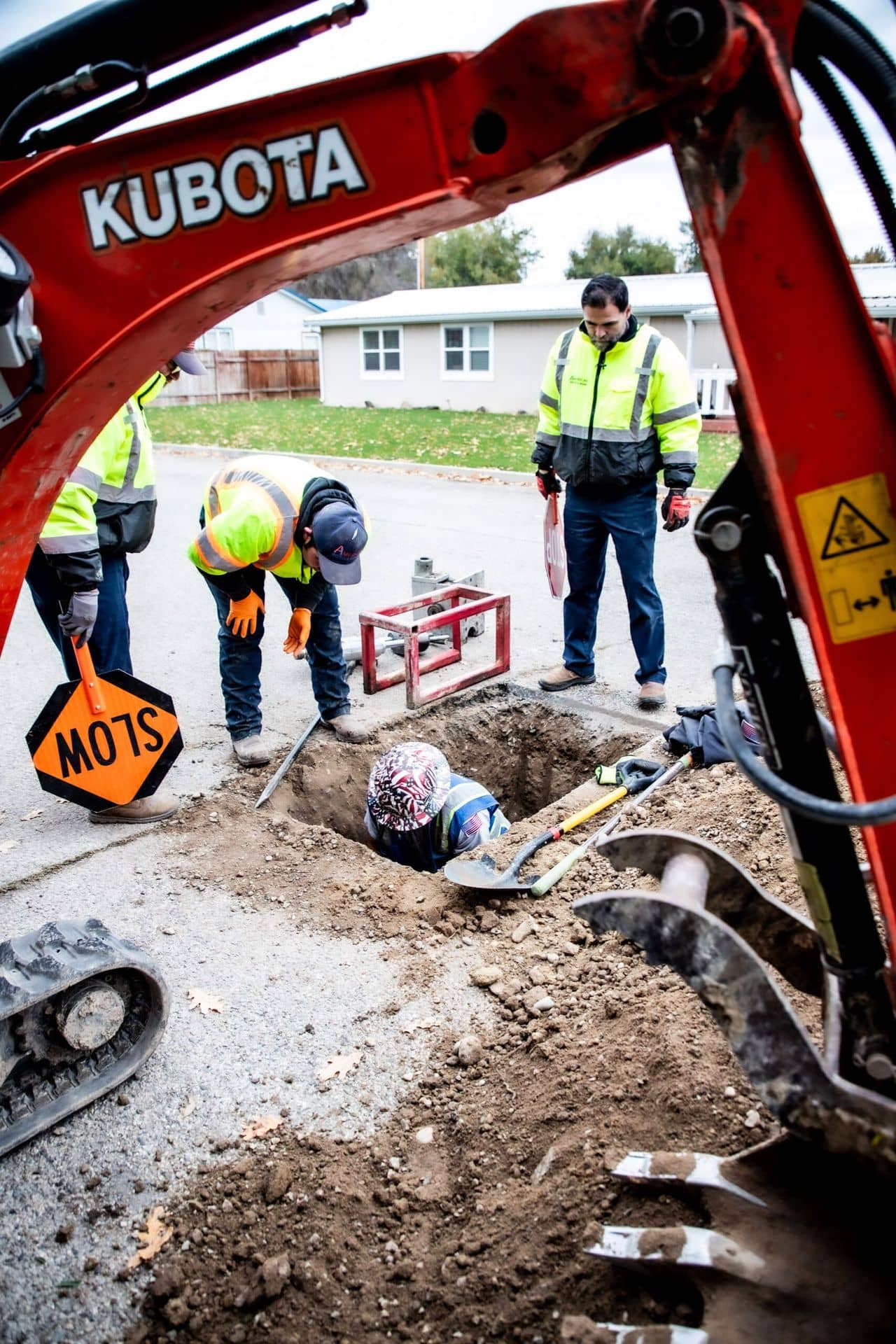
A technician walks the property first to plan the route, working around existing landscaping and utilities rather than through them. Permits get pulled before any digging starts. Once approved, we excavate for underground runs or route the line through the interior for appliance connections, then pressure-test the completed line before connecting it to anything. Before we leave, you'll know exactly where the new shutoff is and how the line is routed.
Pressure Testing, Permits, and Inspection
Idaho requires permits for gas line work, and for good reason — a line installed outside code is a safety risk, not just a paperwork problem. Gas work is permitted and inspected, which means a second set of eyes confirms the installation before it is put into everyday use. We pull the permits, install to code, and pressure-test every new line and repair before we sign off on it. That pressure test isn't optional or a formality — it's how we confirm the line holds before it's ever connected to an appliance and put into everyday use. For a plain-language walkthrough of the process, see our Idaho gas line permit guide.
Common Gas Line Problems We Fix
- Corroded fittings and joints on older systems, especially where dissimilar metals were connected without the right transition fitting
- Aging black iron pipe that's reached the end of its service life and needs replacement rather than another patch
- Buried lines damaged by tree roots or nicked during landscaping or excavation work
- DIY or unpermitted connections that don't meet current code and need to be brought up to standard
Natural Gas vs. Propane
The installation process is similar for both fuels, but propane runs at a higher pressure than natural gas and typically needs different regulators and fittings sized for the fuel, along with a sediment trap at many appliance connections. We confirm which fuel serves your property before sizing anything, so the appliance actually gets the pressure it's built to run on.
What Affects the Price of a Gas Line Job
Every gas line job is different, so we don't quote from a chart. The main things that move the price are the length and route of the run, whether it is buried or inside the house, the pipe material, how many appliances the line feeds and the total load, whether existing piping needs work, and the permit and testing involved. We give you a free on-site estimate, and you get a flat price in writing before any work starts.
Choosing a Gas Line Contractor
Licensing and insurance aren't negotiable when it comes to gas work — the consequences of a bad connection are severe enough that this isn't the place to save money on an unlicensed handyman. Ask how long a contractor has been doing gas line work specifically, not just general plumbing, and confirm they'll pull the required permit rather than skip it to save time. A contractor who's straightforward about the process and willing to explain what they're doing and why is usually the one worth hiring. While the crew is already on site for a gas line, it's also a good time to ask about a full plumbing inspection for the rest of the house, or to have us look at any other plumbing repair on your list.
Treasure Valley Gas Line Service
We install and repair gas lines across Caldwell, Boise, Meridian, Nampa, and the rest of the Treasure Valley from our shop on Commercial Way in Caldwell. Looking for gas line installation near you? Start with your city: Boise, Nampa, Caldwell, or Meridian.
Call (208) 366-5771 and a real person answers — no phone tree, no call center. Family-owned, veteran-owned, and Treasure Valley-based since day one. Same-day service when you call early, and emergency response for suspected leaks.