Pipe Repair & Replacement Services We Handle
- Trenchless pipe bursting and slip lining for damaged sewer and water lines
- Traditional excavation repair when trenchless isn't the right fit
- Full or partial repiping for aging galvanized or polybutylene systems
- Camera inspection to pinpoint the exact problem before we dig or line anything
- Water line and sewer line replacement
- Emergency repair for burst pipes and active leaks
Signs You Need Pipe Repair or Replacement
- Frequent or recurring leaks, especially from the same section of pipe
- Water pressure that's dropped gradually over weeks or months
- Discolored or rusty water coming from the tap
- A burst pipe or sudden flooding
- Drains or a sewer line that keep clogging no matter how often you clear them
- Visible corrosion, a pinhole leak, or a section of pipe that feels thin or soft to the touch
Trenchless vs. Traditional Pipe Repair
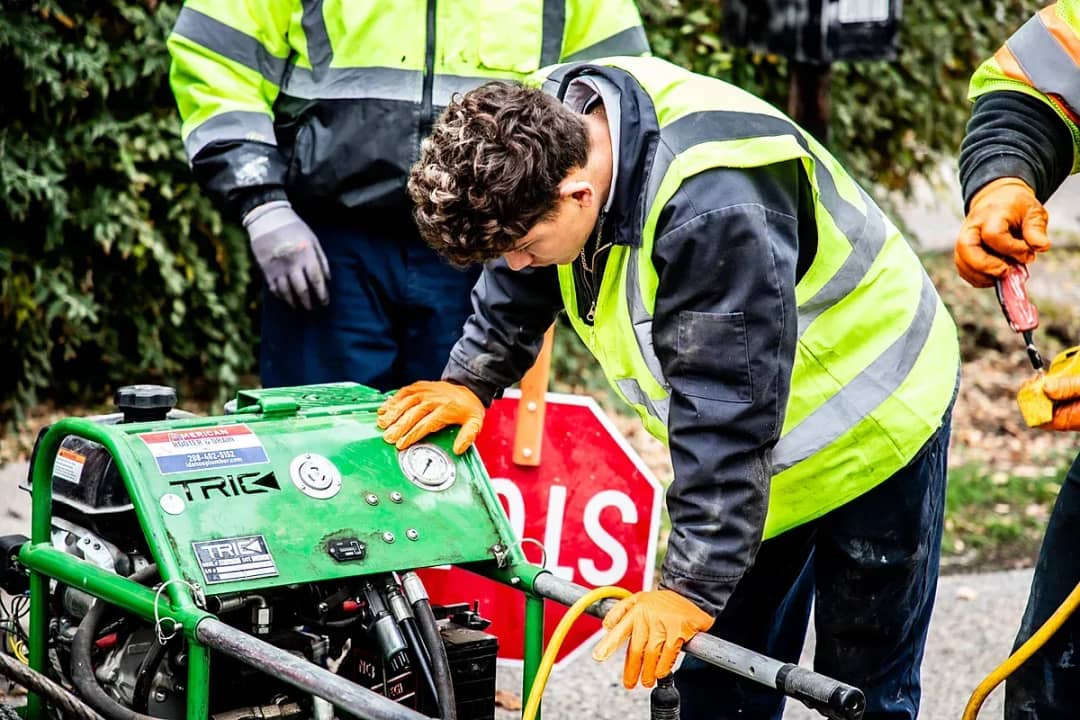
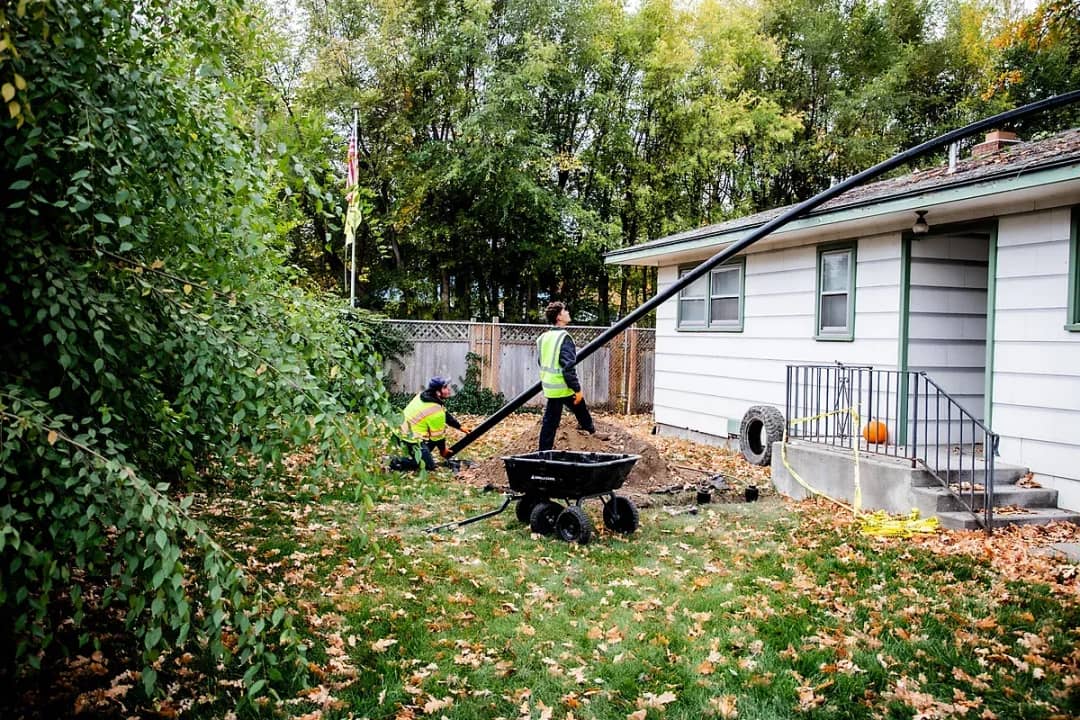
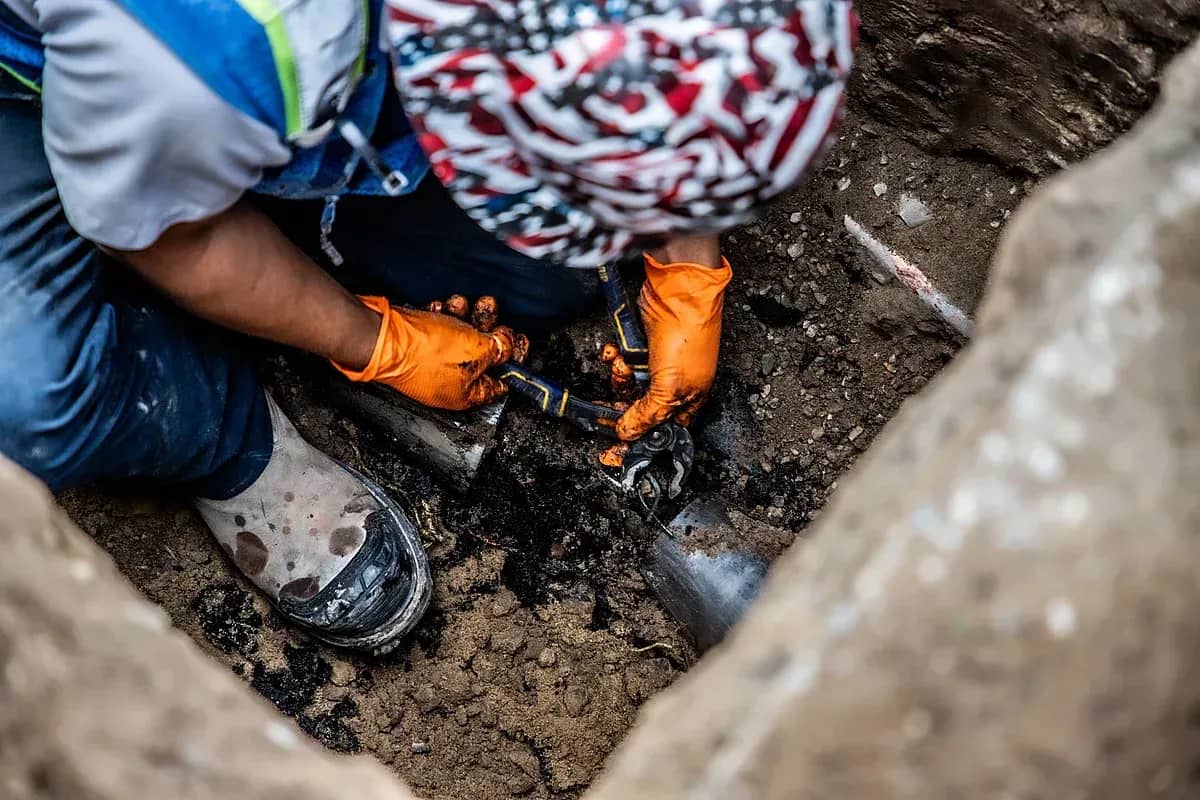
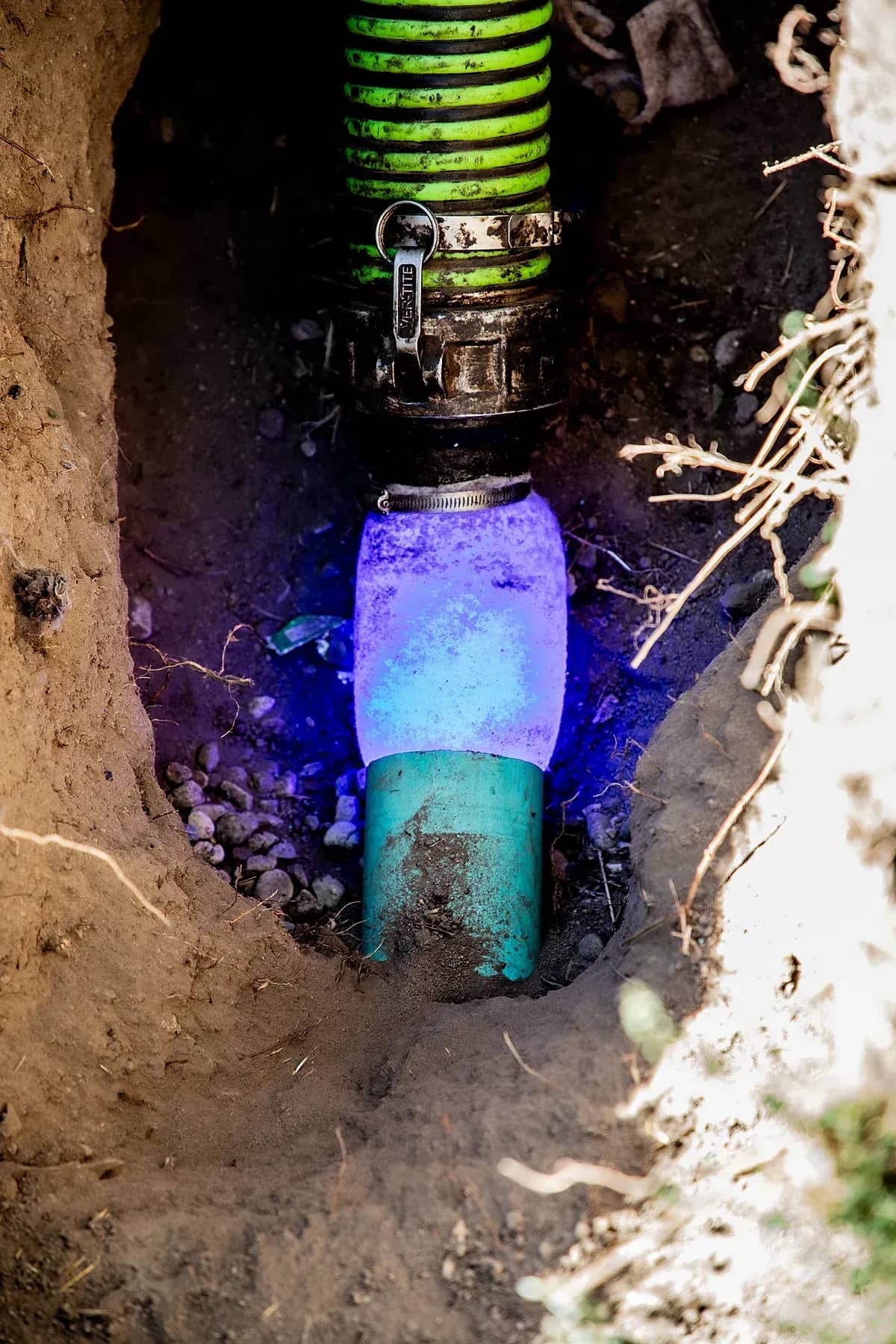
Trenchless repair fixes or replaces a damaged pipe through one or two small access pits instead of an open trench along the whole line. Pipe bursting pulls a new pipe through while fracturing the old one outward; slip lining feeds a new liner pipe inside the damaged one. Either way, your landscaping, driveway, and hardscaping stay intact, and the job typically finishes faster than a full dig.
Trenchless isn't the right fit for every line. A pipe that's severely bellied, collapsed, or badly offset at the joints usually needs a section dug up and reset instead — lining a pipe that's lost its slope just moves the problem. We run a camera through the line first so the recommendation is based on what your pipe is actually doing, not a guess.
A Straight Answer on Common Pipe Materials
- Galvanized steel (common in homes built before 1970): the zinc coating wears away over decades, leading to corrosion, reduced flow, and rust-colored water. If yours is original to an older home and you're seeing pressure loss or discoloration, replacement is usually the more sensible call than continuing to patch it.
- Polybutylene (installed roughly 1978 to 1995): gray plastic pipe that's prone to failure from chlorine exposure and brittle fittings. Production stopped in the mid-1990s after a wave of rupture claims, and many insurance policies won't cover it today. If your home still has it, replacing it ahead of a failure is the only way to remove the risk.
- Cast iron: black, heavy, hub-jointed pipe still manufactured today but far more common in older homes, especially for sewer lines. It can corrode, crack, or sink under its own weight underground over the decades.
- Copper: durable for a long service life, but hard water — common across the Treasure Valley — can eventually cause pinhole leaks by eating into the pipe wall from the inside.
- PVC and CPVC: today's standard for drain, waste, and vent lines, with CPVC rated for the hot water lines and HVAC piping that code often requires it for. Both resist corrosion well, but can fail from a manufacturing defect, installation stress, or unexpected chemical exposure.
- PEX: flexible, freeze-resistant tubing that's become the standard for new water supply lines, especially in tight spaces where running rigid pipe is impractical.
What Happens During a Pipe Inspection
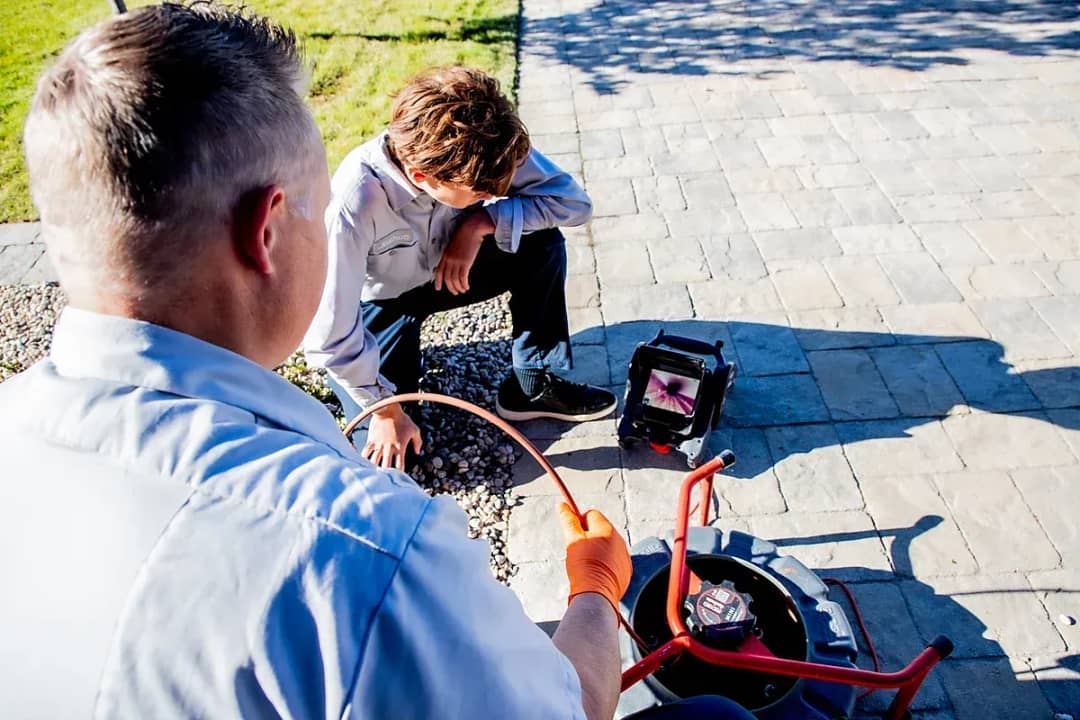
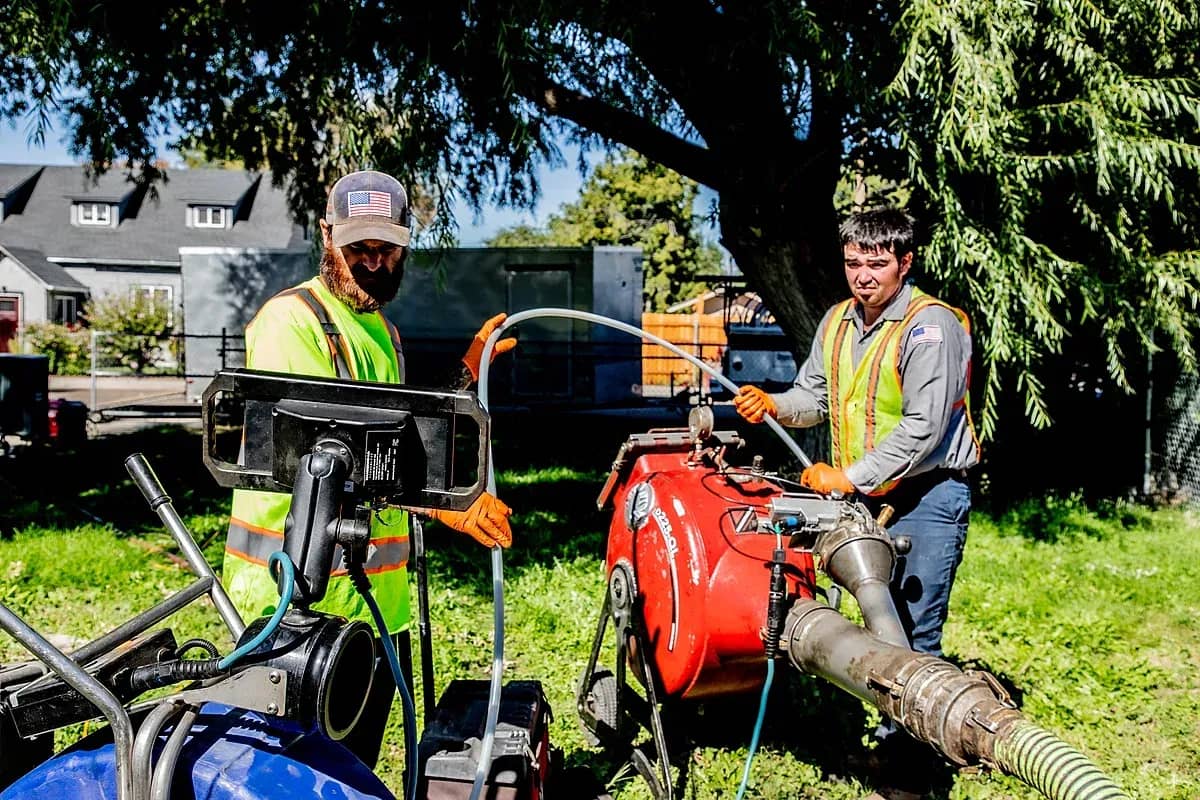
A technician runs a camera through the affected line to see the actual condition of the pipe — corrosion, cracks, offset joints, root intrusion, or a bellied section that's lost its slope. That footage tells us whether trenchless repair is a fit or whether the job needs traditional excavation, and it lets us show you exactly what we found instead of asking you to take our word for it. From there, you get a written estimate before anything gets dug up or lined, and most inspection-to-repair jobs on a single line finish in a day, though the timeline depends on what the camera turns up and whether parts or fittings need to be sourced.
Treasure Valley Pipe Repair
We repair and replace plumbing pipes across Caldwell, Boise, Meridian, Nampa, and the rest of the Treasure Valley from our shop on Commercial Way in Caldwell. If hard water or old galvanized piping is behind a recurring problem, our water softener and filtration team can help address the cause, not just the symptom.
Call (208) 366-5771 and a real person answers — no phone tree, no call center. Family-owned, veteran-owned, and Treasure Valley-based since day one. Same-day service when you call early, and emergency appointments when a burst pipe or active leak can't wait.
Frequently asked questions
What are the benefits of trenchless pipe repair?
Trenchless pipe repair uses techniques like pipe bursting and slip lining to fix or replace a damaged pipe without extensive excavation. Because it avoids digging up large sections of a yard or driveway, it protects landscaping from costly damage, typically takes less time than a traditional dig, and uses modern materials that resist corrosion and hold up well over the long term.
Can trenchless repair fix a bellied or sagging pipe?
In many cases yes. A mild to moderate belly — a low spot where a pipe has settled — can often be addressed with trenchless pipe bursting or lining once we've confirmed the slope and severity with a camera. A severe belly where the pipe has completely lost grade may still need a section dug up and reset, which is exactly why we run the camera first instead of guessing.
What signs indicate I might need a pipe replacement?
Common warning signs include frequent leaks, low water pressure, discolored water, a burst pipe, or recurring clogs in a sewer line or water pipe. Any of these persistent issues can signal that a pipe has reached the end of its lifespan and that the plumbing system's integrity has been compromised, which is a good reason to have it inspected.
What types of pipes are commonly repaired or replaced?
Homes and businesses commonly use PVC, PEX, galvanized, cast iron, CPVC, copper, and older polybutylene piping. Each material has its own typical failure points: galvanized steel pipes, common in homes built before 1970, can corrode as their zinc coating wears away; cast iron pipes can crack or corrode over time; copper pipes can develop pinhole leaks from hard water; and polybutylene pipes installed between 1978 and 1995 carry a known risk of rupturing. PVC and PEX are more modern, corrosion-resistant options used for drain, waste, vent, and water supply lines.
How does trenchless pipe replacement actually work?
Instead of trenching the length of the line, we use pipe bursting, which pulls a new pipe through while fracturing the old one outward, or slip lining, which feeds a new liner pipe inside the damaged one. Both methods enter through one or two small access pits rather than an open trench across the yard.