

Leach Field Services We Handle
- Leach field inspection and evaluation
- Drain field repair
- Drain field replacement and installation — see our drain field replacement page for what that process looks like
- Septic tank pumping to protect the drain field from overload
- Full septic system inspection, including tank and distribution box
Signs Your Leach Field Needs Attention
- Foul odors coming from the yard near the septic tank or drain field
- Standing water or soggy ground over the field, especially after dry weather
- Unusually lush or green grass in a stripe or patch above the field lines
- Slow-draining sinks, tubs, or toilets throughout the house
- Sewage backing up into the house or coming to the surface of the yard
- Gurgling drains or a septic alarm going off, if your system has one
What a Leach Field Actually Does
A septic tank separates solids from wastewater and lets the liquid portion flow out to the leach field, where a network of perforated pipes distributes it into the soil for natural filtering. The field only works if the soil underneath can still absorb water at a reasonable rate — once it's saturated, compacted, or clogged with solids that made it past the tank, wastewater has nowhere to go but up, which is why a failing field shows up as standing water or backups rather than a quiet mechanical failure.
Inspection or Repair — What Actually Happens
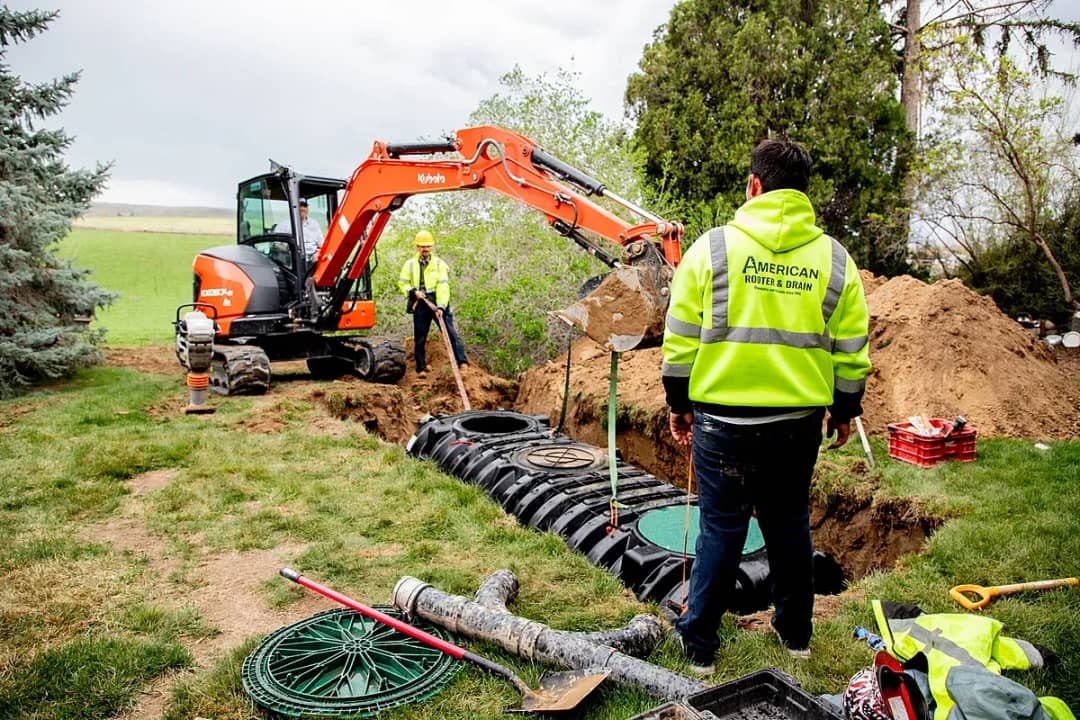
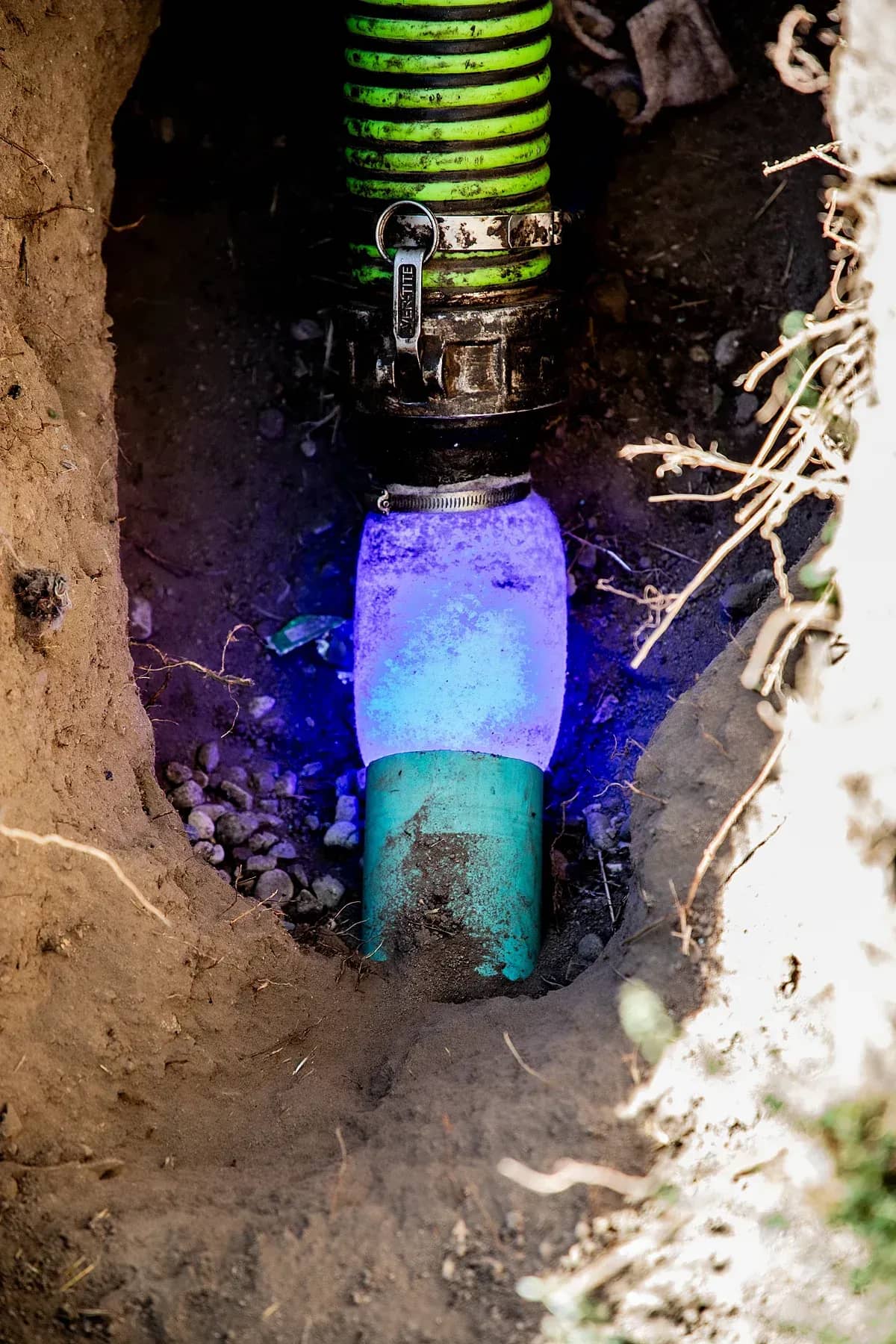
An inspection starts with locating the tank and field, checking the tank's sludge and scum levels, and evaluating the field itself for standing water, odor, and vegetation patterns that indicate where the system is struggling. If the field is failing because the tank hasn't been pumped and solids have migrated into the lines, pumping and clearing the lines can sometimes resolve it. If the soil itself has failed — compacted, saturated beyond recovery, or the original field was undersized for the household — repair or replacement of the field becomes necessary. We tell you which situation you're in before recommending a fix, since pumping a tank won't solve a soil problem and replacing a field won't fix a tank that's overdue for service.
Protecting Your Leach Field With Regular Pumping
Regular septic tank pumping is one of the most direct ways to protect a leach field's lifespan. As solids build up in the tank between pumpings, they take up space that should be holding wastewater long enough for it to settle before the liquid moves to the field. Skip enough pumpings and solids start passing through with the effluent, where they clog the soil in the field — a problem that's far more expensive to fix than pumping the tank on schedule. Most systems need pumping every three to five years, though usage, household size, and tank size all shift that timeline.
What Shortens a Leach Field's Lifespan
A well-designed and properly maintained leach field can last decades, but a handful of habits push that timeline shorter. Driving or parking heavy vehicles over the field compacts the soil and reduces its ability to absorb water. Planting trees or shrubs with aggressive root systems nearby lets roots infiltrate and clog the pipes. Sending excessive water through the system all at once — running several loads of laundry back to back, for example — can temporarily overload the field faster than it can absorb the effluent. And skipping tank pumping lets solids reach the field long before they should. None of these guarantee failure on their own, but they add up over the life of the system.
Permits and Regulations for Leach Field Work
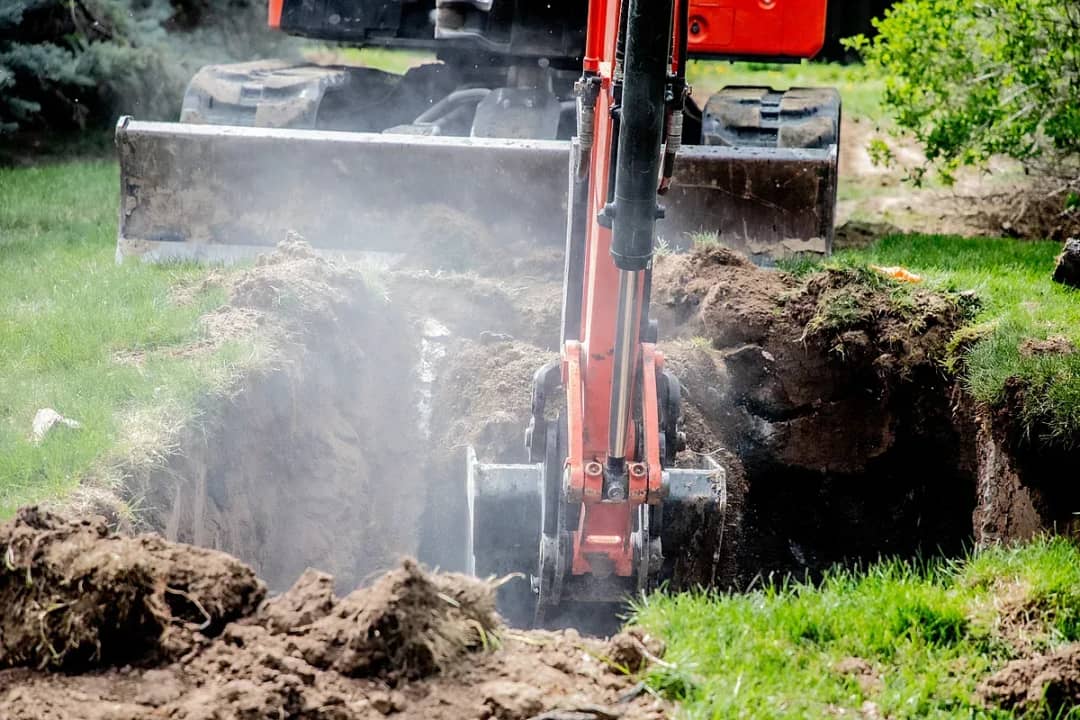
Leach field replacement isn't a project you can just start digging on. Local health authorities regulate septic system design and replacement to protect groundwater and neighboring properties, which means a permit is required before excavation begins, along with a design that accounts for your property's soil type and lot size. We handle the permitting process as part of a replacement so you're not left navigating it on your own, and the final inspection that closes out the permit confirms the new field meets code before we consider the job finished.
Leach Field Inspection & Repair Across the Treasure Valley
We inspect and repair leach fields and full septic systems across Caldwell, Boise, Meridian, Nampa, and the rest of the Treasure Valley from our shop on Commercial Way in Caldwell. Rural properties on septic systems are common throughout the valley, and we know the local soil conditions and permitting requirements that come with drain field work here.
Call (208) 782-8269 and a real person answers — no phone tree, no call center. Family-owned, veteran-owned, and Treasure Valley-based since day one. Same-day service when you call early, and priority scheduling when sewage is backing up or surfacing in the yard.
Frequently asked questions
What are the signs that my leach field needs repair?
Common indicators include foul odors near the drain field, standing water or soggy ground over the field, and unusually lush or green patches of grass that suggest a leak or overflow. Slow-draining sinks or toilets throughout the house can also point to a problem that extends to the leach field.
When should I contact a professional for leach field repair?
Call a technician whenever you notice persistent odors, standing water over the field, or slow drains that don't clear up. Early intervention on a struggling leach field can prevent a slow problem from turning into a sewage backup, which is a far more expensive fix.
How much does leach field replacement cost?
Cost varies widely based on the size of the system, the soil conditions, and the amount of excavation the replacement requires — homeowners can expect a wide range depending on the specifics of the property. We inspect the site and give you a written estimate for your exact situation rather than a number pulled from a general range.
How often should I have my septic tank pumped?
Most systems need pumping every three to five years, depending on household size and how the tank is used. Regular pumping keeps solids from building up to the point where they migrate into the leach field and clog the soil, which is one of the most common causes of field failure.
What's involved in a leach field replacement?
The process starts with assessing the existing field to determine the extent of the failure, then obtaining any permits required by local health authorities. From there, the old field infrastructure is excavated and removed, the new field is installed to meet code, and a final inspection confirms everything is working before the site is restored.