
Water Line Services We Handle
- Water line leak detection and repair
- Trenchless water line replacement
- Traditional excavation replacement for lines trenchless methods can't reach
- Water pressure testing and diagnosis
- Service line replacement from the meter to the house
- Repair of corroded, cracked, or root-damaged lines
Signs Your Water Line Needs Attention
- A water bill that jumps without a matching change in usage
- Water pooling in the yard, or a patch of grass that's greener and wetter than the rest — a classic sign of an outdoor water line leak
- Water pressure that's dropped noticeably at every fixture in the house, not just one
- Water that runs discolored or rusty when nothing else has changed
- Frequent clogs or slow drainage that doesn't clear with a plunger or snake
- Damp or wet spots on interior walls or ceilings, if the line runs beneath the home
- The sound of running water when nothing in the house is turned on
What's Actually Wrong: Leak, Corrosion, or Root Damage?
A single wet spot in the yard paired with a bill spike usually points to a discrete leak — something we can often find with video inspection or acoustic leak detection and fix without touching the rest of the line. Discolored water and a string of small leaks over time point to a corroding line nearing the end of its life, where patch repairs stop making sense and a full replacement gets you out of the repair cycle for good. Root intrusion is its own category — tree roots find any hairline crack in an older line and widen it from the inside, and cutting the roots back without replacing the damaged section only buys a few months before it's back.
Trenchless vs. Traditional Replacement
- Trenchless replacement pulls a new line through the path of the old one using a small entry and exit pit, leaving your landscaping, driveway, and hardscape mostly untouched. It costs more per foot than digging a trench but often costs less overall once you factor in restoring a torn-up yard, and it's faster to complete.
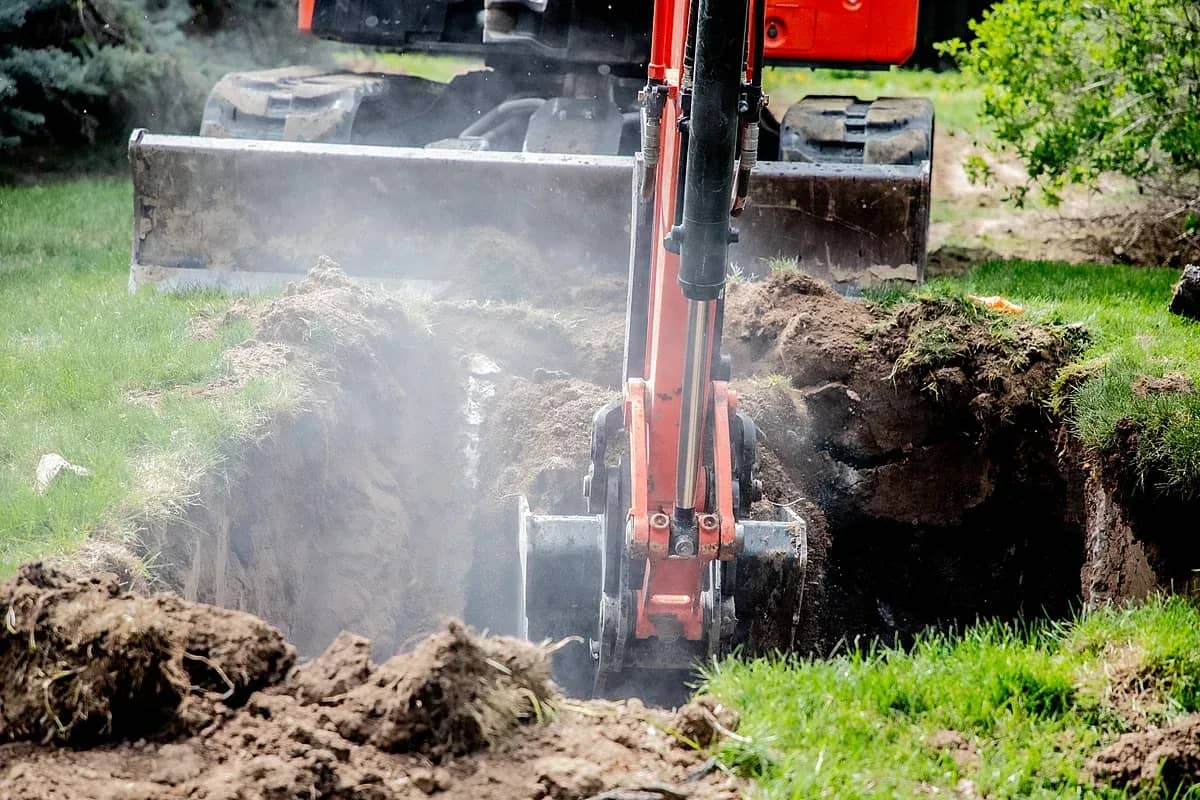
- Traditional excavation digs a trench along the full length of the line. It's the right call when the old line's path isn't reusable — wrong depth, wrong material, or routed somewhere a new line shouldn't go — or when there's no clear access for trenchless equipment.
We'll tell you upfront which method fits your yard and your line, not just which one happens to be easier for us that day.
What to Expect During a Water Line Replacement
A technician starts with an inspection of the current line, often with a video camera, to find exactly where and why it's failing. From there we confirm whether trenchless or traditional excavation is the right call for your property, disconnect and remove the damaged section, install the new line, and tie it back into your home's plumbing and the main supply. Before we leave, the work area is restored and the new line is pressure-tested to confirm it's holding before we call the job done.
Why Water Lines Fail
Most water line calls we run trace back to one of three causes. Age tops the list — galvanized steel lines common in homes built before the 1970s corrode from the inside out, and by the time a leak shows up outside, the pipe wall is often thin throughout its length, not just at the failure point. Soil movement is the second: the Treasure Valley's clay-heavy soil expands and contracts with moisture swings, and that movement stresses rigid pipe joints over years, especially where a line crosses under a driveway or foundation footing. Tree roots are the third — mature landscaping planted decades ago now has root systems that reach service lines that were never a problem when the trees were young.
Do I Need a Permit for a Water Line Replacement?
Water line work that connects to the municipal main typically requires a permit and inspection through the city or county, and we handle that process as part of the job rather than leaving it for you to sort out. Permitting also means the work gets a second set of eyes before it's buried, which matters on a repair you don't want to dig up again in five years.
Treasure Valley Water Line Service
We repair and replace water lines across Caldwell, Boise, Meridian, Nampa, and the rest of the Treasure Valley from our shop on Commercial Way in Caldwell. Older neighborhoods with galvanized or original clay lines make up a lot of our replacement calls — if your home was built before the 1970s and you're seeing any of the signs above, it's worth having the line checked before a slow leak turns into a bigger repair.
Call (208) 366-5771 and a real person answers — no phone tree, no call center. Family-owned, veteran-owned, and Treasure Valley-based since day one. Same-day service when you call early, and emergency response when a burst line can't wait.
Frequently asked questions
What are the signs of a water line leak?
An unexplained increase in the water bill is often the first sign that water is escaping somewhere in the system. Water pooling in the yard or around the foundation is another clear indicator of a broken water line, and a noticeable drop in water pressure can also mean water is leaking from the pipes before it reaches the fixtures.
What symptoms suggest I need water line repair rather than just a leak fix?
Discolored water, especially water that looks brown or rusty, points to corrosion inside the pipes. Frequent clogs or slow drainage can signal that the water lines are deteriorating, and unpleasant odors coming from the faucets can also indicate a problem within the plumbing system. Wet spots on walls or ceilings suggest water is already leaking from pipes inside the home and shouldn't be ignored.
What happens during a water line replacement?
The process starts with a thorough inspection of the current water lines, often using video leak detection to pinpoint the exact location of the problem. The damaged section is then excavated, or accessed with trenchless methods where possible, the old line is removed, a new line is installed and connected to the main water supply, and the work area is restored and tested to confirm the new line is functioning properly.
How long does a water line replacement take?
It depends on the job. A straightforward replacement might take a day or two, while more complicated situations, such as those involving extensive excavation or multiple connections, can take longer. A plumber can give a realistic timeline based on the specific conditions of the property.
What are the benefits of trenchless water line repair?
Trenchless methods use small access points instead of digging up the entire yard, which significantly reduces disruption to lawns, driveways, and landscaping compared to traditional excavation. Trenchless repair also typically requires less time and labor, which can lower costs, and it allows for more durable materials to be installed, extending the lifespan of the new water line.
How Much Does Water Line Replacement Cost?
For real price ranges, what drives the number, and typical timelines, see our water line replacement cost guide.