

Electrical Installation Services We Handle
- New circuit and outlet installation
- Lighting and ceiling fan installation
- Panel installation and upgrades
- EV charger installation
- Smart lighting and switch installation
- New construction and remodel wiring
When You Need a New Circuit
- Adding a major appliance — a hot tub, a shop tool, a second refrigerator — that a shared circuit can't safely carry
- Installing an EV charger, which almost always needs its own dedicated circuit
- Finishing a basement, garage, or addition that has no existing wiring
- A permit or inspection requiring code-compliant circuits before a project can move forward
- Outlets in a room that are already overloaded and tripping breakers regularly
- Adding a home office, workshop, or dedicated space that needs more outlets than the room currently has
- Installing outdoor lighting, a hot tub, or other equipment that needs weatherproof, GFCI-protected wiring
A shared circuit that already runs close to its limit is the most common reason a new appliance trips breakers the moment it's plugged in — the fix usually isn't a bigger appliance or a different outlet, it's a dedicated circuit sized for that specific load.
What to Expect During Installation
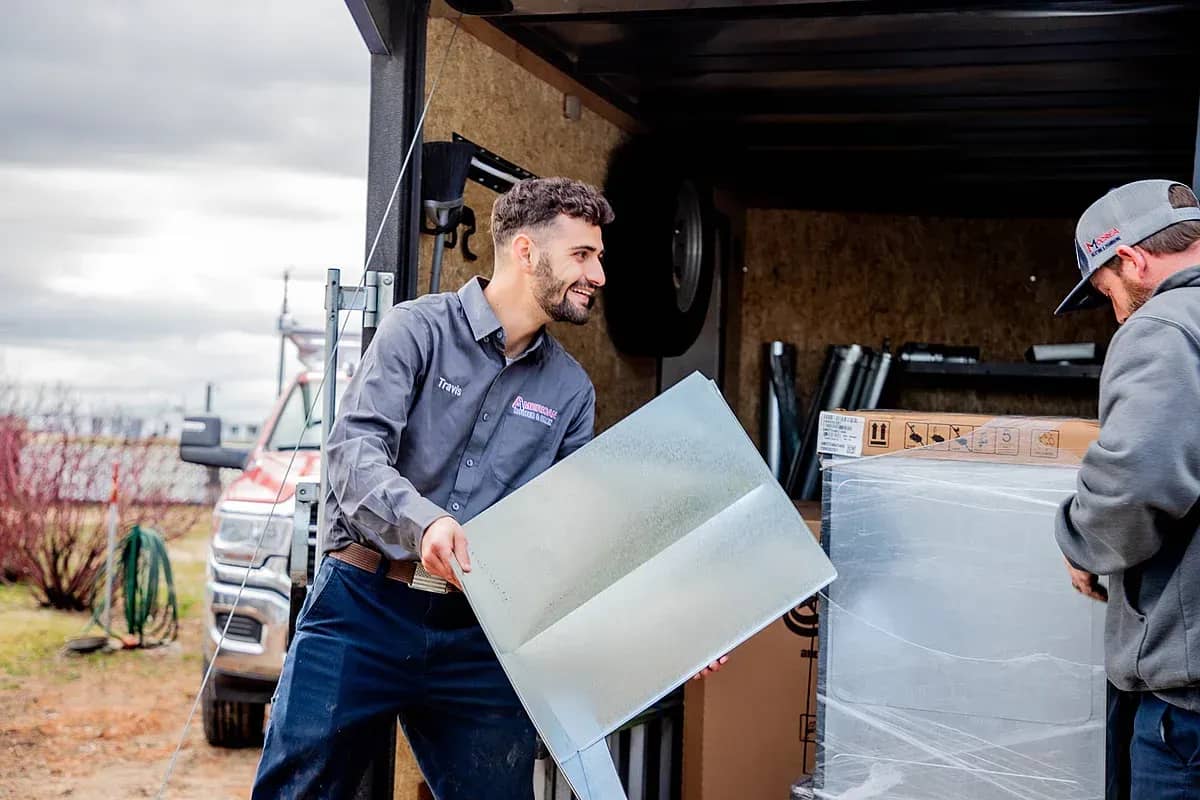
A technician starts with a load calculation to confirm your panel can support the new circuit without overloading the service — if it can't, that's a panel upgrade conversation before anything else gets installed. From there, most installs require a permit, which we pull, and the work gets inspected before it's signed off. We run the wiring, install the fixture, outlet, or panel, and test everything under load before we leave, so you're not finding out about a problem the first time you actually use it.
EV Charger Installation
EV chargers almost always need their own dedicated circuit sized for the charger's amperage, and Level 2 home chargers typically draw enough current that they push an older panel close to or past its rated capacity when combined with everything else already running. We calculate your home's existing load against the added draw before recommending anything — some homes handle a Level 2 charger on the existing panel without issue, and others need a panel upgrade first. Either way, you'll know which situation you're in before we quote the install, not after.
New Construction and Remodel Wiring
Wiring a new build or an addition from scratch is a different scope than adding a circuit to an existing home — it means planning the full layout of circuits, outlets, and switches before drywall goes up, coordinating with the framing and other trades on timing, and running everything to current code from the start rather than working around what's already there. We work directly with homeowners and general contractors on new construction and remodel wiring, and because the work happens before walls are closed, it's the best time to run extra circuits or capacity for anything you might add later — a workshop, an EV charger, a home office — since it's far cheaper to plan for it now than to retrofit it after the fact.
Treasure Valley Electrical Installations
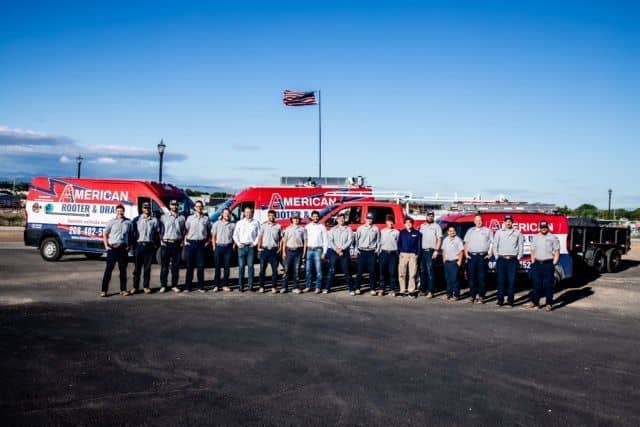
We install new electrical work across Boise, Caldwell, Meridian, Nampa, and the rest of the Treasure Valley from our shop on Commercial Way in Caldwell.
Call (208) 782-8268 and a real person answers — no phone tree, no call center. Family-owned, veteran-owned, and Treasure Valley-based since day one.
Frequently asked questions
What kind of electrical installation services do you offer for homes?
New lighting and outlets, full circuit wiring, panel installation and upgrades, smart lighting and switches, and EV charger installation — for new construction, remodels, or additions.
What happens during the initial consultation for an installation project?
An electrician looks at your home's existing electrical layout and panel capacity, and talks through what you're adding — whether that's an EV charger, a finished basement, or new lighting — to confirm what's needed before quoting the job.
Do electrical installations require a permit?
Most new circuits, panel work, and anything touching your home's electrical service require a permit and inspection in Idaho. We pull the permit and schedule the inspection as part of the job so you're not left tracking it down yourself.
What quality standards do your electrical installations meet?
Installations use code-compliant components — including GFCI outlets, properly rated breaker panels, and fan-rated boxes where needed — and every job is checked against current electrical code and tested under load before we leave.
Do I need a dedicated circuit for an EV charger?
Almost always, yes. Level 2 home chargers draw enough continuous current that sharing a circuit with other loads isn't safe or code-compliant, so the install includes a dedicated circuit sized to the charger and a load calculation to confirm your panel can support it. If your panel is already close to capacity, we'll tell you whether an upgrade is needed before quoting the charger install.
Can you wire a new home addition or finished basement?
Yes. We plan and install the full circuit layout for additions, finished basements, and new construction, coordinating with your general contractor or builder on timing so wiring happens before drywall closes up the walls. It's also the best time to add capacity for things you might want later, since running extra circuits during framing is far cheaper than retrofitting them afterward.
How much notice do you need to schedule an installation?
For a straightforward job like a fixture or outlet install, we can often get you on the schedule within a few days. Larger projects — panel upgrades, EV charger installs that need a load calculation, or new construction wiring — benefit from more lead time so we can plan the permit and inspection timeline around your project schedule.