Hidden Risks Inside Your Plumbing System
Many plumbing problems aren't obvious until they've already caused damage. A slow leak behind a wall or under a floor can feed mold growth, rot framing, and erode drywall long before you notice a stain. Because plumbing often runs near electrical wiring, even a small leak in the wrong spot can become a shock or fire hazard.
Licensed plumbers know where to look — in crawlspaces, inside wall cavities, beneath slabs — and they carry the diagnostic tools to find problems that a visual check would miss entirely.
Why DIY Plumbing Carries Real Consequences
Online tutorials make repairs look simple. In practice, plumbing work involves local building codes, correct materials, and proper sequencing that takes training to understand. Common DIY pitfalls include:
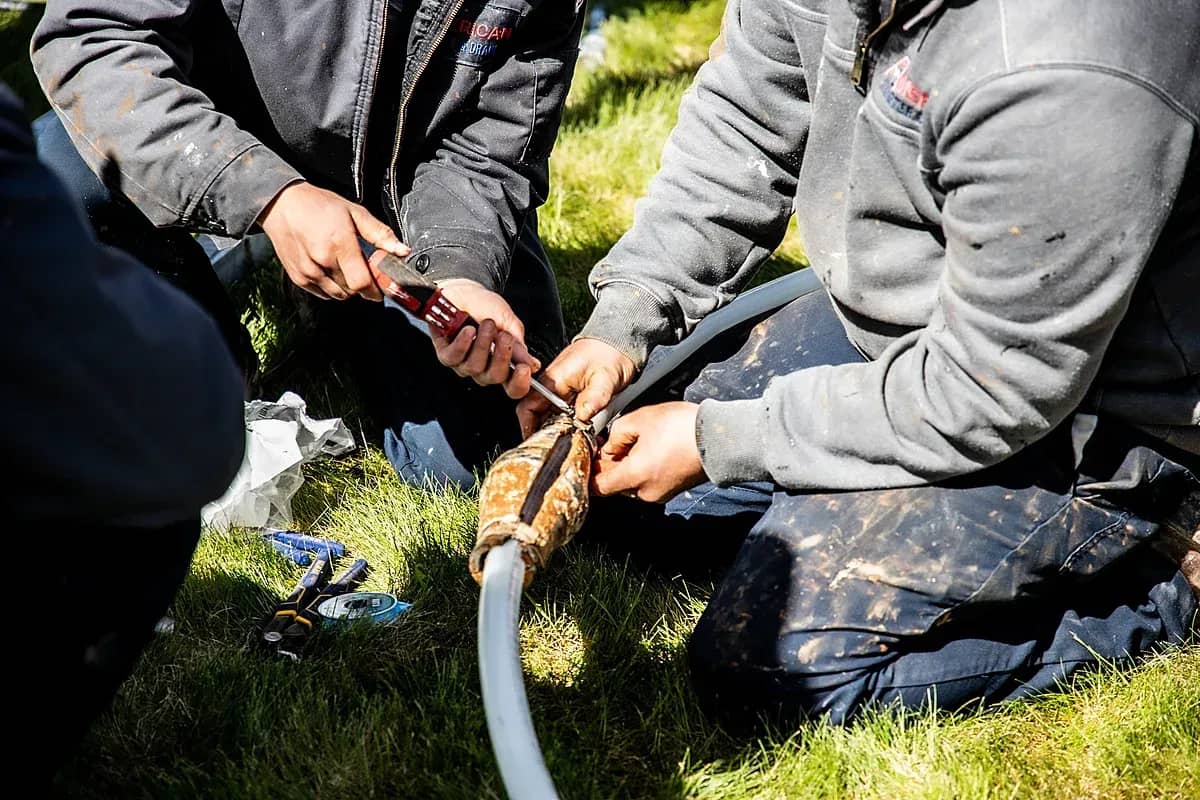
- Making a small problem worse — over-tightening fittings, wrong sealants, or disturbing corroded pipe can turn a drip into a burst.
- Health exposure — raw sewage, old galvanized pipe, and gas lines each carry specific hazards that require protective protocols.
- Code violations — unpermitted work can complicate a home sale and create liability if something later fails.
- Electrical crossover risk — water and wiring share tight spaces; amateur repairs near both can be dangerous.
A licensed plumber carries proper insurance and follows safety protocols that protect your home and your family throughout the job.
What Licensed Plumbers Actually Do for You
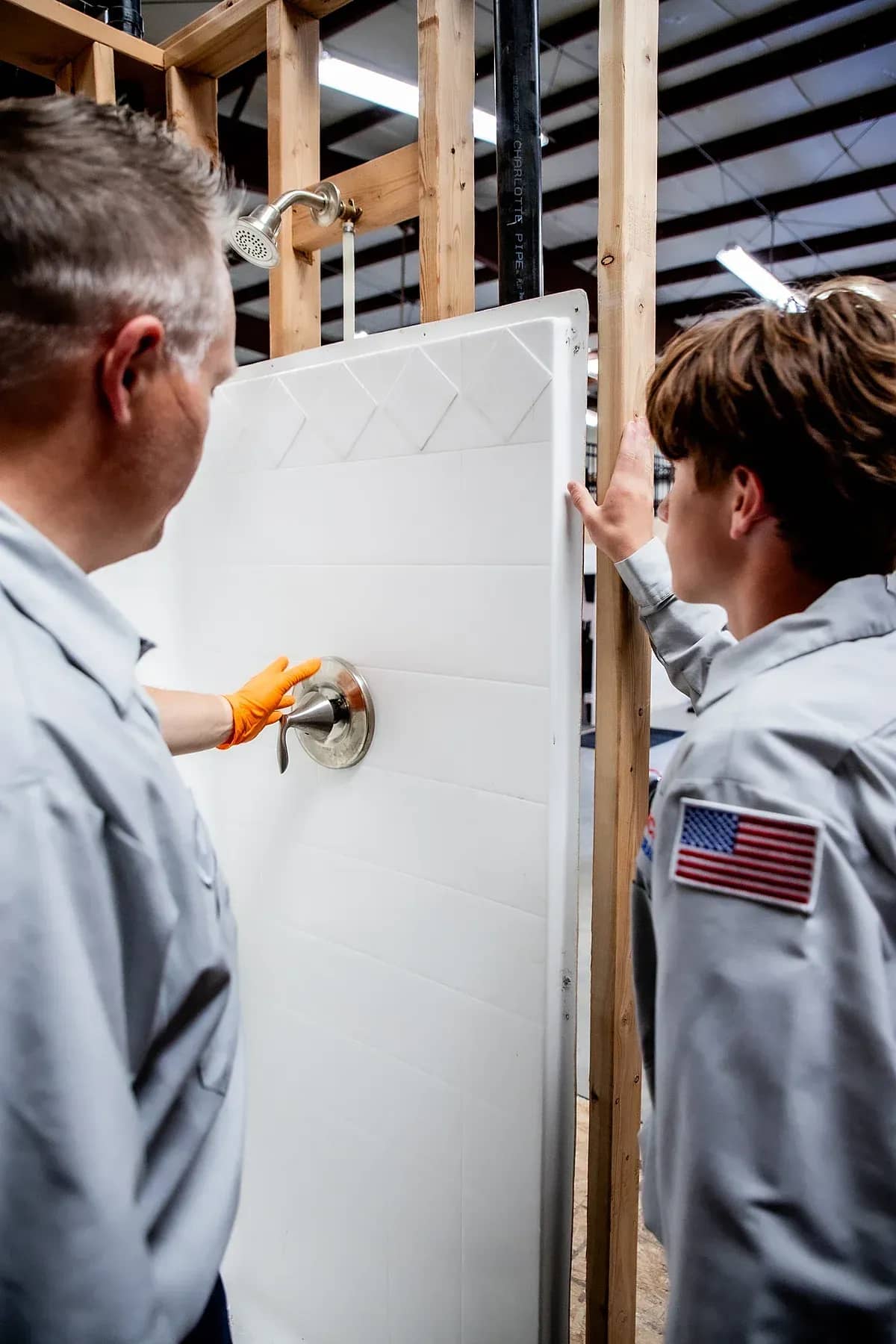
Hiring a licensed professional isn't just about fixing what's broken — it's about understanding your whole system.
Proactive Inspection
Routine checkups catch corrosion, buildup, and early-stage leaks before they escalate. Catching a pinhole leak now is far less expensive than replacing flooring and drywall later.
Code Compliance
Any new fixture installation, pipe replacement, or gas line work must meet Idaho and Oregon building codes. A licensed plumber knows those requirements and pulls permits where needed, keeping your home insurable and legally sound.
Specialized Equipment
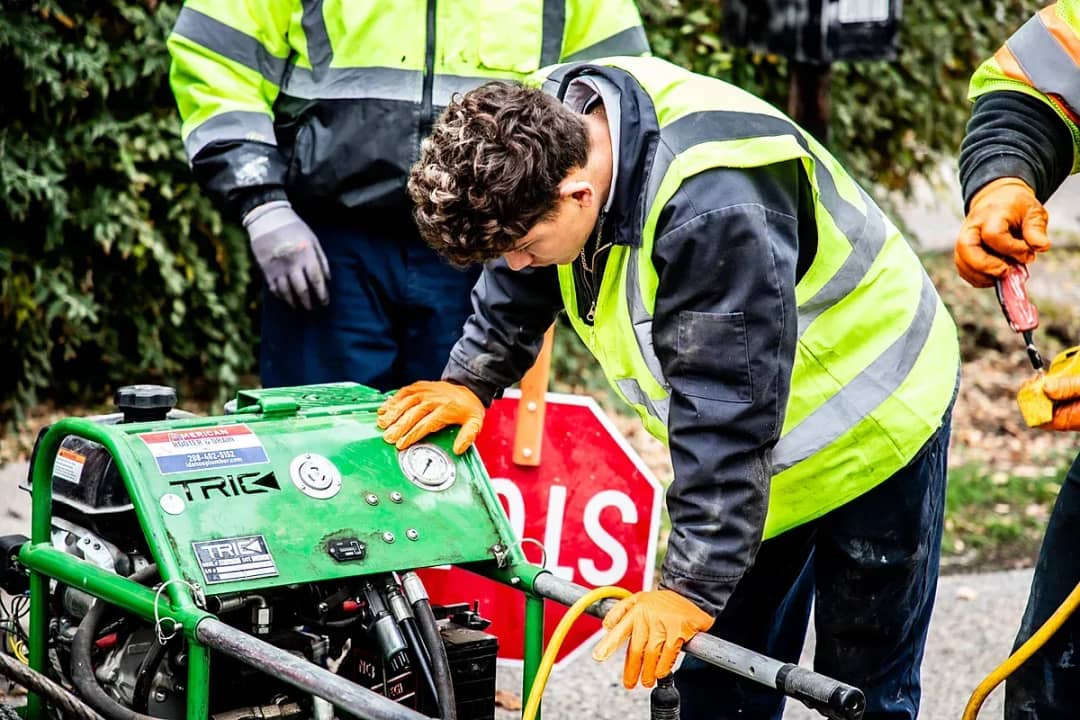
Professional-grade sewer cameras, hydro-jetting equipment, and electronic leak detection devices find and fix problems accurately the first time — tools a homeowner simply won't have on hand.
Sanitation and Water Quality
Properly functioning drain and sewer lines prevent backflow, foul odors, and potential contamination of your water supply — all genuine health concerns.
Signs It's Time to Call a Plumber
Don't wait until a minor issue becomes an emergency. Reach out when you notice:
- A leak that persists after basic tightening or washer replacement
- Noticeably low water pressure throughout the house
- Slow drains that don't respond to a plunger
- Sewage or sulfur odors coming from drains or the yard
- Unexplained water stains, soft spots in flooring, or mold on walls or ceilings
- Any work involving gas lines — always a job for a licensed pro
The Long-Term Value of Professional Service
Professional plumbing costs less in the long run than repeated patch jobs or emergency repairs caused by deferred maintenance. Quality repairs carry warranties, and licensed work is backed by liability insurance — so if something unexpected happens during a job, you're protected.
American Rooter & Drain serves homeowners across Idaho's Treasure Valley and Eastern Oregon with licensed, insured plumbers who treat every job — routine or complex — with the same commitment to doing it right.
Ready to schedule a plumbing inspection or get help with a repair? Call us at (208) 366-5771 or book online — we're here Monday through Friday 7 am–7 pm and Saturday 8 am–5 pm.
Frequently asked questions
Why is DIY plumbing risky?
DIY plumbing can make a small problem worse through over-tightening fittings or using the wrong sealants, expose you to health hazards like raw sewage and gas lines, create code violations that can complicate a home sale, and carries electrical crossover risk since water and wiring often share tight spaces.
What does a licensed plumber do that a homeowner can't?
A licensed plumber provides proactive inspection to catch corrosion and early-stage leaks, ensures code compliance for new fixtures or gas line work, uses specialized equipment like sewer cameras and hydro-jetting tools, and helps protect your water quality and sanitation.
What are the signs it's time to call a plumber?
Call a plumber for a leak that persists after basic tightening, noticeably low water pressure throughout the house, slow drains that don't respond to a plunger, sewage or sulfur odors from drains or the yard, unexplained water stains or mold, or any work involving gas lines.
Why does licensed plumbing work cost less in the long run?
Professional plumbing costs less over time than repeated patch jobs or emergency repairs caused by deferred maintenance, and quality repairs carry warranties backed by liability insurance.