What Is Trenchless Technology?
Pipe bursting is one of the most effective trenchless methods available, and it's a great fit for many of the older homes and properties we service across the Treasure Valley and Eastern Oregon.
How Pipe Bursting Replacement Works
The process is straightforward once you understand the mechanics:
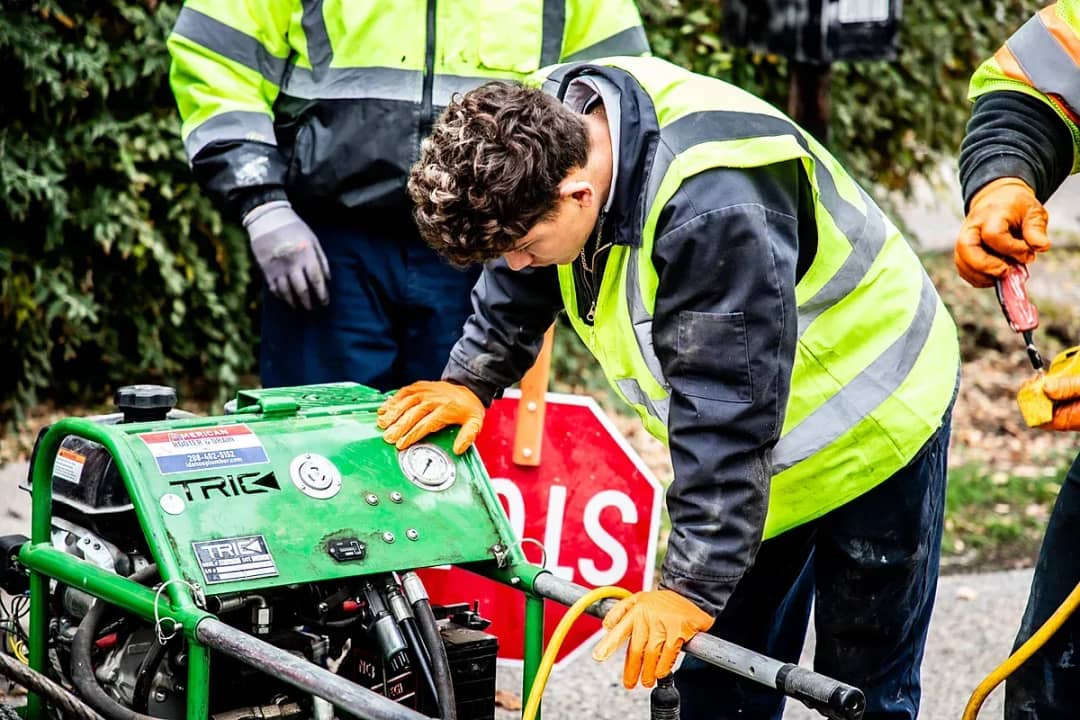
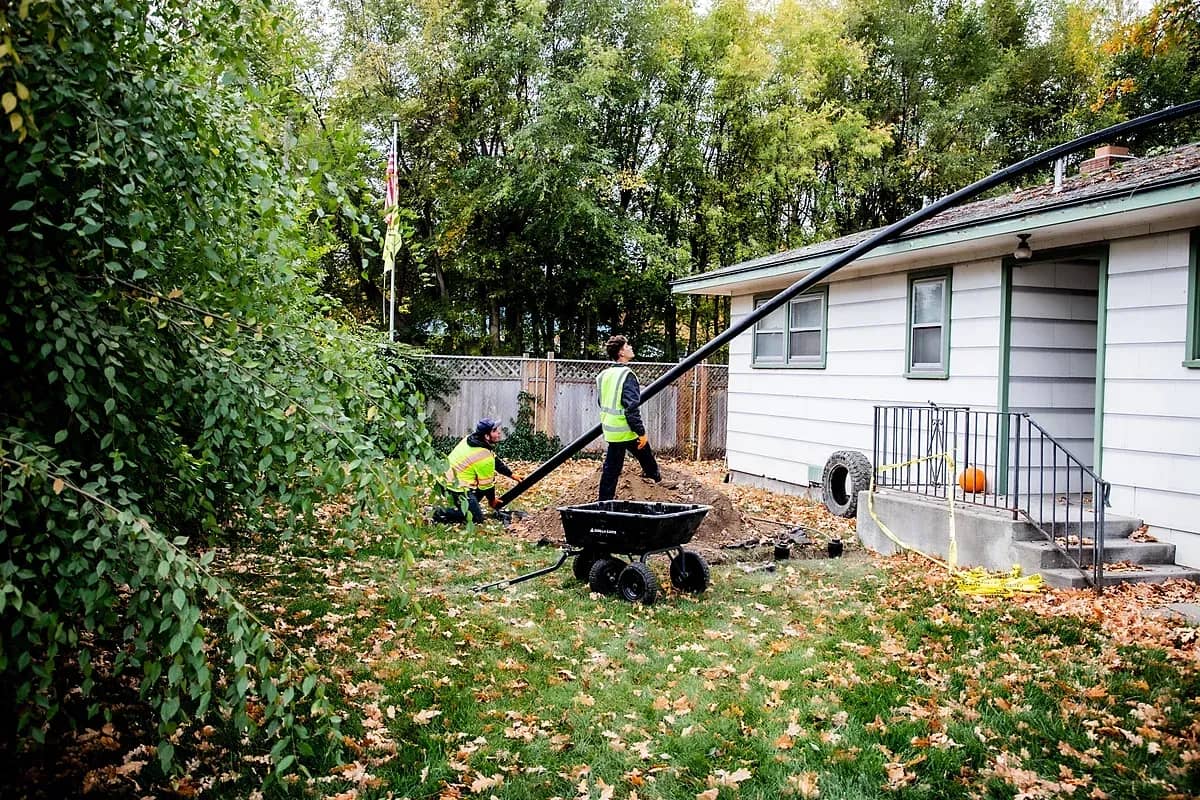
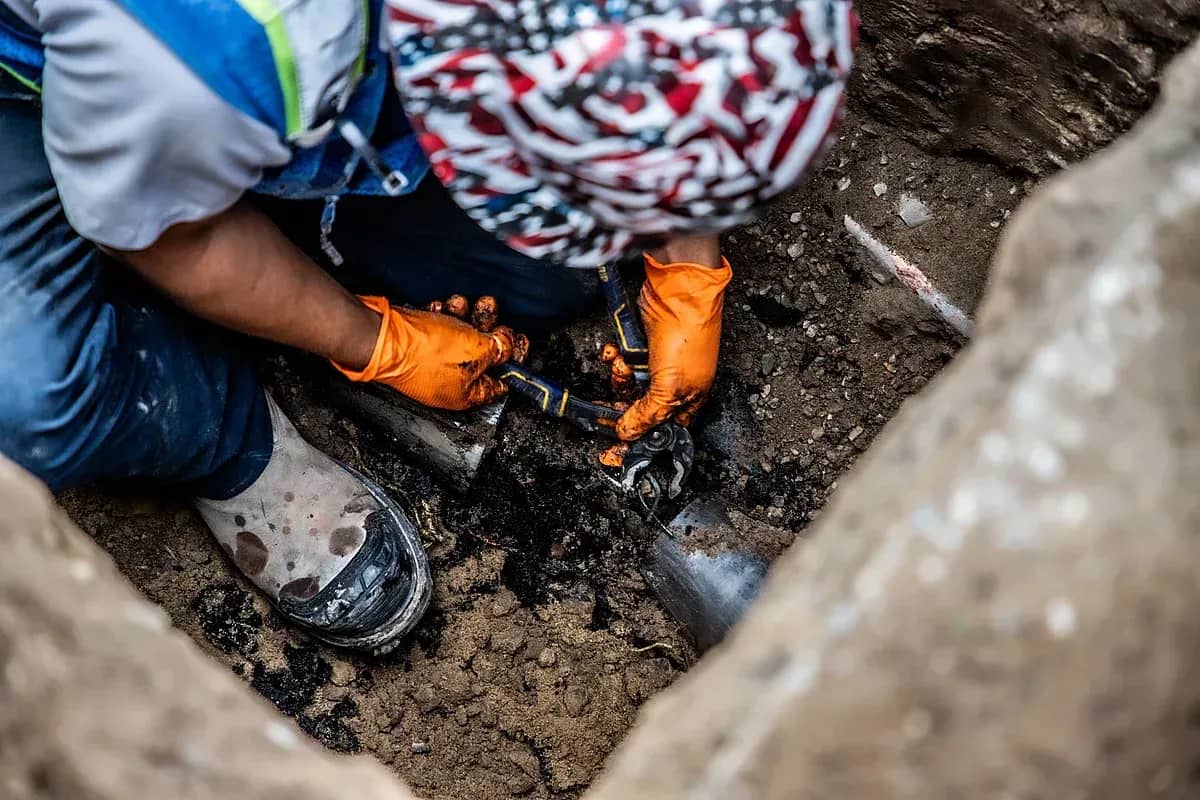
1. Access points are dug — Small excavations are made at each end of the damaged pipe run. These are far smaller than traditional trenches.
2. A bursting head is inserted — This specialized tool is fed into the old pipe. As it's pulled through, it fractures the existing pipe outward into the surrounding soil.
3. The new pipe follows immediately — A new high-density polyethylene (HDPE) pipe is attached to the bursting head and pulled into place as the old pipe is destroyed. HDPE is tough, flexible, and built to last.
The result is a brand-new pipe in the exact same path as the old one — without the trench.
Advantages Over Traditional Pipe Replacement
- Less disruption to your property — Your lawn, driveway, and landscaping stay mostly intact. No long trenches, no major restoration work afterward.
- Faster turnaround — Less digging means less time on the job. Most pipe bursting projects are completed in a fraction of the time traditional replacement requires.
- Cost savings — Fewer workers, less equipment, and no extensive landscape repair add up to real savings.
- Environmentally friendlier — Minimal excavation means less soil disturbance and less impact on the surrounding area.
When Is Pipe Bursting the Right Call?
Pipe bursting works well when your existing pipe is cracked, corroded, or collapsed but still defines a usable path underground. It's especially effective for pipes made of:
- Clay (common in older Treasure Valley homes)
- Cast iron
- PVC that has deteriorated over time
If the line is severely offset, has major root intrusion that's displaced the pipe entirely, or runs through an area with significant soil instability, our technicians will evaluate whether pipe bursting or another trenchless method — like cured-in-place pipe lining — is the better fit. A sewer camera inspection is typically the first step to find out.
What to Expect From Our Team
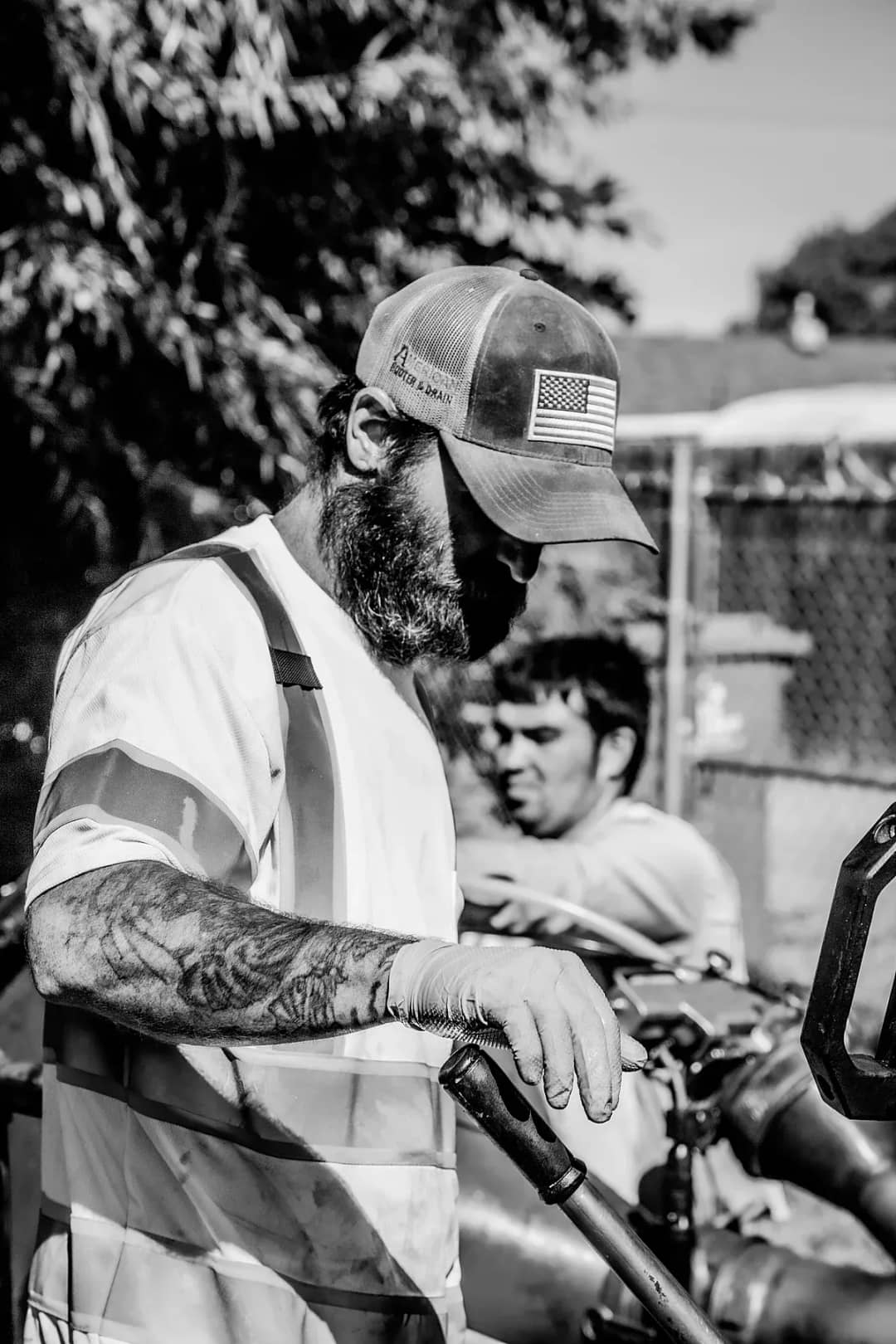
American Rooter & Drain is a veteran-owned, family-run company. When you call us about a sewer line problem, we'll start with a camera inspection to get eyes on what's actually going on underground. From there, we give you honest options — including whether trenchless pipe bursting makes sense for your specific situation — and a clear, upfront estimate before any work begins.
Ready to stop guessing what's going on with your sewer line? Call us at (208) 366-5771 or book online to schedule a sewer camera inspection. We serve Boise, Nampa, Caldwell, Meridian, and communities throughout the Treasure Valley and Eastern Oregon.
Frequently asked questions
How does trenchless pipe bursting work?
Small access points are dug at each end of the damaged pipe run, a bursting head is inserted and pulled through the old pipe to fracture it outward into the surrounding soil, and a new high-density polyethylene (HDPE) pipe is pulled into place immediately behind it — without a long trench.
What are the advantages of pipe bursting over traditional pipe replacement?
Pipe bursting causes less disruption to your property since landscaping stays mostly intact, offers a faster turnaround with less digging, saves money on labor and equipment, and is more environmentally friendly due to minimal excavation.
What types of pipes work well with pipe bursting?
Pipe bursting works well on cracked, corroded, or collapsed pipes made of clay, cast iron, or deteriorated PVC — materials common in older Treasure Valley homes.
When might pipe bursting not be the right fit?
If the line is severely offset, has major root intrusion that's displaced the pipe entirely, or runs through an area with significant soil instability, a technician will evaluate whether pipe bursting or another trenchless method, like cured-in-place pipe lining, is the better fit.