Start With the Thermostat
It sounds obvious, but it's the most common culprit and the fastest to check:
- Confirm it's set to "Cool," not "Fan" or "Heat." The fan setting circulates air without cooling it — if the fan is set to "On" instead of "Auto," you'll get constant airflow that feels like warm air blowing when the compressor isn't actively running a cooling cycle.
- Check the temperature setting is actually below the current room temperature. If someone bumped it up, the system won't be calling for cooling at all.
- Replace the batteries if it's a battery-powered thermostat and the display looks dim or unresponsive. A dying thermostat can send incorrect signals to the system.
- If it's a smart thermostat, check for a scheduling conflict — some systems get switched to an eco or away mode that overrides your manual setting.
Check the Circuit Breaker
Air conditioners often run on a dedicated breaker separate from your general household circuits, and outdoor condenser units sometimes have their own disconnect switch near the unit itself. If the breaker has tripped, the indoor blower might still run (circulating room-temperature or warm air) while the outdoor compressor — the part that actually does the cooling — sits dead. Check your electrical panel for a tripped breaker, and check for a shutoff switch near the outdoor unit that may have been bumped or intentionally switched off.
Check the Air Filter
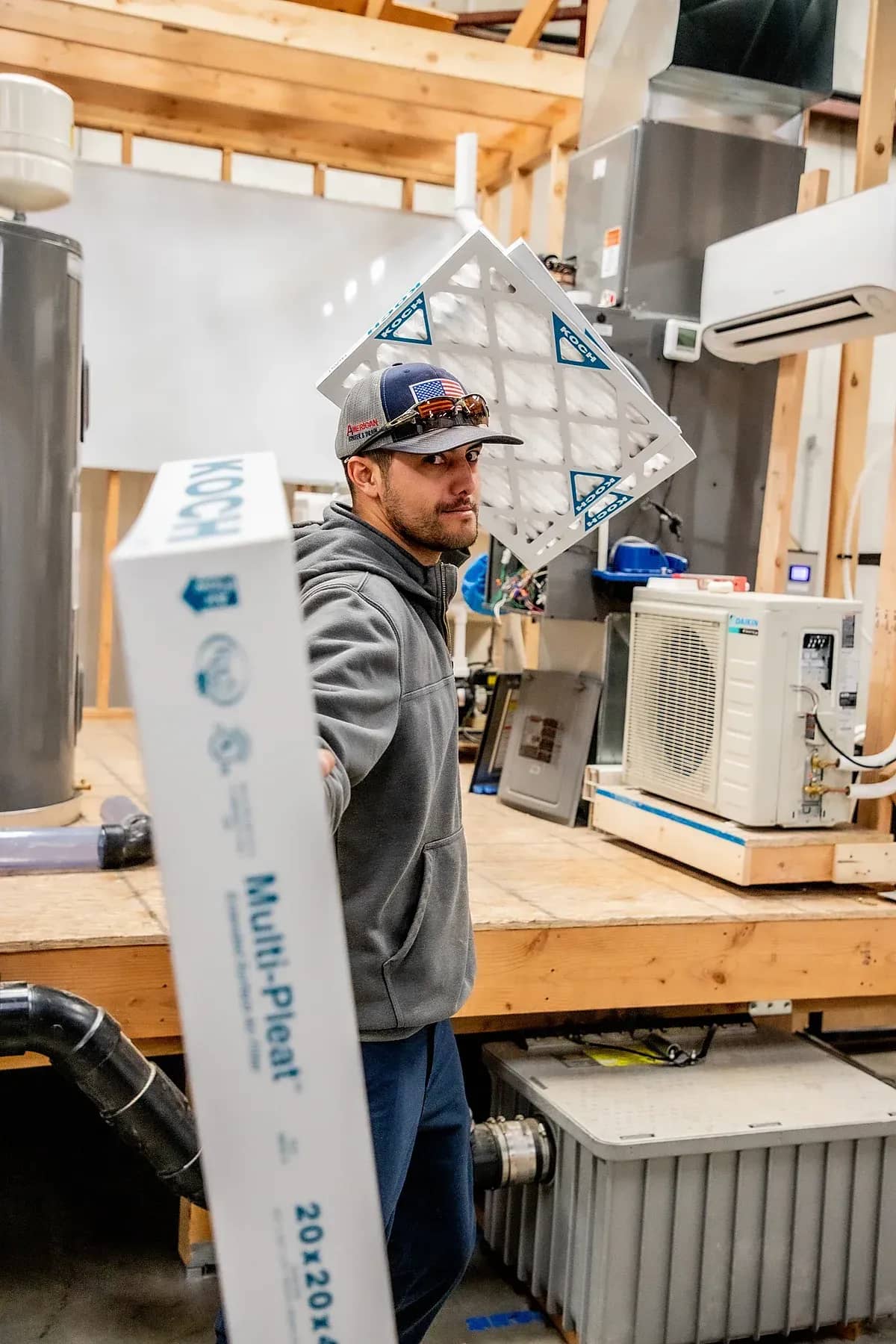
A severely clogged air filter restricts airflow across the indoor coil enough to cause real performance problems, including reduced cooling capacity that can feel like warm air blowing, especially on longer cooling cycles. Filters are typically located in a return air grille or a slot near the indoor air handler/furnace. If yours is visibly dirty or hasn't been changed in a few months, replace it — it's inexpensive and worth ruling out first.
Check the Outdoor Unit
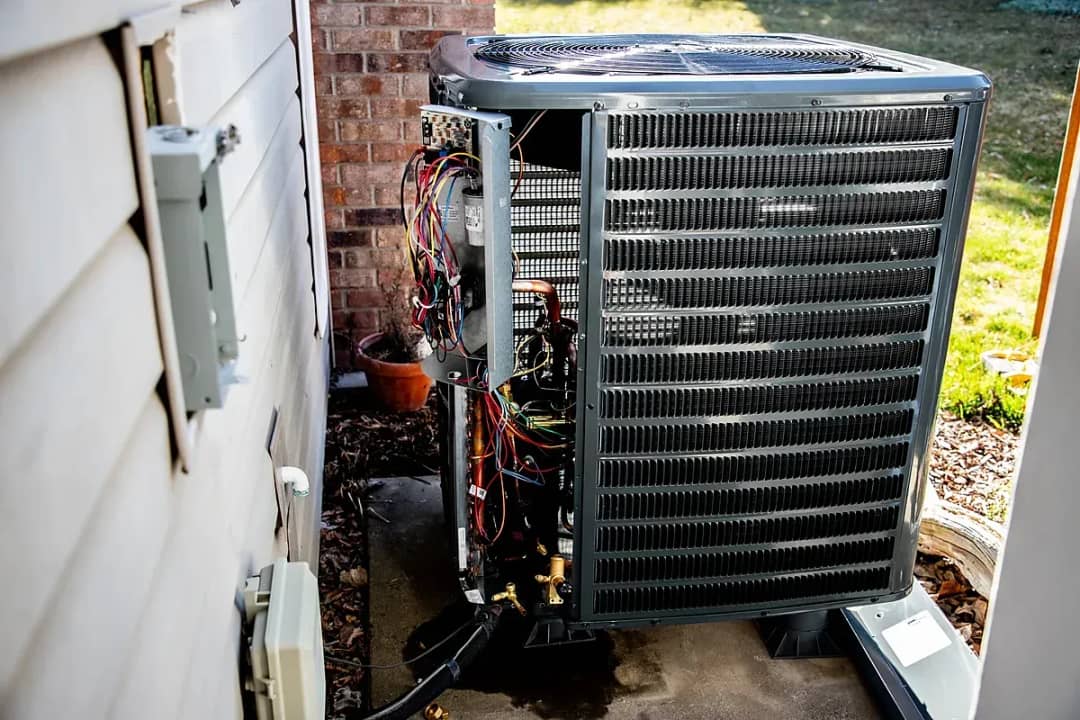
Walk outside and look at the condenser (the box-shaped unit that sits outside your home):
- Is it running? If it's silent while the thermostat is calling for cooling, that points toward an electrical or component issue rather than something you can fix by looking.
- Is it covered in debris, leaves, or overgrown vegetation? A condenser needs airflow around it to reject heat. If it's obstructed, cooling performance drops.
- Is there visible ice or frost on the unit or refrigerant lines? A frozen coil is a real problem (more below) and running the system longer with ice present can make it worse.
Check Your Vents
Make sure supply vents throughout the house are open and not blocked by furniture, rugs, or curtains. Too many closed vents can affect system airflow and pressure, which in some systems contributes to comfort complaints, though this is a smaller factor than the items above.
When It's Something a Professional Needs to Handle
If you've checked the thermostat, breaker, filter, and outdoor unit and you're still getting warm air, the cause is likely one of the following — all of which need a licensed technician:
- Low refrigerant from a leak. Refrigerant doesn't get "used up" during normal operation — if levels are low, there's a leak somewhere in the system that needs to be located and repaired before recharging, not just topped off.
- A frozen evaporator coil. Ice on the indoor coil blocks airflow and stops effective heat exchange, and it's often a symptom of low refrigerant, a dirty coil, or restricted airflow. Running the system with a frozen coil can lead to compressor damage, so this is a "turn it off and call" situation rather than a run-it-and-see one.
- A failing compressor. The compressor is the core of the outdoor unit and the most expensive component to replace. Warm air alongside unusual noises from the outdoor unit can point here.
- Electrical or capacitor issues. A failing capacitor can cause the outdoor unit to hum without starting, or run intermittently — not something safe to diagnose or touch without the power fully isolated and the right testing equipment.
Refrigerant handling and electrical diagnostics both require licensed, EPA-certified technicians — this isn't a "void the warranty" caution so much as a genuine safety and equipment-damage risk if handled incorrectly.
Is It an Emergency?
A few situations are worth same-day attention rather than waiting: extreme heat combined with vulnerable household members (infants, elderly, or anyone with a health condition affected by heat), visible ice buildup on the system, or any burning smell or unusual noise from the outdoor unit. Straightforward "it's just not cooling as well as it should" situations can typically wait for a scheduled appointment.
Does Homeowners Insurance Cover AC Repair?
Generally, no — for the same reason it typically doesn't cover most mechanical breakdowns. Standard homeowners policies are built around sudden, accidental damage from covered perils (like a tree falling on the unit), not gradual wear, mechanical failure, or the compressor simply reaching the end of its service life. Some home warranty plans (a separate product from homeowners insurance) do cover HVAC mechanical failures — if you have one, it's worth checking before scheduling a repair. Confirm the specifics with your own policy or warranty provider, since coverage varies.
What to Expect When You Call
American Heating & Air, our HVAC division, diagnoses AC systems throughout Boise and the Treasure Valley — from the quick-fix causes above to refrigerant leaks and compressor failures. You'll get a clear diagnosis and an upfront estimate before any repair work begins.
Still blowing warm air after running through this checklist? Call American Heating & Air at (208) 782-8267 or book online to schedule a diagnostic visit. We serve Boise, Meridian, Nampa, Caldwell, and communities throughout the Treasure Valley and Eastern Oregon.
Learn more about our AC repair services or visit the American Heating & Air AC repair page for your city.
Frequently asked questions
My AC is blowing warm air. What should I check first?
Start with the thermostat — confirm it's set to "Cool" with the fan on "Auto," not just "On," and that the target temperature is below the current room temperature. Then check your electrical panel for a tripped breaker, inspect the air filter for a heavy clog, and look at the outdoor unit to confirm it's running and free of debris or ice.
What are signs an AC unit needs professional repair?
Warm air after ruling out thermostat, breaker, and filter issues; visible ice on the indoor coil or outdoor lines; unusual noises or a humming outdoor unit that won't start; and any burning smell all point to issues — like refrigerant leaks, a failing compressor, or electrical component failure — that need a licensed technician rather than a DIY fix.
Will homeowners insurance cover AC repair?
Generally not for normal mechanical failure or wear, since standard homeowners policies are built around sudden, accidental damage from covered perils rather than equipment reaching the end of its service life. A separate home warranty plan, if you have one, may cover mechanical HVAC failures — check your specific policy or plan.
How often should AC filters be replaced?
Most residential filters should be checked monthly and replaced roughly every 1–3 months depending on the filter type, household dust levels, and whether you have pets — more frequently during heavy summer cooling season when the system is running the most.