How Much Does Trenchless Sewer Repair Cost?
It depends on which method the line needs:
- Full trenchless replacement (pipe bursting or CIPP lining) — priced by line length, depth, and access once the camera confirms the scope.
- Trenchless spot repair — addressing one isolated failure point rather than the whole run — costs less than a full replacement, priced the same way.
We run a camera first and give you a flat-rate price in writing before any work starts.
The Two Trenchless Methods
- Pipe bursting. A new pipe is pulled through the path of the old one while a bursting head fractures the old pipe outward, replacing the entire line's structural integrity in one continuous pull through one or two small access pits.
- Cured-in-place lining (CIPP). A resin-saturated liner is pulled or inverted into the existing pipe and cured in place, forming a new, jointless pipe within the old one — often with no excavation at all.
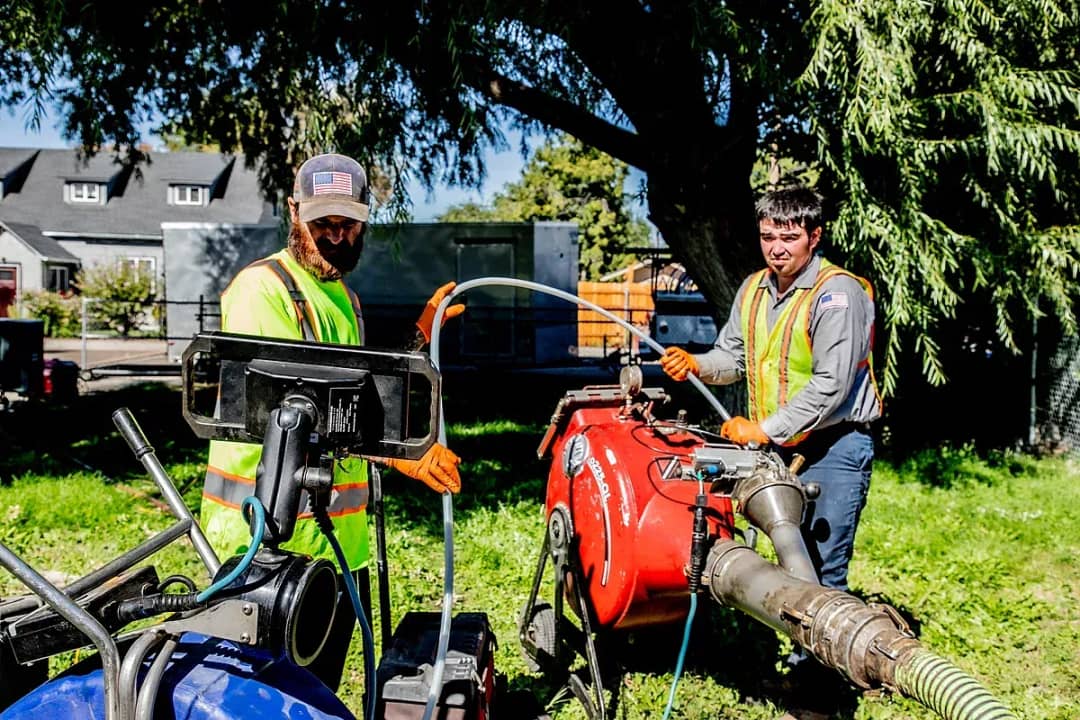
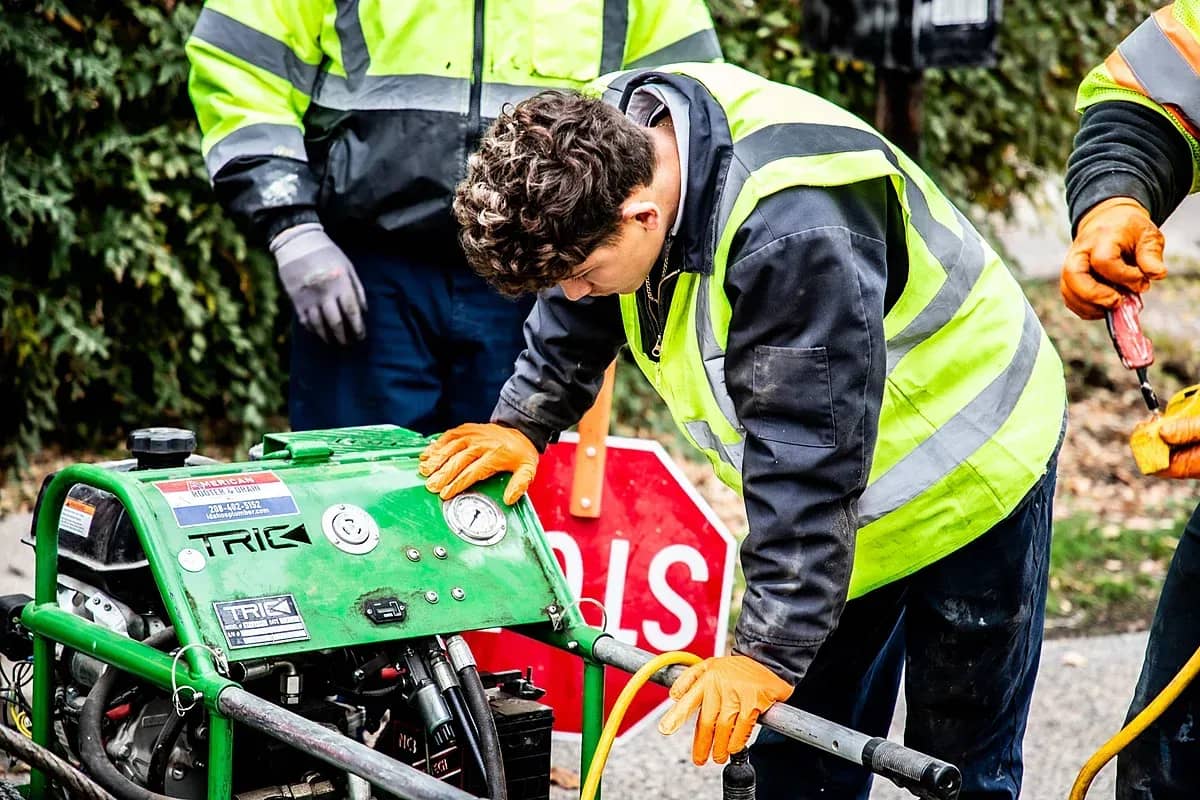
Both methods work through small access points instead of a continuous trench, so mature landscaping, driveways, and hardscaping stay intact.
What Drives the Price
- Line length, depth, and access — the biggest cost swing between the low and high end of both ranges.
- Which method fits. We choose pipe bursting vs. lining based on exactly what a camera inspection finds in your line — not which one happens to be easier for us that week.
- Pipe material and condition. Older clay and cast-iron laterals common across the valley's early-1900s neighborhoods often need a full-section replacement rather than a spot fix.
- Permits, which vary by city and can add time before work starts.
Timeline
Most trenchless jobs are physically completed in one to two days, since the method only needs two small access pits instead of a full-length trench. Traditional open-trench excavation is reserved for the rare line condition trenchless methods genuinely can't fix.
Related Pages
See our sewer line repair hub for the full service breakdown, our trenchless vs. traditional sewer repair comparison, or check pricing for sewer line replacement generally. City pages: Boise, Caldwell, Nampa, Meridian.
Call (208) 366-5771 for a same-day camera inspection and a flat-rate price in writing.
Frequently asked questions
How much does trenchless sewer repair cost?
It depends on which method the line needs and how far the damage runs. A smaller trenchless spot repair costs less than a full trenchless replacement (pipe bursting or cured-in-place lining); line length, depth, and access move the number either way. We run a camera first and give you an exact price in writing before any work starts — a flat rate, not an hourly meter, so if the job runs long that's on us, not you.
How long does trenchless sewer repair take?
Most trenchless jobs — pipe bursting or lining — are physically completed in one to two days, since the method only needs two small access pits instead of a full-length trench. Permitting timelines vary by city and can add time before work starts.
Do I have to dig up my whole yard for trenchless sewer repair?
No — that's the entire point of the method. Pipe bursting and lining both work through one or two small access points instead of a continuous trench, so mature landscaping, driveways, and hardscaping stay intact. Traditional open-trench excavation is reserved for the rare line condition trenchless methods genuinely can't fix.
What's the difference between pipe bursting and pipe lining?
Pipe bursting pulls a new pipe through the path of the old one while fracturing the old pipe outward. Cured-in-place lining pulls or inverts a resin-saturated liner into the existing pipe and cures it in place, forming a new, jointless pipe inside the old one — often with no excavation at all. We pick the right fit for your specific line before we quote anything.
Is trenchless sewer repair more expensive than traditional excavation?
Not necessarily — trenchless often costs less once you account for landscaping, driveway, and hardscaping restoration that traditional open-trench excavation requires. Trenchless is also faster to complete and less disruptive, which is why it's our default recommendation whenever the line allows it.