What Causes Drains to Clog?
Understanding the culprits makes prevention a lot easier. The most common causes we see across the Treasure Valley and Eastern Oregon:
- Grease and cooking oil — Poured down the kitchen sink, these liquids cool and solidify on pipe walls, trapping everything that comes after them.
- Hair and soap scum — In bathroom drains, hair and soap residue combine into stubborn mats that build up fast.
- Non-flushable items — Wipes (even "flushable" ones), paper towels, and feminine hygiene products don't break down and will eventually cause a serious blockage.
- Food scraps — Coffee grounds, potato peels, and fibrous foods can overwhelm even a garbage disposal and accumulate in pipes.
- Tree roots — In older yards with mature trees, roots can infiltrate outdoor sewer lines in search of water, causing major blockages over time.
Simple Habits That Keep Drains Clear
Watch What Goes Down
The easiest fix is also the cheapest: be intentional about what enters your plumbing.
- Scrape grease into a container and throw it in the trash — never pour it down the sink.
- Use a mesh drain strainer in the kitchen to catch food particles.
- Put a hair catcher over your shower drain and clean it weekly.
- Keep a small trash can next to every toilet so non-flushable items have a proper home.
Flush with Hot Water Weekly
Once a week, run hot water down your kitchen and bathroom drains for a minute or two. It helps dissolve soap scum and light grease before it has a chance to build up.
Try Enzyme-Based Drain Cleaners
Store-bought chemical drain cleaners are hard on pipes over time. Enzyme-based cleaners are a gentler alternative — they break down organic material naturally and work well as a monthly maintenance treatment for kitchen and bathroom drains.
DIY for Minor Clogs
For a slow or partially blocked drain, try these before calling anyone:
1. Plunger — Creates suction to dislodge a soft blockage.
2. Baking soda and vinegar — Pour half a cup of baking soda followed by half a cup of white vinegar, let it sit 15–20 minutes, then flush with hot water.
3. Drain snake or auger — Reaches deeper clogs that a plunger can't touch.
If none of these work, or the clog keeps coming back, it's time to call a professional.
When to Call a Plumber
Some situations go beyond DIY territory. Don't wait on these:
- Water backing up into multiple fixtures — A sign the blockage is in the main line, not just one drain.
- Sewage odors or backup — Raw sewage coming up through a drain is a health concern and needs immediate attention.
- Gurgling sounds — Drain pipes shouldn't gurgle. It often means air is trapped due to a partial blockage or venting issue.
- Slow drains throughout the house — If it's not just one fixture, the problem is deeper in the system.
- Burst pipes or sudden flooding — Call right away.
Professional Drain Services Worth Knowing About
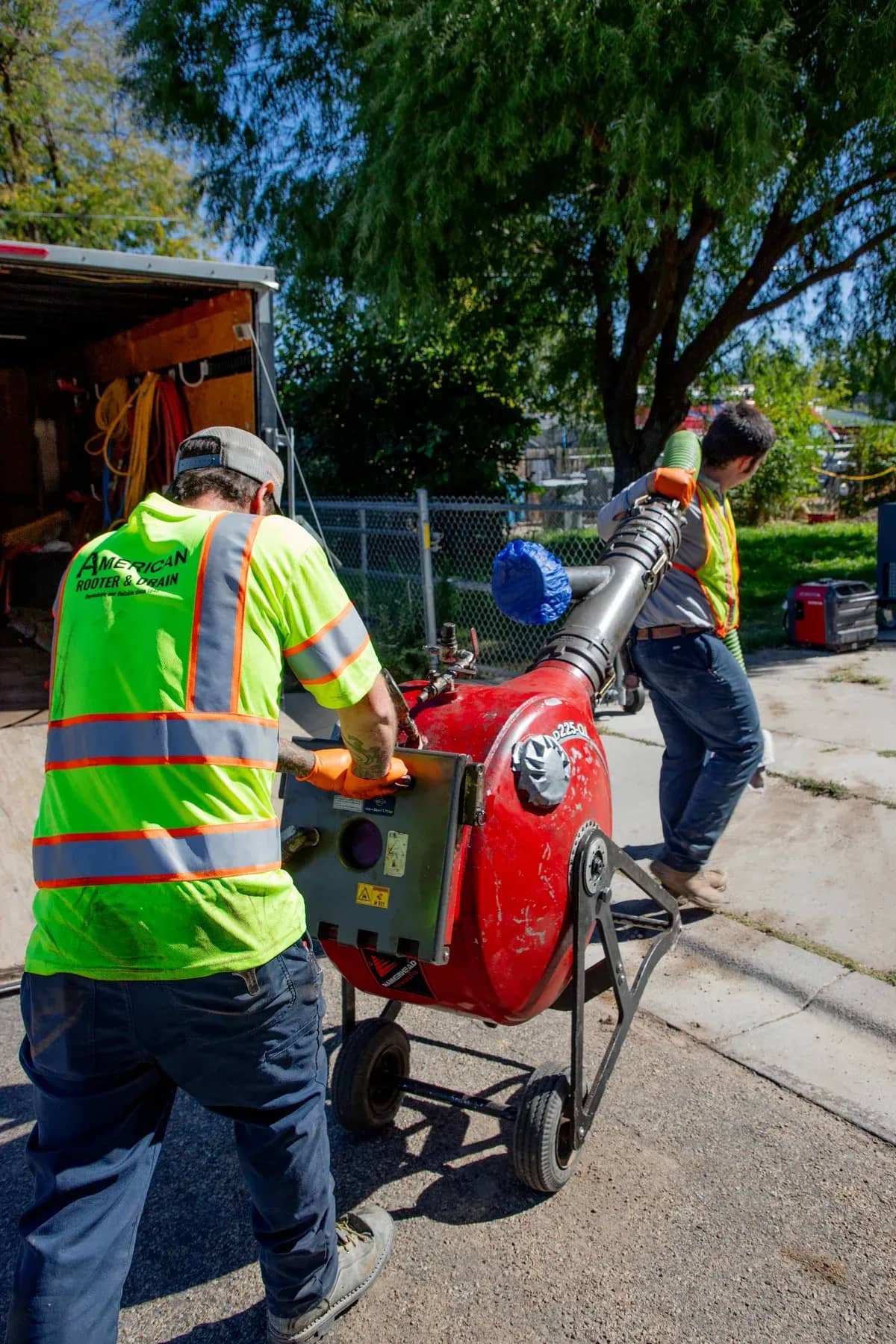
Routine maintenance from a licensed plumber does more than clear a clog — it gives you a full picture of your drain system's health.
- Drain cleaning — Removes buildup before it becomes a full blockage.
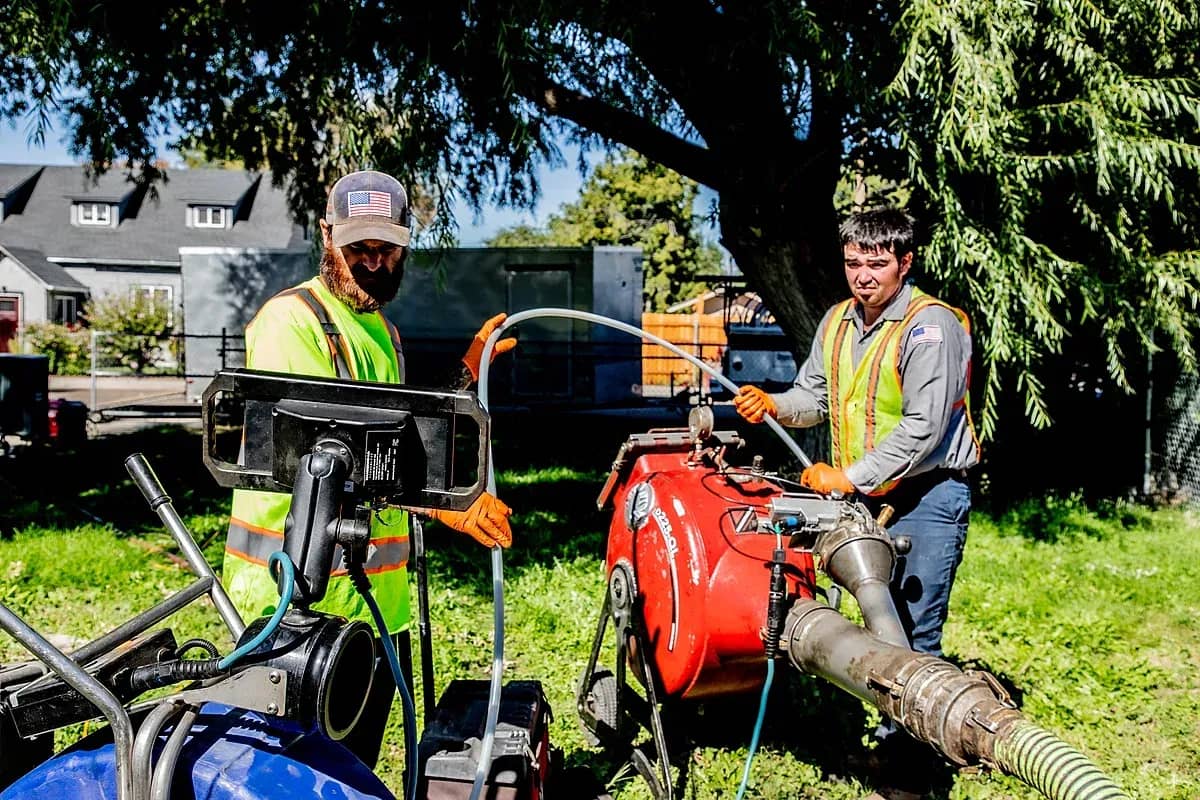
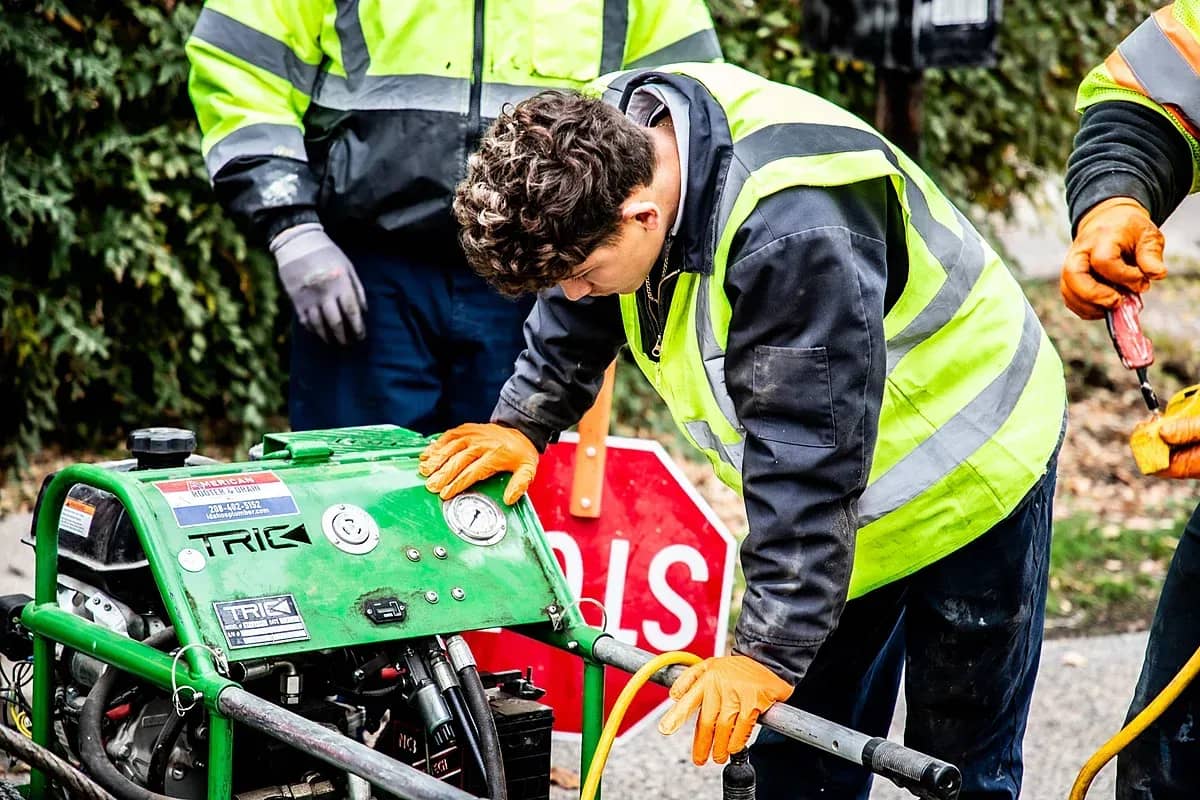
- Hydro jetting — High-pressure water clears grease, scale, and debris from pipe walls without chemicals or damage to the pipe.
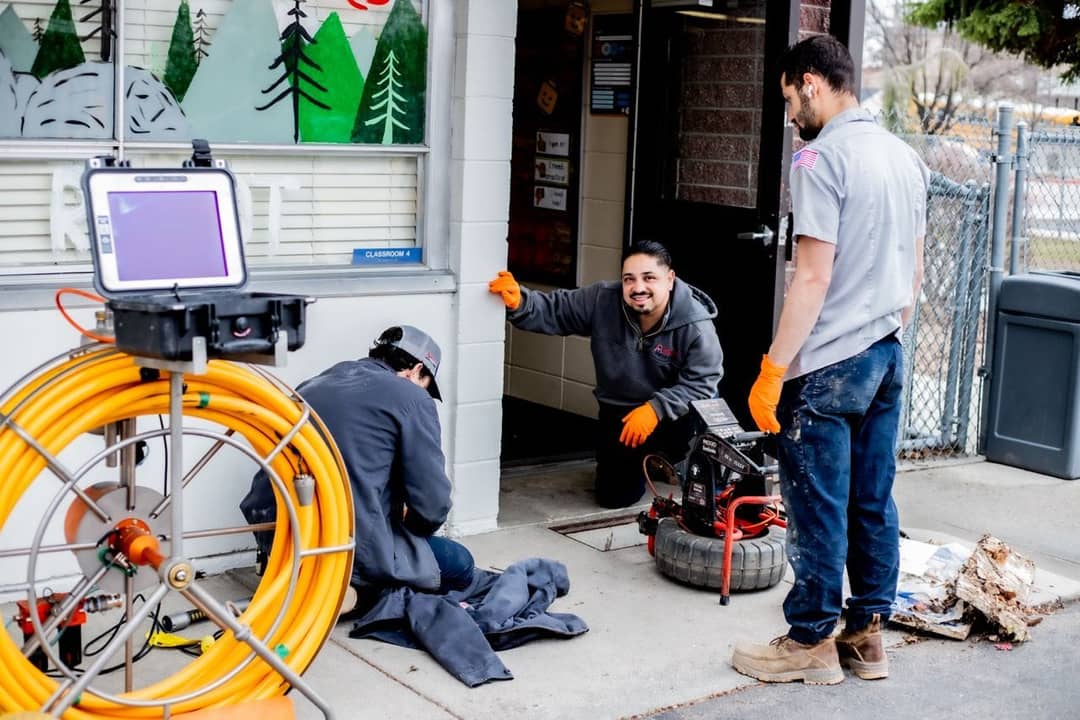
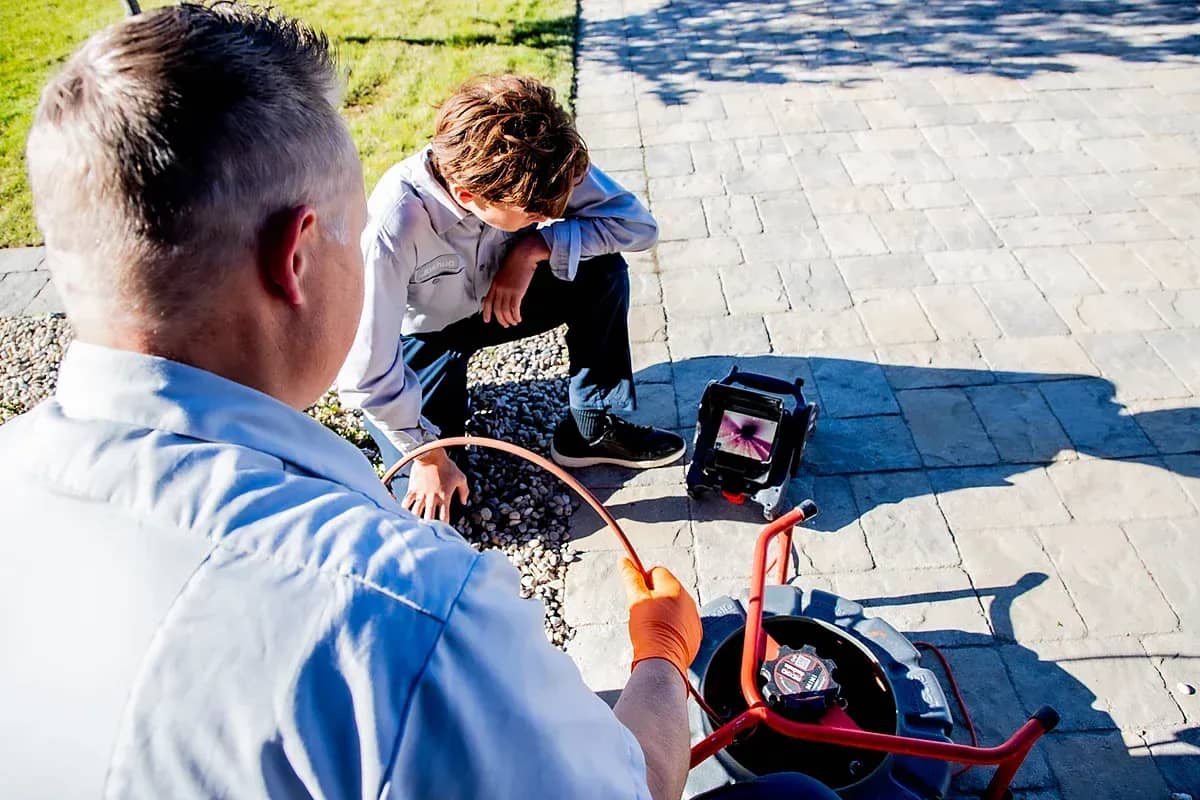
- Sewer camera inspection — A small camera travels your sewer line so we can see exactly what's going on — roots, cracks, buildup — before recommending a repair.
- Trenchless sewer line repair — When a sewer line needs replacing, trenchless methods mean minimal digging and less disruption to your yard.
Scheduling a drain inspection once a year — or any time you notice sluggish drains — is far less expensive than dealing with a sewage backup or a collapsed sewer line.
Have a slow drain, a stubborn clog, or a backup that won't quit? The team at American Rooter & Drain is ready to help homeowners across the Treasure Valley and Eastern Oregon. Call us at (208) 366-5771 or book online — we'll get your drains flowing again.
Frequently asked questions
What commonly causes clogged drains?
Grease and cooking oil that cools and solidifies on pipe walls, hair and soap scum in bathroom drains, non-flushable items like wipes and paper towels, food scraps such as coffee grounds and potato peels, and tree roots infiltrating outdoor sewer lines.
What DIY methods can help with a minor clog?
A plunger to create suction and dislodge a soft blockage, baking soda and vinegar followed by hot water, or a drain snake or auger for deeper clogs that a plunger can't reach.
When should I stop trying DIY fixes and call a plumber?
Call a plumber if water is backing up into multiple fixtures, you notice sewage odors or backup, you hear gurgling sounds, drains are slow throughout the house, or you have burst pipes or sudden flooding.
What professional drain services are available?
Drain cleaning to remove buildup before it becomes a full blockage, hydro jetting to clear grease and debris without chemicals, sewer camera inspection, and trenchless sewer line repair.
How often should I schedule a drain inspection?
Scheduling a drain inspection once a year — or any time you notice sluggish drains — is far less expensive than dealing with a sewage backup or a collapsed sewer line.