When Home Emergencies Can't Wait
Here's a straightforward look at how emergency plumbing and AC repair work, what signs to watch for, and how to reduce the chances of a crisis in the first place.
Common Plumbing Emergencies
Plumbing problems can go from minor annoyance to major damage fast. Emergency plumbers handle situations like:
- Burst or leaking pipes – Water can ruin flooring, walls, and framing within hours. A technician's first step is stopping the flow, then making the repair.
- Severe drain clogs – A blocked drain that backs up into your home needs more than a bottle of drain cleaner. Hydro-jetting or sewer camera inspection finds and clears the real problem.
- Water heater failures – No hot water isn't just inconvenient. A failing water heater can also leak or cause pressure issues that affect other fixtures.
- Sewer line backups – Raw sewage backing up into your home is a health hazard and needs immediate attention.
Signs Your AC Needs Emergency Repair
Treasure Valley summers regularly push past 100°F. When your cooling system fails, it's not just uncomfortable—it can be dangerous for kids, elderly family members, and pets.
Call for urgent AC service if you notice:
- The system stops running entirely – No airflow at all, even though the thermostat is set correctly.
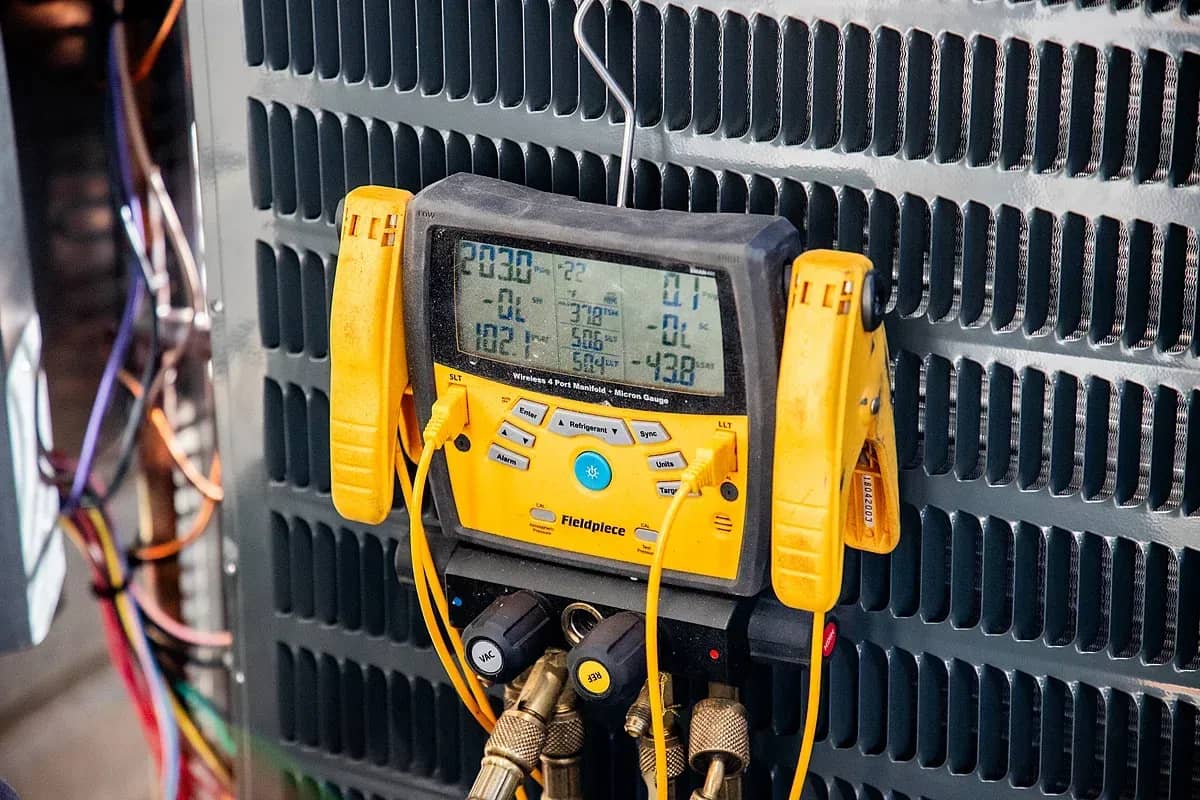
- Warm air blowing from vents – Often a sign of a refrigerant leak or compressor issue.
- Grinding, squealing, or banging sounds – Mechanical problems that worsen quickly if ignored.
- Ice forming on the unit – Usually signals restricted airflow or low refrigerant.
What to Expect When a Tech Arrives
Whether it's a plumber or an HVAC technician, the process follows a consistent path:
1. Assessment – The tech evaluates the full scope of the problem, not just the visible symptom.
2. Clear diagnosis – You'll get a plain-language explanation of what failed and why.
3. Upfront pricing – Know the cost before work begins—no surprise charges at the end.
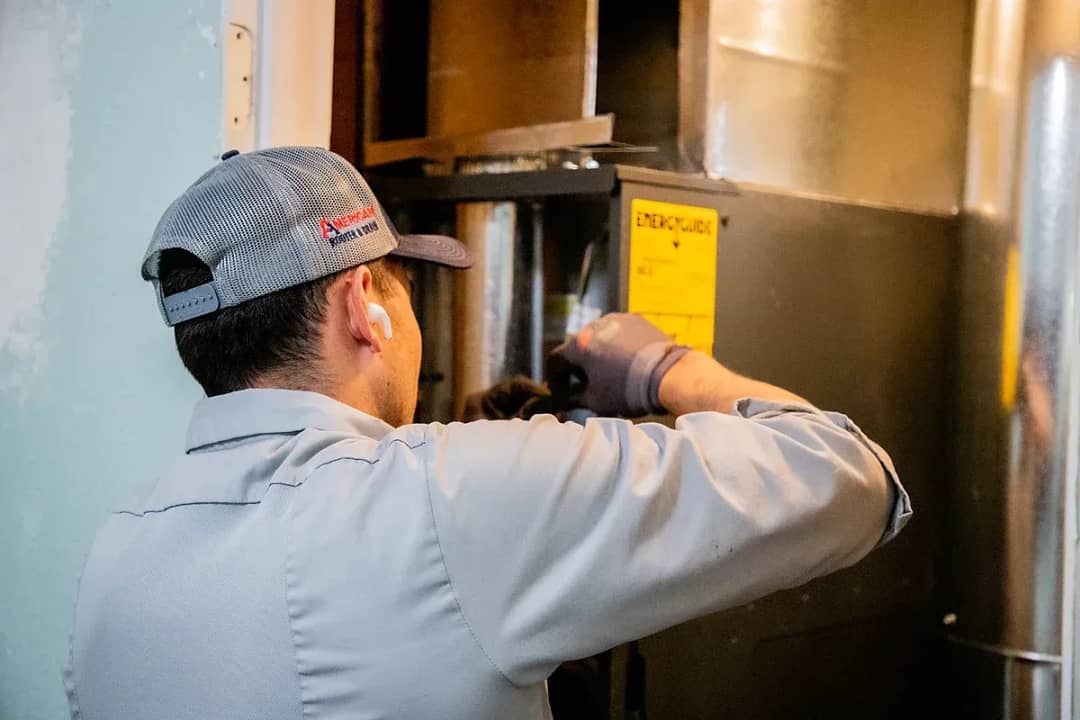
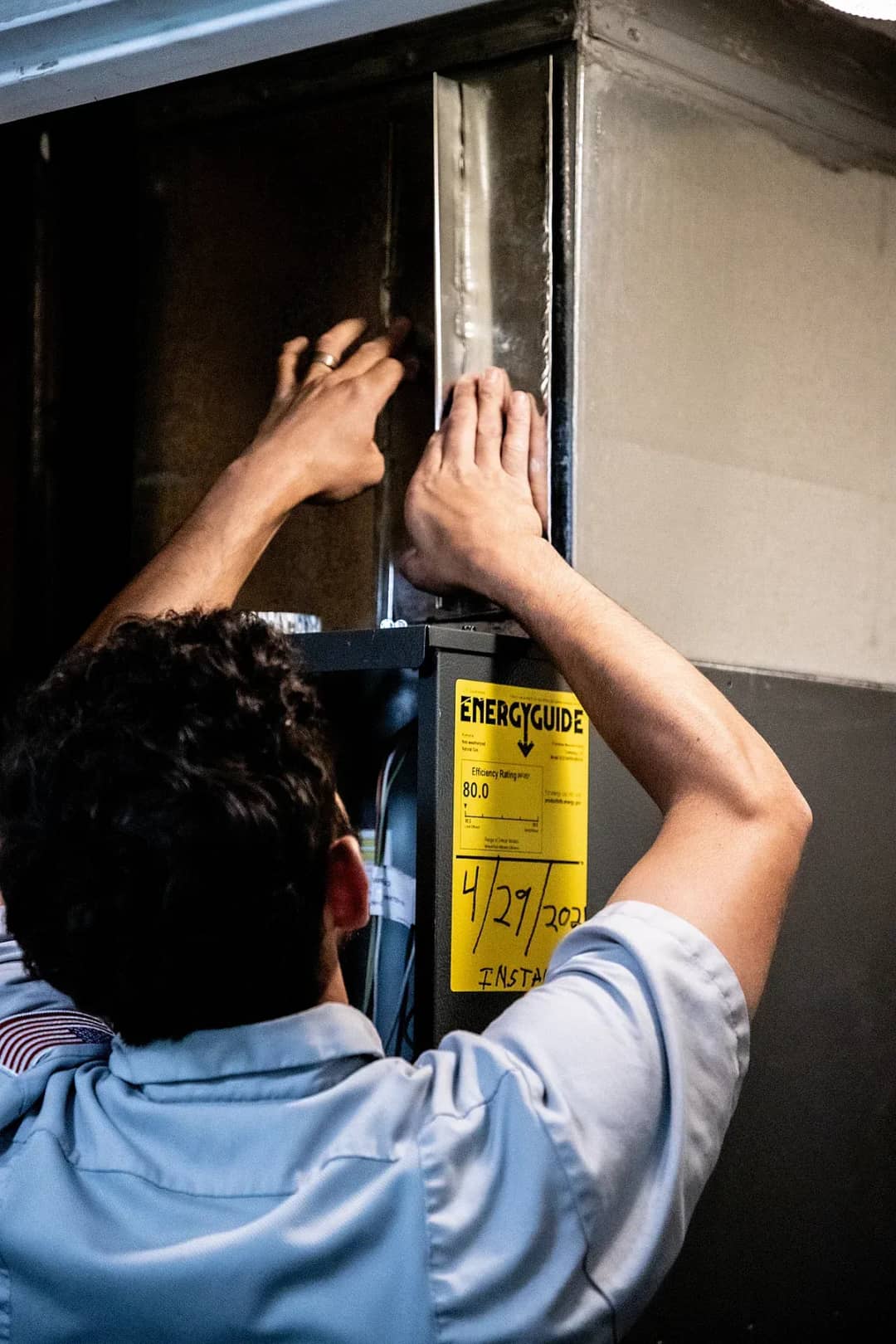
4. Repair and test – After the fix, the system is tested to confirm everything is working correctly before the tech leaves.
Preventive Maintenance Reduces Emergencies
Most plumbing and HVAC emergencies don't come out of nowhere. Regular upkeep catches small problems before they become expensive ones.
Plumbing:
- Inspect under sinks and around appliances periodically for drips or moisture.
- Don't flush wipes, paper towels, or grease down drains.
- Have a plumber check your water heater and main line annually.
AC:
- Change or clean air filters every one to three months.
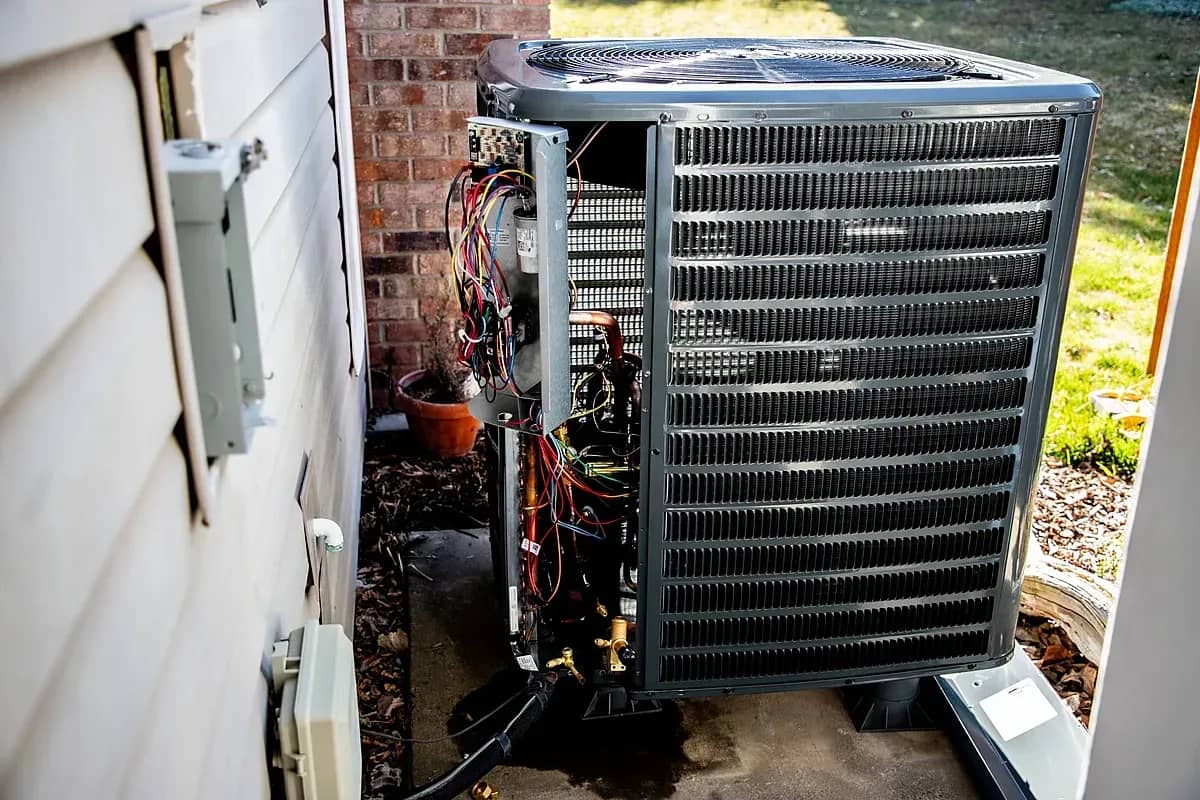
- Keep the outdoor condenser unit clear of debris and vegetation.
- Schedule a tune-up in spring before the heat hits.
Why a Fast Response Matters
Delaying emergency repairs—even by a few hours—can turn a manageable situation into a costly one:
- Standing water from a burst pipe creates mold risk within 24–48 hours.
- A refrigerant leak left running can damage the compressor, turning a moderate repair into a system replacement.
- Sewage backups pose direct health risks to everyone in the home.
Speed matters, but so does doing the job right. The goal is a complete, lasting repair—not just a quick patch.
Serving the Treasure Valley and Eastern Oregon
American Rooter & Drain is a veteran-owned, family-run company serving Boise, Nampa, Meridian, Caldwell, Eagle, Kuna, Mountain Home, Ontario, Nyssa, and communities across the region. Our technicians handle plumbing, heating, cooling, and electrical—so you don't need four different companies when something goes wrong.
Call (208) 366-5771 or book online to schedule service or request urgent help. We're here Monday–Friday 7 am–7 pm and Saturday 8 am–5 pm.
Frequently asked questions
What plumbing issues count as emergencies?
Burst or leaking pipes, severe drain clogs that back up into your home, water heater failures, and sewer line backups.
What signs mean my AC needs emergency repair?
The system stops running entirely with no airflow, warm air blows from the vents, you hear grinding, squealing, or banging sounds, or ice is forming on the unit.
What should I expect when a technician arrives for an emergency call?
An assessment of the full scope of the problem, a clear plain-language diagnosis, upfront pricing before work begins, and a repair followed by testing to confirm everything is working correctly.
Why does a fast response matter for plumbing and AC emergencies?
Standing water from a burst pipe creates mold risk within 24–48 hours, a refrigerant leak left running can damage the compressor and turn a moderate repair into a system replacement, and sewage backups pose direct health risks to everyone in the home.