What Regular HVAC Maintenance Actually Does for You
Better Air Quality Inside Your Home
Dust, allergens, and other airborne irritants accumulate in your ductwork and equipment over time. Routine maintenance addresses this directly:
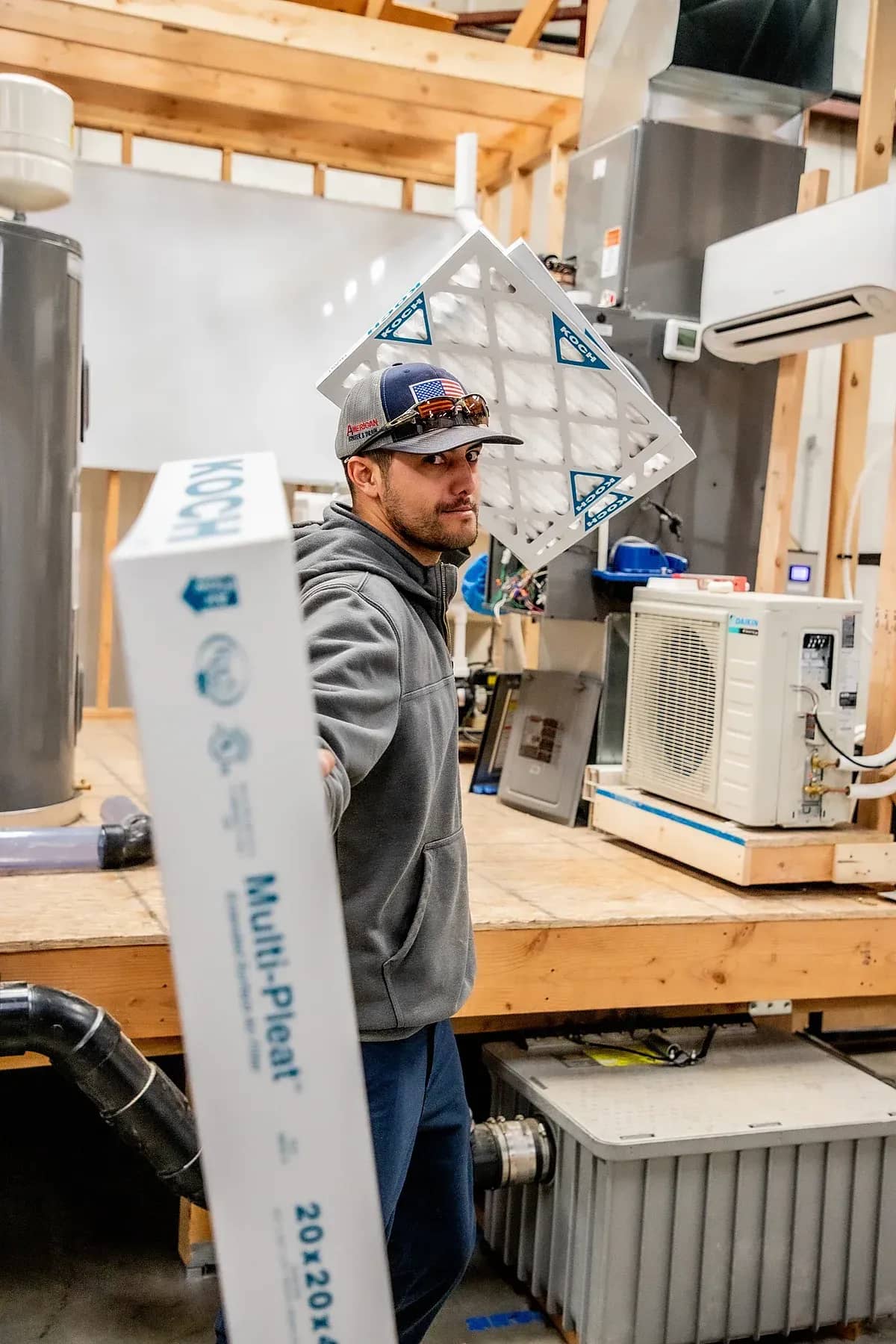
- Air filter changes — dirty filters restrict airflow and push contaminants back into your living space
- Coil and duct cleaning — removes buildup that degrades indoor air quality
- System inspection — confirms air is circulating freely throughout the home
For households with allergy sufferers or young children, clean air isn't a luxury — it's a health issue.
Real Cost Savings Over Time
A well-maintained HVAC system runs more efficiently, which shows up directly on your utility bill. More importantly, a technician catching a worn-out component during a tune-up costs far less than an emergency repair — or a full system replacement — in the middle of August or January.
Consistent maintenance helps you:
- Avoid after-hours emergency service calls
- Catch refrigerant leaks, failing capacitors, and cracked heat exchangers early
- Keep your system running at peak efficiency so it isn't overworking (and overcharging you)
Extended System Lifespan
Most furnaces and air conditioners are built to last 15–20 years — but only when they're properly cared for. Neglect accelerates wear on motors, belts, electrical connections, and heat exchangers. Regular tune-ups keep all those components functioning correctly, so you're not replacing a system years before you should have to.
How Often Should You Schedule Maintenance?
At minimum, once a year. The ideal timing:
- Spring — AC tune-up before cooling season begins
- Fall — Furnace or heat pump inspection before you fire up the heat
Scheduling during these shoulder seasons means more flexible appointment windows and a system that's ready before the weather demands it. If your equipment is older or has had issues in the past, twice-yearly visits are worth considering.
What a Maintenance Visit Covers
Air Conditioner Tune-Up
- Clean or replace air filter
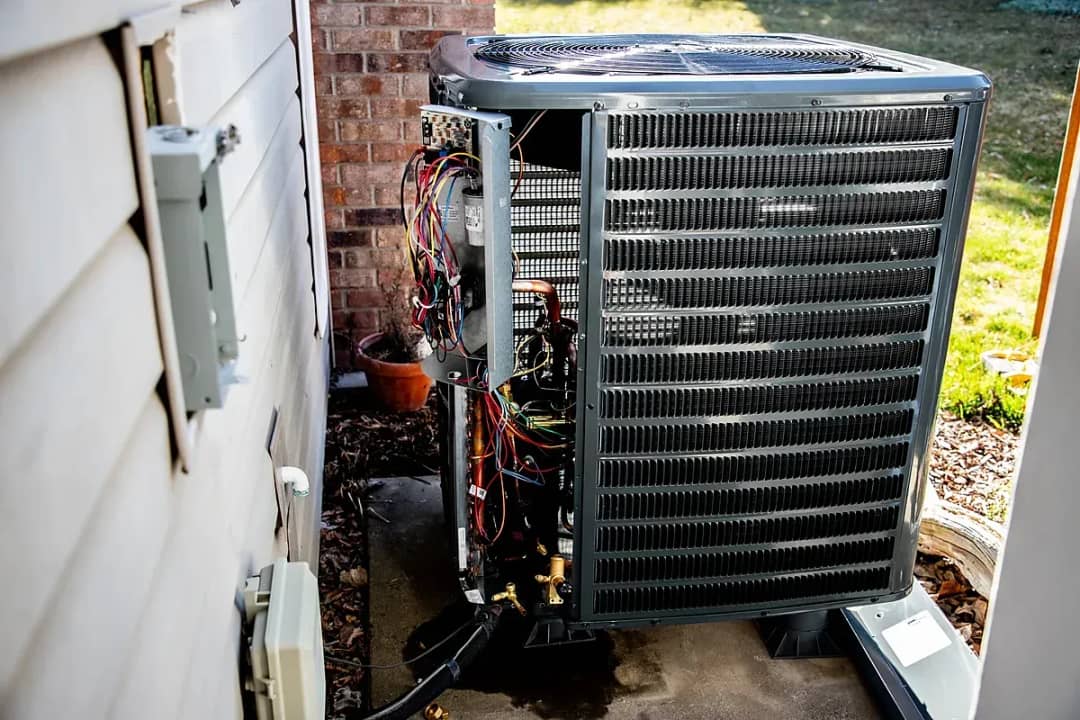
- Inspect and clean condenser coils
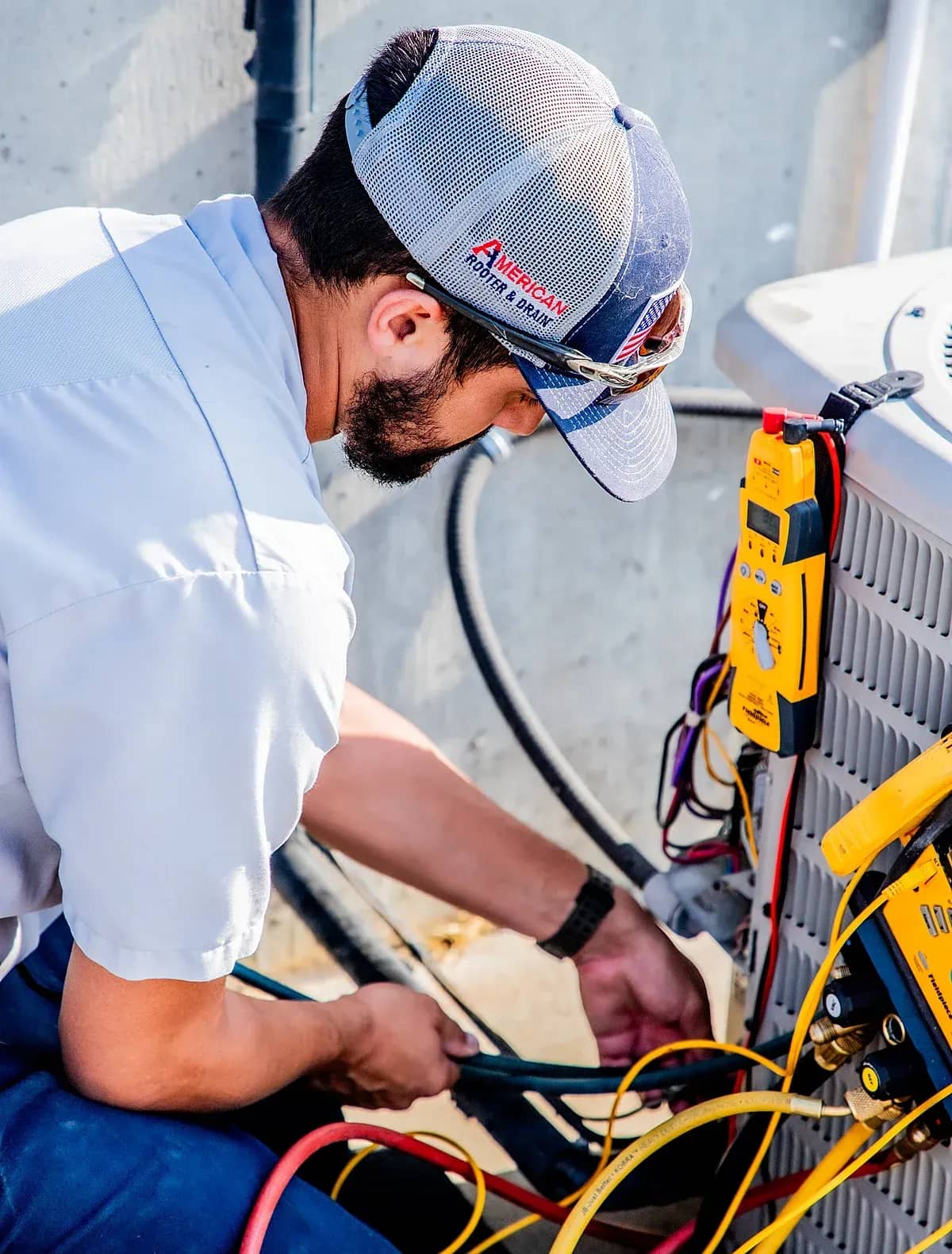
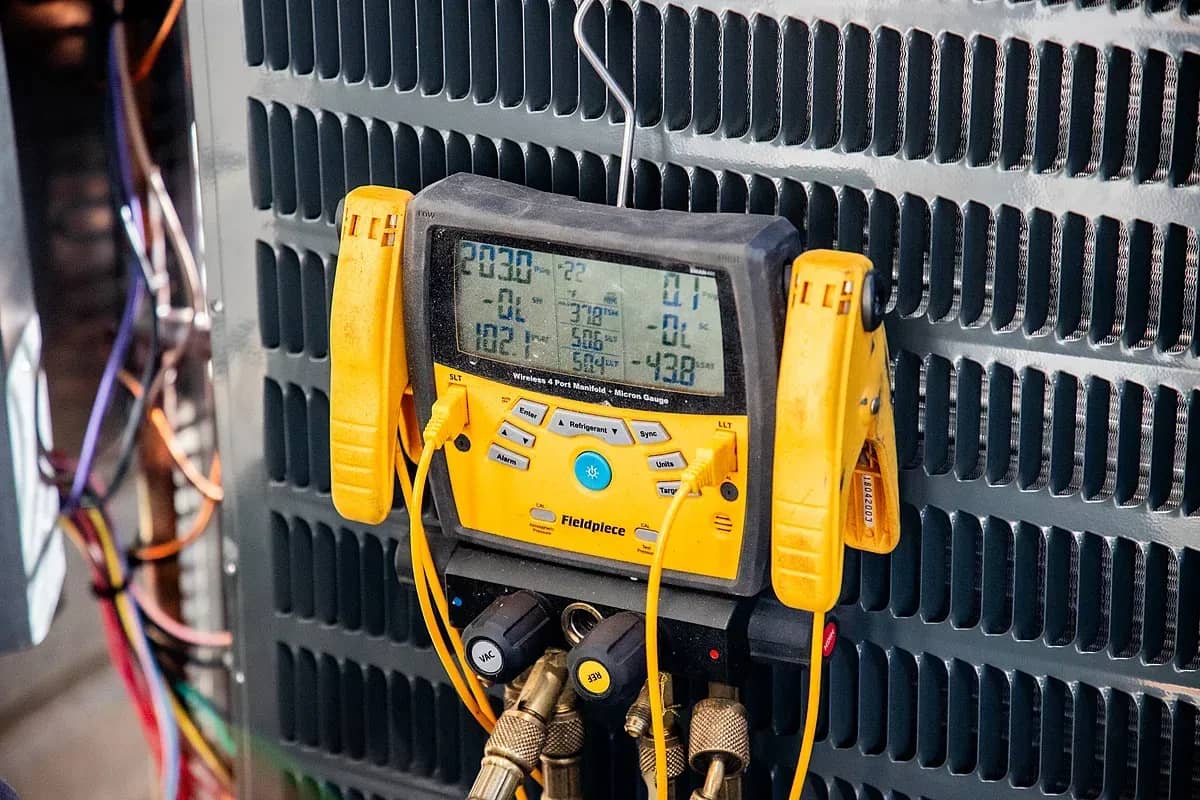
- Check refrigerant charge
- Test electrical connections and components
- Verify thermostat accuracy
Furnace Tune-Up
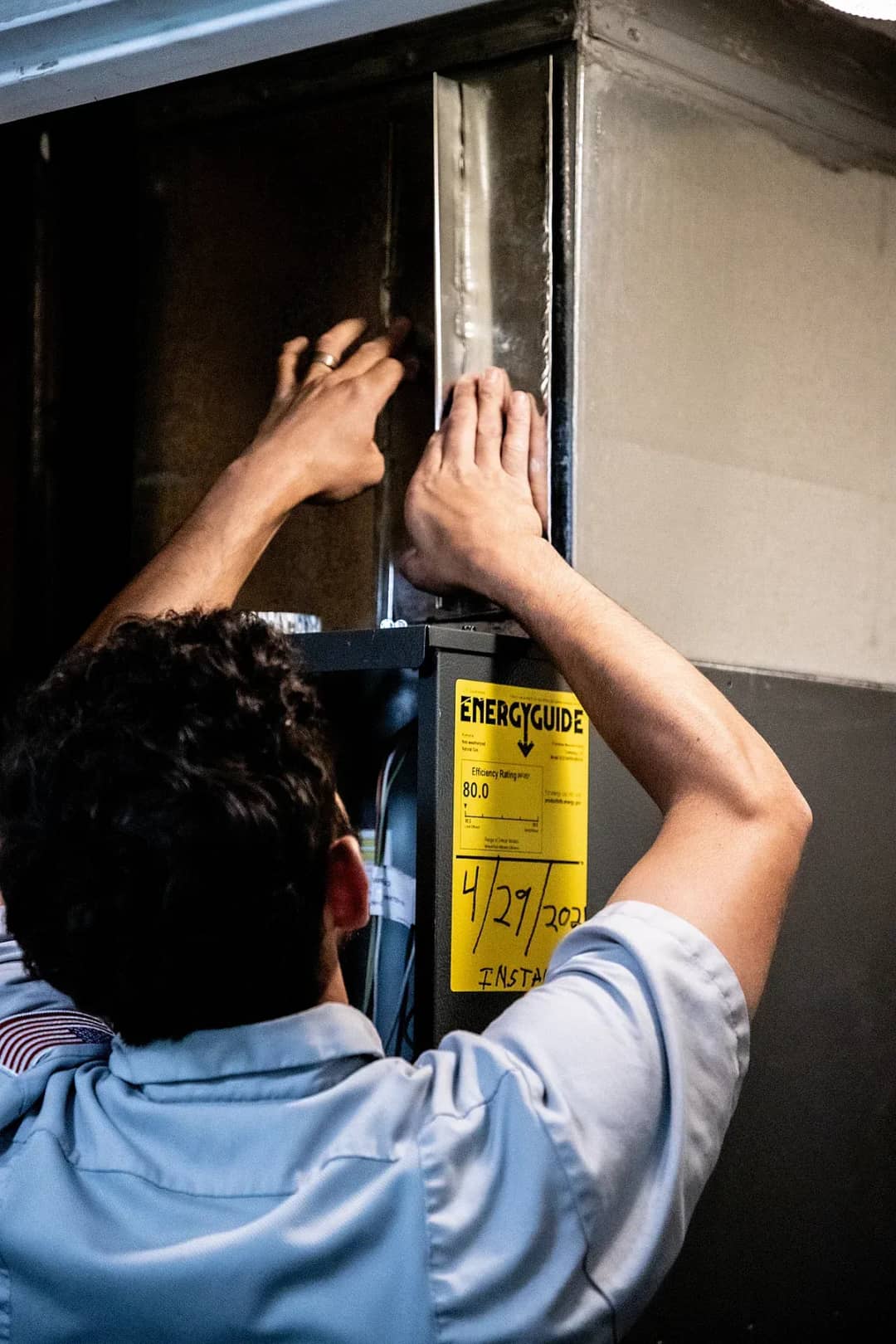
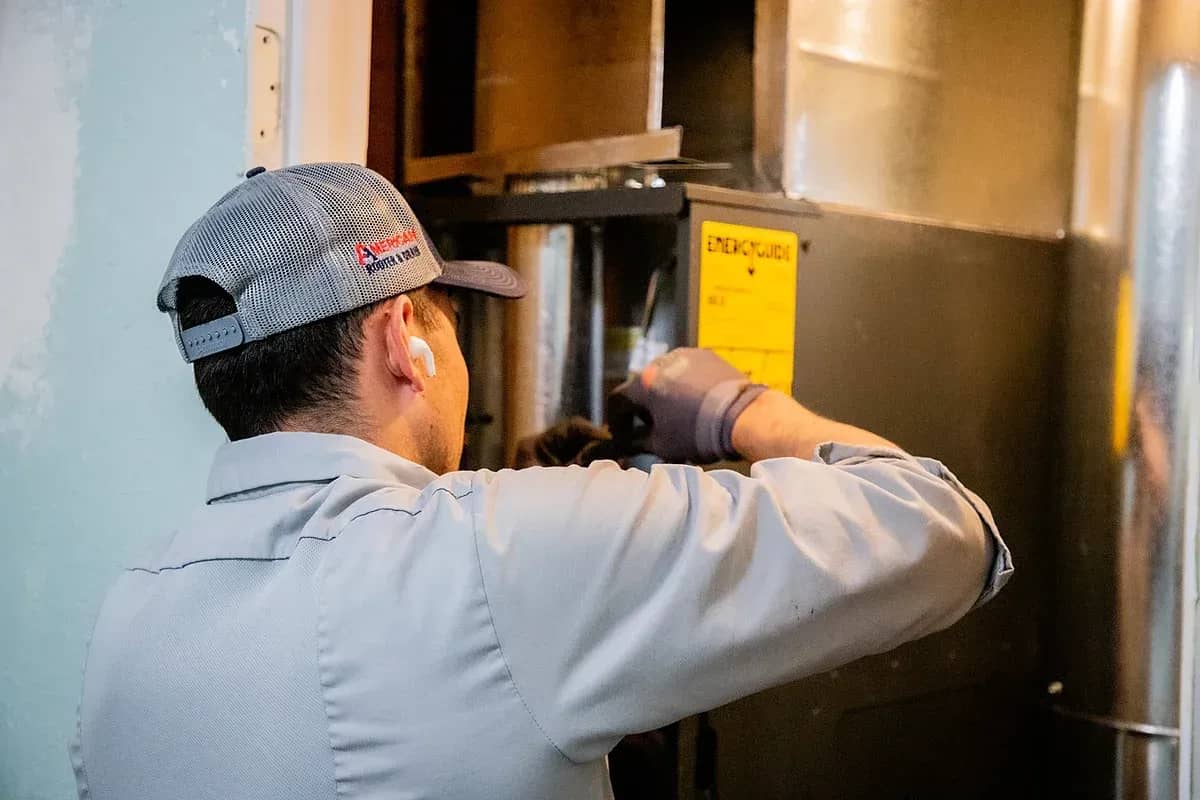
- Inspect heat exchanger for cracks
- Clean burners
- Test blower motor operation
- Check all safety controls
- Confirm thermostat is reading and responding correctly
Ductwork Inspection
Technicians check for leaks, blockages, and airflow restrictions. Leaky ducts can waste a significant portion of your conditioned air before it ever reaches a room — a problem that's easy to miss without a professional eye.
Warning Signs Your System Needs Attention Now
Don't wait for a breakdown. Call for service if you notice:
- Unusual noises — banging, squealing, or rattling from any part of the system
- Weak or uneven airflow — some rooms much hotter or cooler than others
- Unexplained spike in energy bills — your system may be working overtime to compensate for a problem
- Short cycling — the unit kicks on and off more frequently than normal
- Strange odors — musty smells can indicate mold; a burning smell warrants immediate attention
- Furnace won't start or keep running — especially concerning heading into winter
Catching these early keeps a minor repair from turning into a major one.
Schedule Your HVAC Tune-Up with American Rooter & Drain
American Rooter & Drain is a veteran-owned, family-run company serving the Treasure Valley and Eastern Oregon. Our technicians handle furnace tune-ups, AC maintenance, heat pump service, and everything in between — so your home stays comfortable no matter the season.
Call us at (208) 366-5771 or book online to schedule your HVAC maintenance visit today.
Frequently asked questions
How often should I schedule HVAC maintenance?
At minimum, once a year — ideally an AC tune-up in spring before cooling season begins and a furnace or heat pump inspection in fall before you fire up the heat. If your equipment is older or has had issues in the past, twice-yearly visits are worth considering.
What does an air conditioner tune-up cover?
Cleaning or replacing the air filter, inspecting and cleaning condenser coils, checking refrigerant charge, testing electrical connections and components, and verifying thermostat accuracy.
What does a furnace tune-up cover?
Inspecting the heat exchanger for cracks, cleaning burners, testing blower motor operation, checking all safety controls, and confirming the thermostat is reading and responding correctly.
What warning signs mean my HVAC system needs attention now?
Unusual noises like banging, squealing, or rattling, weak or uneven airflow, an unexplained spike in energy bills, short cycling, strange odors, or a furnace that won't start or keep running.