Why Plumbing Problems Show Up After Winter
Here's what to watch for and what to do about it.
1. Leaking Pipes
When water freezes inside a pipe, it expands. That expansion can crack the pipe or weaken a joint. Once temperatures warm up, those cracks start leaking.
Common signs:
- Water stains on walls or ceilings
- Damp or musty cabinets under sinks
- A water bill that's higher than usual with no clear reason
What to do: Shut off the water supply if you see active leaking, then call a plumber to inspect and repair the damaged section. Patching a visible drip without checking the full line often misses the real problem.
2. Tree Root Intrusion in Sewer Lines
Tree roots are opportunists. They follow moisture, and sewer lines carry plenty of it. During spring, root growth accelerates — and roots can work their way into your sewer line through small cracks, loose joints, or aging pipe connections.
Signs of root intrusion:
- Drains that are slow throughout the house (not just one fixture)
- Gurgling sounds from toilets or floor drains
- Recurring clogs that keep coming back after clearing
Left alone, roots don't stop growing. A partial blockage becomes a full blockage, and a full blockage can back sewage up into your home.
3. Five Signs Your Sewer Line Was Damaged Over Winter
Sewer lines buried in Idaho's clay-heavy soils take a beating during freeze-thaw cycles. Ground movement can crack pipes, shift joints, and cause sections to sag. Watch for these warning signs:
1. Multiple slow drains throughout the house at the same time
2. Sewage odors indoors or in the yard
3. Water pooling in the yard with no obvious source
4. Frequent backups in toilets or floor drains
5. An unusually green or lush patch of grass over the sewer line
If you're seeing any combination of these, a sewer camera inspection will tell you exactly what's going on underground — before you're dealing with a full backup.
4. Slow Drains: What's Behind Them
Slow drains are one of the most common calls we get in spring. They rarely have just one cause:
- Grease and debris that built up over winter
- Mineral deposits from hard water narrowing the pipe
- Tree root growth partially blocking the line
- Pipe damage from freezing that's collapsed or misaligned a section
A slow drain is easy to ignore — until it stops draining entirely. Addressing it early is far cheaper than dealing with a backup or a damaged sewer line.
Why Early Action Saves Money
Spring plumbing problems follow a predictable pattern: a small crack becomes a big leak, a slow drain becomes a blocked sewer, a few roots become a full obstruction. The repairs get more expensive at every stage.
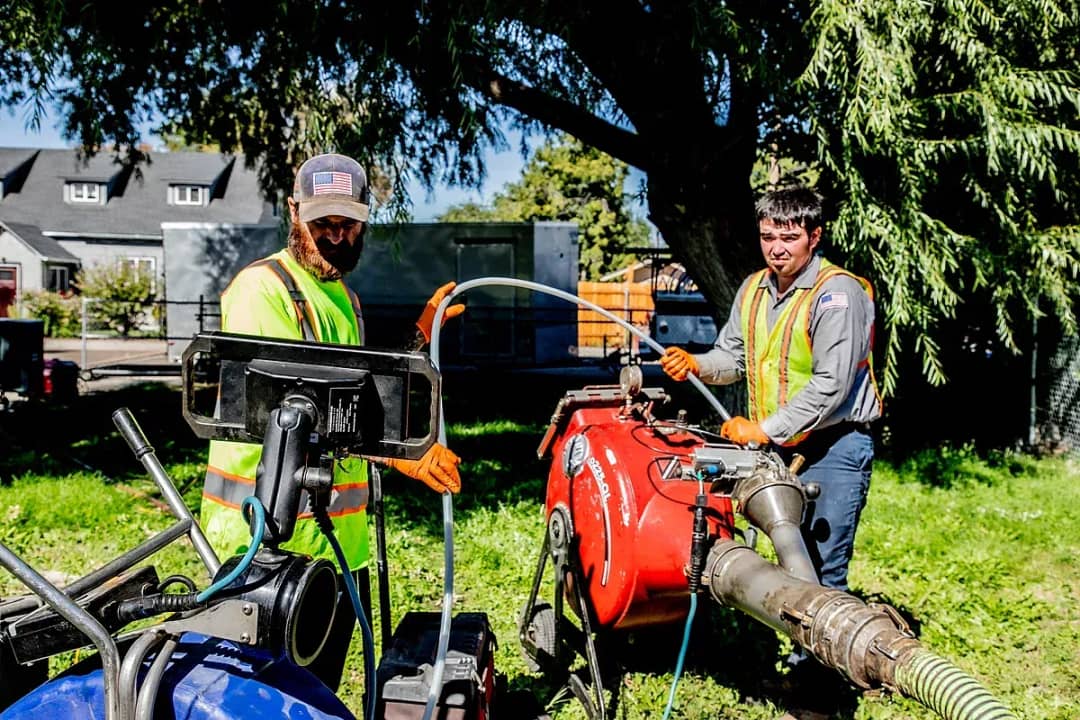
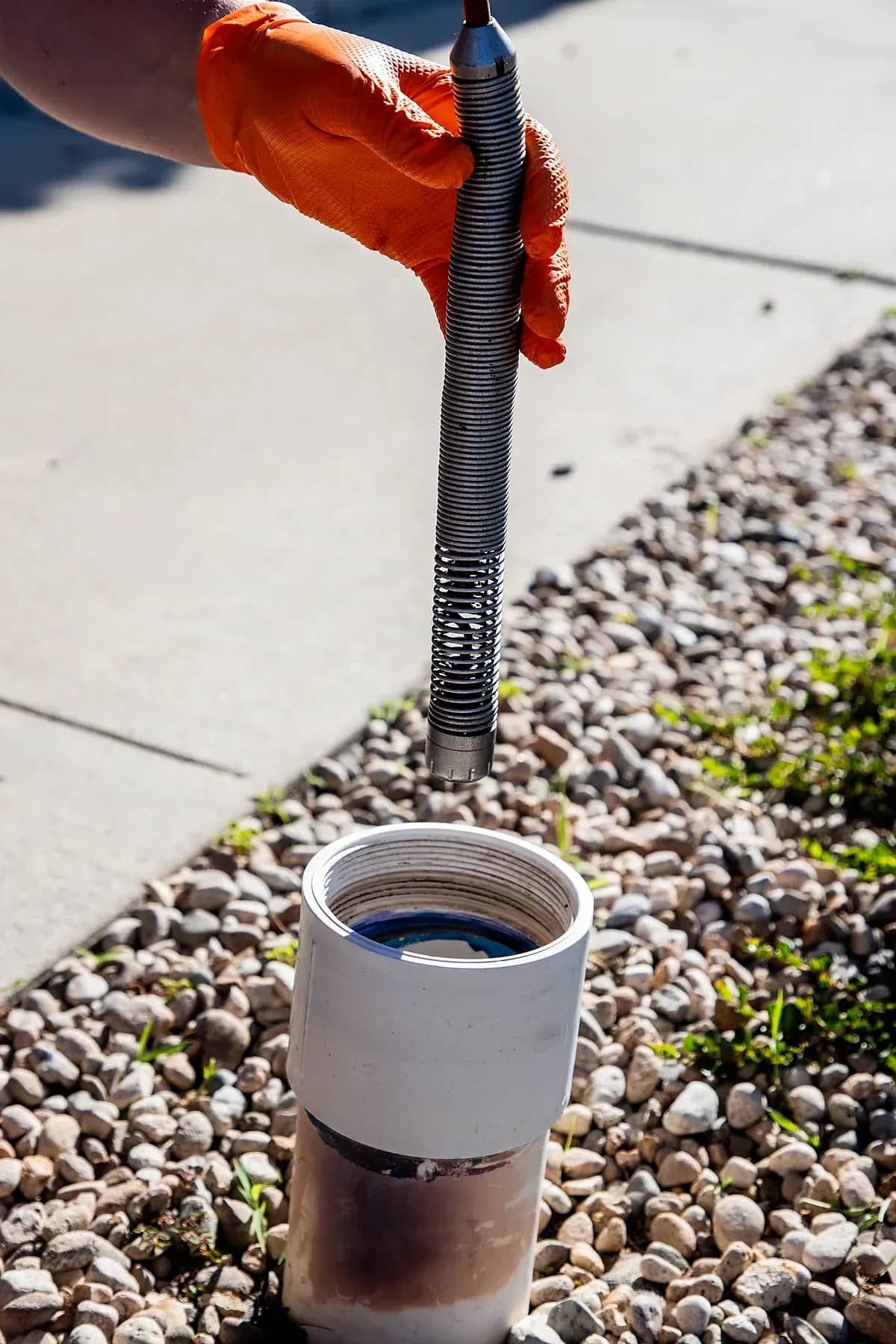
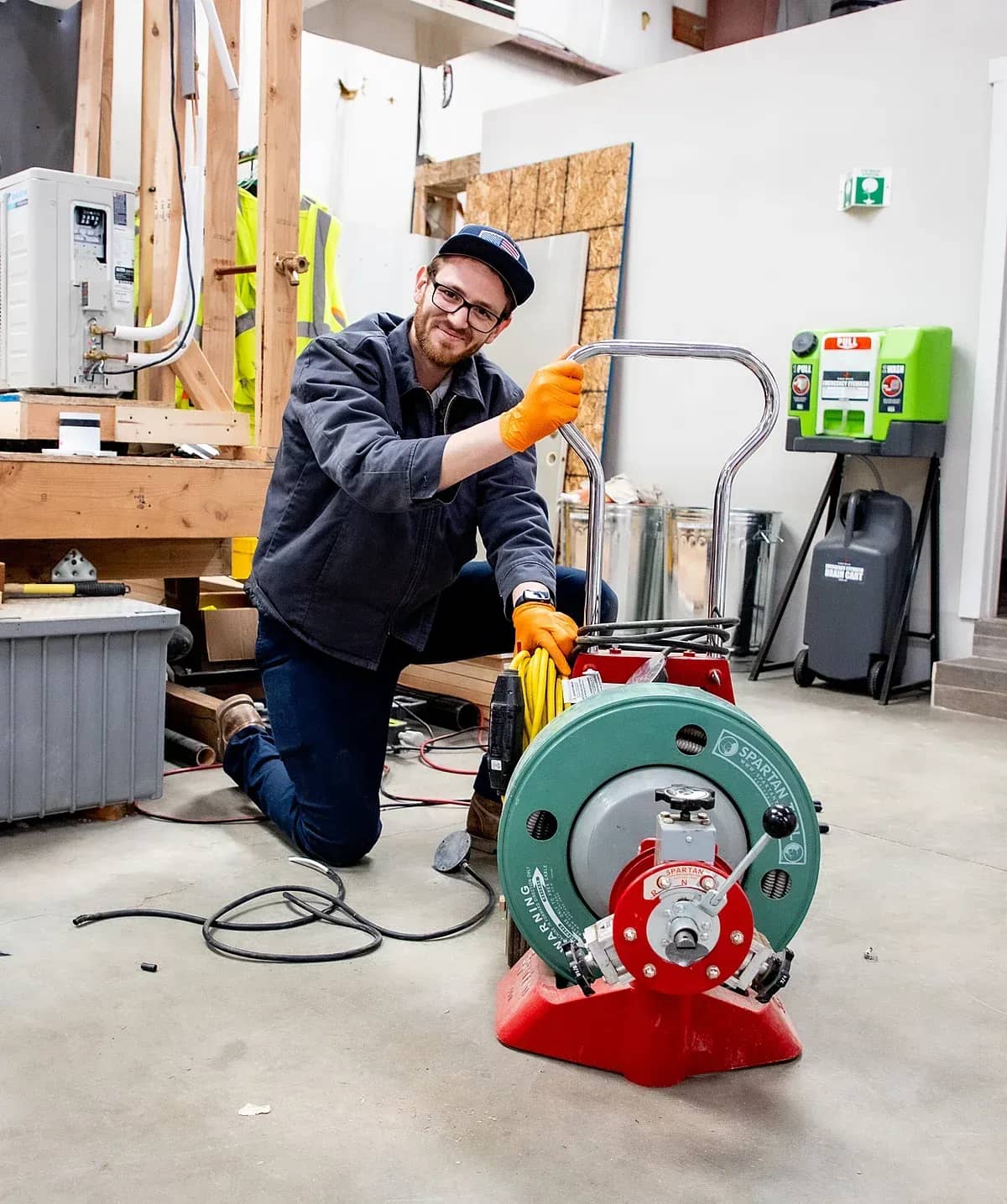
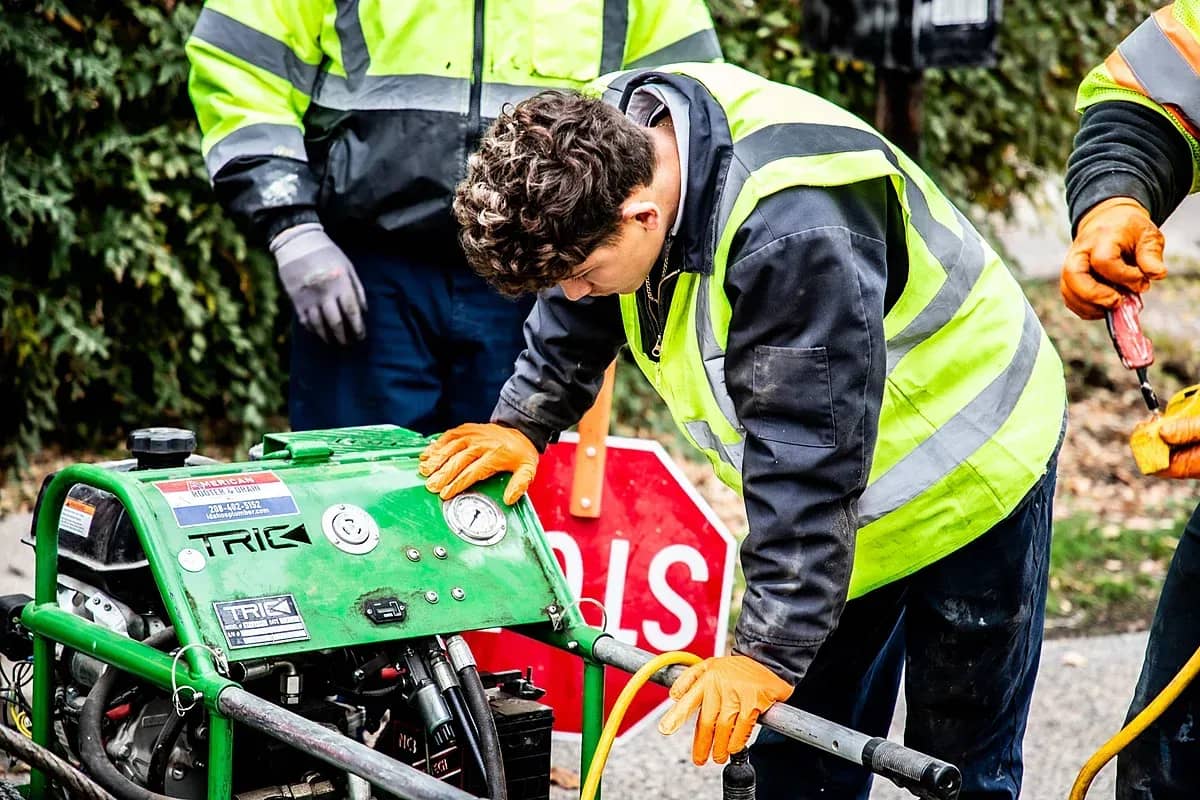
Professional drain cleaning, sewer camera inspections, and root removal can catch these issues while they're still straightforward fixes. DIY drain treatments may clear a symptom temporarily, but they rarely address the underlying cause.
Stay Ahead with a Maintenance Plan
Spring is a smart time to schedule a plumbing checkup. With an American Premium Membership, you get priority scheduling, routine inspections, and exclusive discounts — so you're not scrambling when something goes wrong.
If you're noticing leaks, slow drains, gurgling pipes, or any of the other warning signs above, don't wait for the problem to grow. Call American Rooter & Drain at (208) 366-5771 or book online to schedule your spring plumbing inspection.
Frequently asked questions
Why do plumbing problems tend to show up after winter?
Frozen ground shifts and pipes crack under the pressure of expanding ice, and tree roots kick into high gear the moment the soil warms up in spring — turning small, overlooked problems into expensive repairs.
What are the signs of tree root intrusion in a sewer line?
Signs include drains that are slow throughout the house (not just one fixture), gurgling sounds from toilets or floor drains, and recurring clogs that keep coming back after clearing.
What are the signs my sewer line was damaged over winter?
Watch for multiple slow drains throughout the house at the same time, sewage odors indoors or in the yard, water pooling in the yard with no obvious source, frequent backups in toilets or floor drains, and an unusually green or lush patch of grass over the sewer line.
What typically causes slow drains in spring?
Slow drains can stem from grease and debris that built up over winter, mineral deposits from hard water, tree root growth partially blocking the line, or pipe damage from freezing that's collapsed or misaligned a section.
Do DIY drain treatments fix the underlying problem?
Not usually — DIY drain treatments may clear a symptom temporarily, but they rarely address the underlying cause. Professional drain cleaning, sewer camera inspections, and root removal can catch these issues while they're still straightforward fixes.