
Idaho's harsh seasonal temperature swings and shifting soils only accelerate the breakdown of worn systems. Here's what our licensed technicians commonly find in older Caldwell, Nampa, Meridian, Boise, Kuna, Star, Eagle, and surrounding area homes — and what to do about it.
Common Plumbing Problems
1. Aging Pipes and Corrosion
Many older homes were built with galvanized steel, polybutylene, or cast iron pipes. These materials corrode and deteriorate over time, leading to:
- Low water pressure
- Rust-colored or discolored water
- Pinhole leaks inside walls and under slabs
- Failing joints and fittings
2. Sewer Line Damage and Root Intrusion
Mature trees and shrubs are beautiful — until their roots find a hairline crack in your sewer line. Once inside, roots expand and cause serious blockages. Watch for:
- Slow or recurring drain clogs throughout the house
- Gurgling sounds from toilets
- Sewage odors indoors or in the yard
A sewer camera inspection is the only reliable way to know what's happening underground without digging.
3. Hidden Leaks and Water Damage
Slow leaks inside walls or under floors can go unnoticed for years. Soft spots in flooring, water stains on ceilings, and a persistent musty smell are all red flags worth investigating immediately.
Common HVAC Problems
1. Inefficient, Aging Equipment
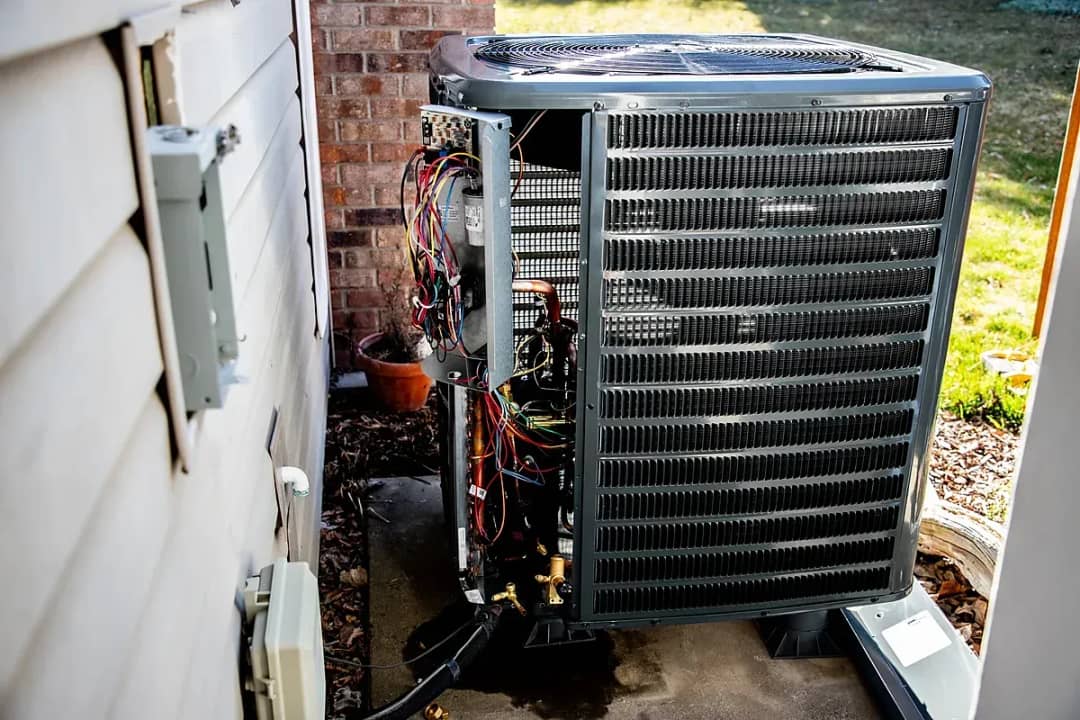
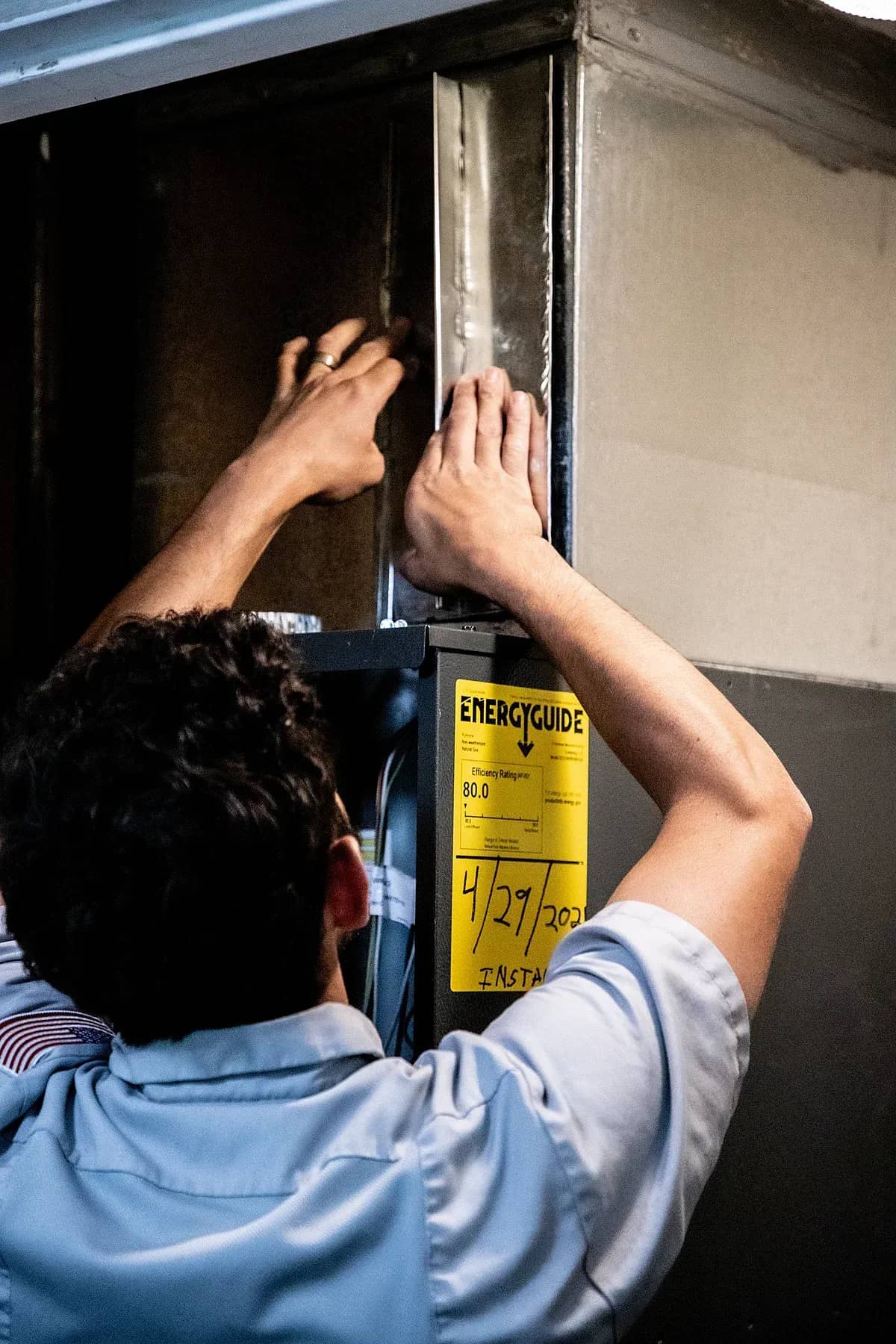
Older furnaces and air conditioners work harder to move less air. That translates directly into higher energy bills and more frequent breakdowns — especially during Idaho's coldest winters and hottest summers.
2. Leaking or Clogged Ductwork
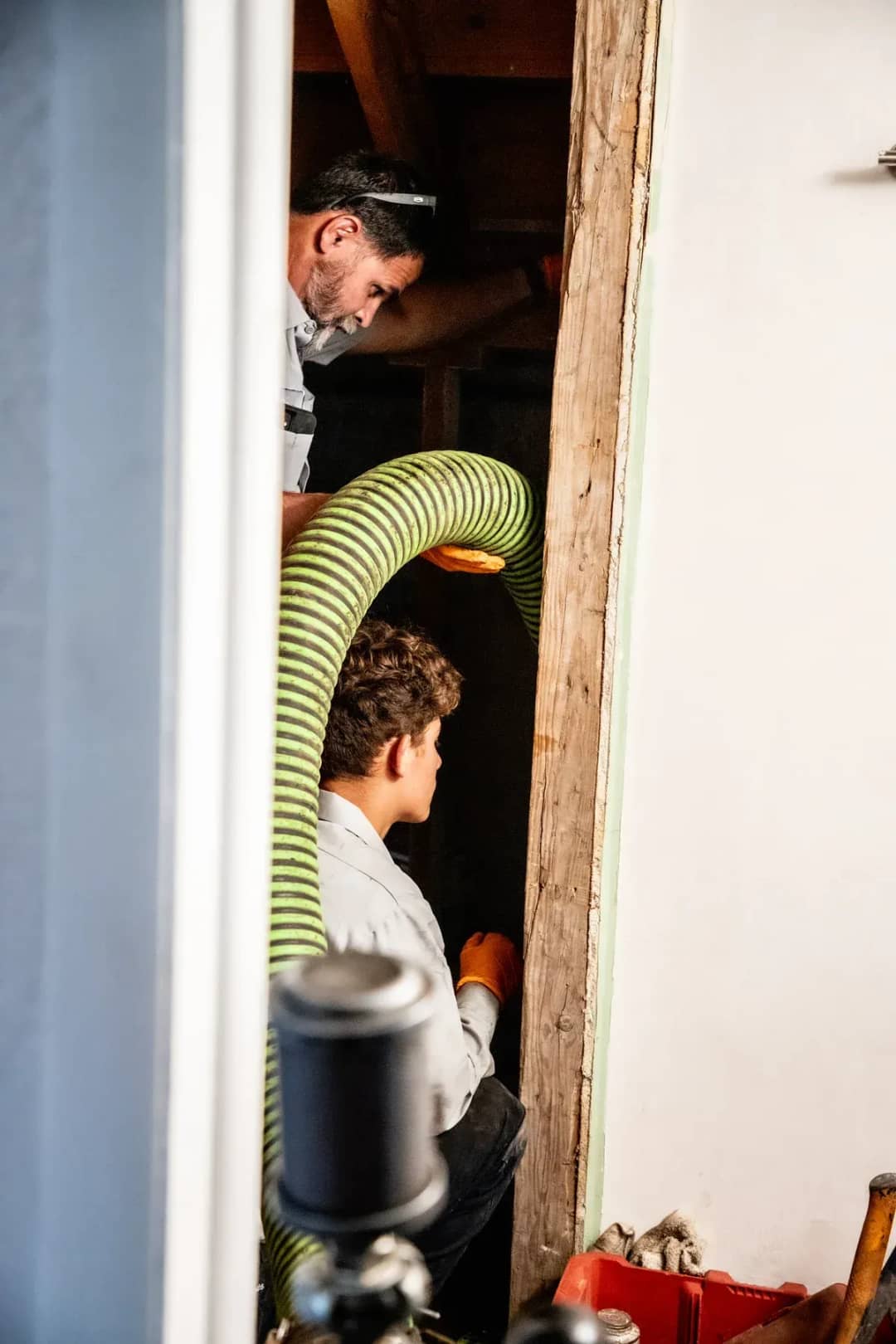
Ductwork in older homes can develop leaks, sag, or accumulate years of dust and allergens. Poor airflow means uneven temperatures room to room and reduced indoor air quality — a real concern for anyone with allergies or respiratory sensitivities.
3. Deferred Maintenance
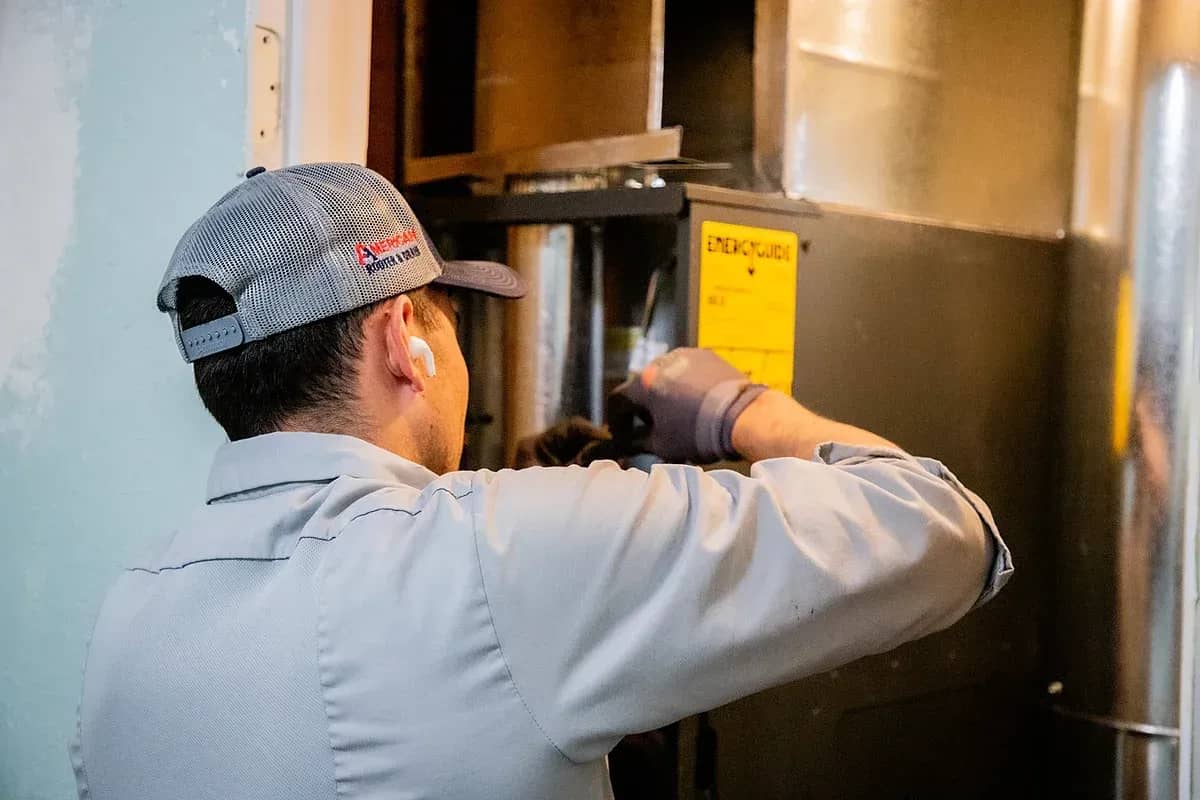
Skipped tune-ups compound over time. A system that hasn't been serviced regularly is far more likely to fail at the worst possible moment and may pose health risks, including carbon monoxide concerns with older furnaces.
Common Electrical Problems
1. Outdated Wiring
Knob-and-tube wiring (common in pre-1950s homes) and aluminum wiring (popular in the 1960s–70s) were not designed for today's electrical loads and carry elevated fire risk. If your home still has either, a licensed electrician should evaluate it.
2. Overloaded Circuits
Modern households run significantly more devices and appliances than older electrical systems were built to handle. Overloaded circuits trip breakers repeatedly — or worse, overheat silently inside the wall.
3. Undersized Panels
A 60-amp or 100-amp panel that made sense decades ago is often no longer adequate. Signs include constantly tripped breakers, limited outlet availability, and an inability to support major appliances or EV chargers.
Warning Signs Your Home Systems Need Attention
- Frequent drain backups or sewage odors
- Steadily rising water or energy bills without explanation
- Uneven heating or cooling throughout the home
- Flickering lights or frequently tripped breakers
- Rust-colored water or low water pressure
- Musty smells or unexplained damp spots
How American Rooter & Drain Can Help
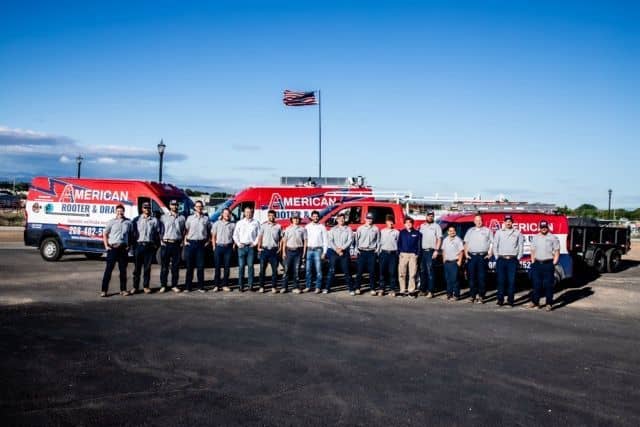
Our licensed plumbing, HVAC, and electrical technicians serve the Treasure Valley and Eastern Oregon with honest diagnostics and long-term solutions — not band-aid fixes. We offer:
- Whole-home plumbing, HVAC, and electrical inspections
- Sewer camera inspections to see exactly what's happening underground
- Preventative maintenance plans (ask about our American Premium Membership for priority service and savings)
- Targeted repairs vs. full replacement — we recommend only what you actually need
- System upgrades to bring aging infrastructure up to modern standards
Don't wait for a failed pipe or a dead furnace to force your hand. Getting ahead of these issues protects your investment and keeps your family safe and comfortable year-round.
Ready to find out what's really going on in your older home? Call us at (208) 366-5771 or book online to schedule an inspection with American Rooter & Drain.
Frequently asked questions
What plumbing problems are common in older Idaho homes?
Older homes often have aging pipes made of galvanized steel, polybutylene, or cast iron that corrode over time, along with sewer line damage from tree root intrusion and hidden leaks behind walls or under floors.
What electrical issues show up in older homes?
Common issues include outdated knob-and-tube or aluminum wiring, overloaded circuits that trip breakers repeatedly, and undersized panels — 60-amp or 100-amp — that can't support modern appliances or EV chargers.
What HVAC problems are common in older homes?
Older, inefficient equipment works harder and drives up energy bills, ductwork can leak or accumulate dust and allergens over time, and deferred maintenance increases the risk of failure and carbon monoxide concerns in older furnaces.
What warning signs mean my older home's systems need attention?
Watch for frequent drain backups or sewage odors, steadily rising water or energy bills, uneven heating or cooling, flickering lights or tripped breakers, rust-colored water or low water pressure, and musty smells or damp spots.
How can I find out what's going on underground in an older home's sewer line?
A sewer camera inspection is the only reliable way to know what's happening underground without digging.