

Start With Your Home's Actual Heating and Cooling Needs
No two homes are the same. Square footage, ceiling height, insulation quality, and window placement all affect how much heating and cooling capacity you need. A system that's undersized will run constantly and still leave you uncomfortable; an oversized unit short-cycles, wastes energy, and wears out faster.
Before any equipment is selected, a qualified technician should perform a Manual J load calculation — the industry-standard method for sizing HVAC equipment to your specific home. Don't let anyone skip that step.
Other factors worth considering:
- Number of occupants and daily activity level
- How well your home is currently insulated and air-sealed
- Whether you have existing ductwork in good condition
- Sun exposure and which rooms tend to run hot or cold
Energy Efficiency Matters Here
Idaho power costs aren't going down. An energy-efficient system pays for itself over time through lower monthly utility bills. When comparing equipment, look for:
- ENERGY STAR certification — meets EPA efficiency standards
- High SEER2 rating for air conditioners and heat pumps (the higher, the more efficient)
- High AFUE rating for gas furnaces (80% is standard; 96%+ is high-efficiency)
If your home is well-insulated and your heating loads are moderate, a heat pump can handle both heating and cooling efficiently — even in our climate, modern cold-climate heat pumps perform well down into low temperatures.
For homes without existing ductwork, or for additions and specific rooms, ductless mini-splits are worth a serious look. They're highly efficient, easy to zone, and avoid the energy losses that come with leaky ducts.
Don't Overlook Indoor Air Quality
The HVAC system you choose directly affects the air your family breathes every day. Treasure Valley sees its share of wildfire smoke, dust, and seasonal allergens — all of which can work their way inside.
When evaluating systems, ask about:
- Advanced filtration options (MERV 13 or higher filters trap fine particles effectively)
- Whole-home air purification integrated into the system
- Humidity control — Boise-area summers can get dry, and balanced humidity improves both comfort and respiratory health
Signs Your Current System Needs Attention
Before you commit to a full replacement, make sure you actually need one. Watch for these warning signs:
- Uneven temperatures from room to room
- Unusual noises — banging, squealing, or rattling
- Unexplained spikes in your energy bills
- Frequent cycling on and off
- A furnace producing a burning smell or insufficient heat
Any of these warrant a professional inspection. Catching a problem early is almost always cheaper than waiting.
Repair or Replace?
A good rule of thumb: if your system is over 10 years old and needs a repair that costs more than half the price of a new unit, replacement usually makes more financial sense. A newer, efficient system will also outperform an aging one even when the old unit is running.
That said, a well-maintained system in good condition may have years of life left. A trusted technician can give you an honest assessment.
Keep What You Have Running Well
Regular maintenance extends equipment life and keeps efficiency high. A few habits that make a real difference:
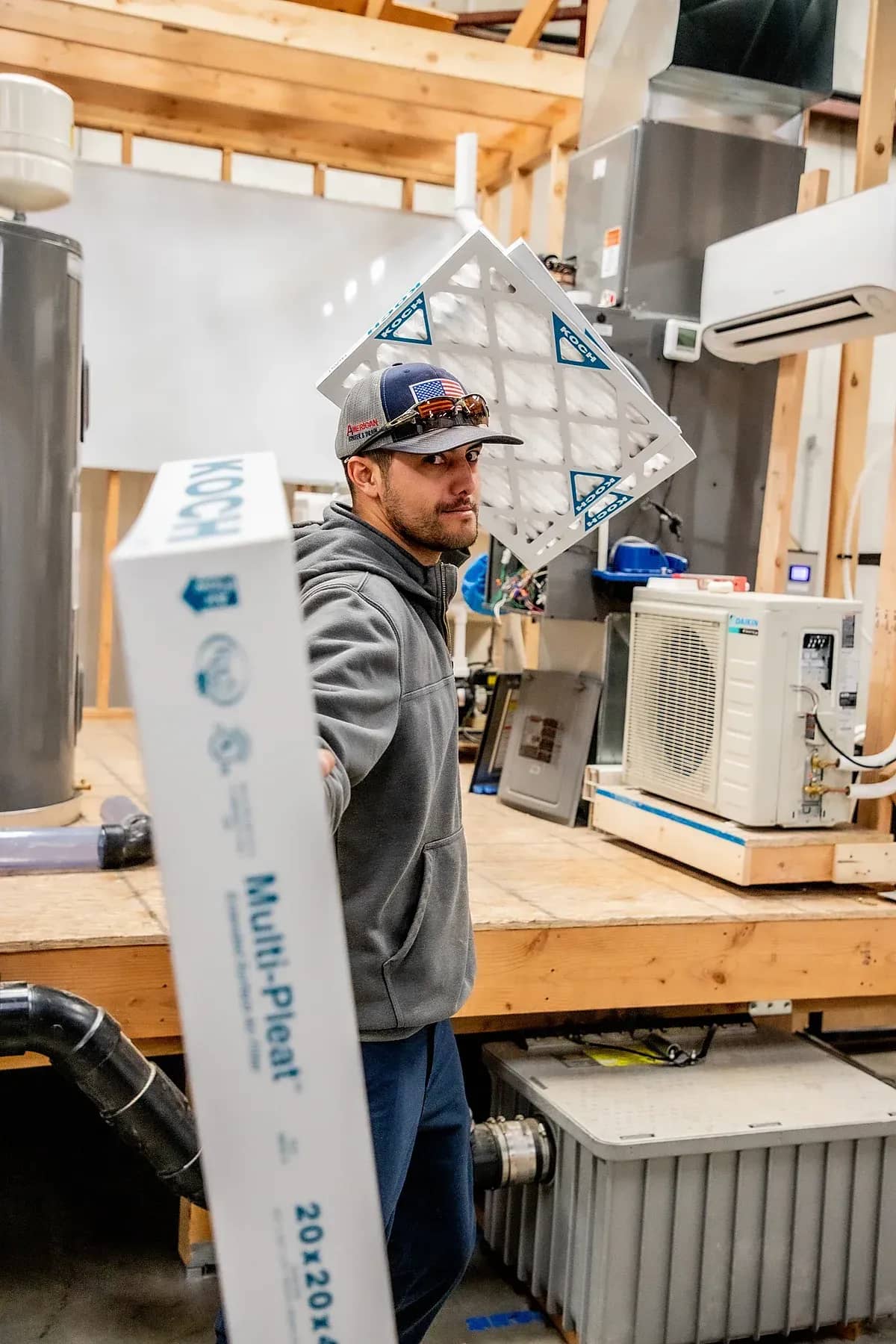
- Change filters every 1–3 months depending on your household (pets and dust accelerate clogging)
- Schedule annual tune-ups — before heating season for your furnace, before cooling season for your AC
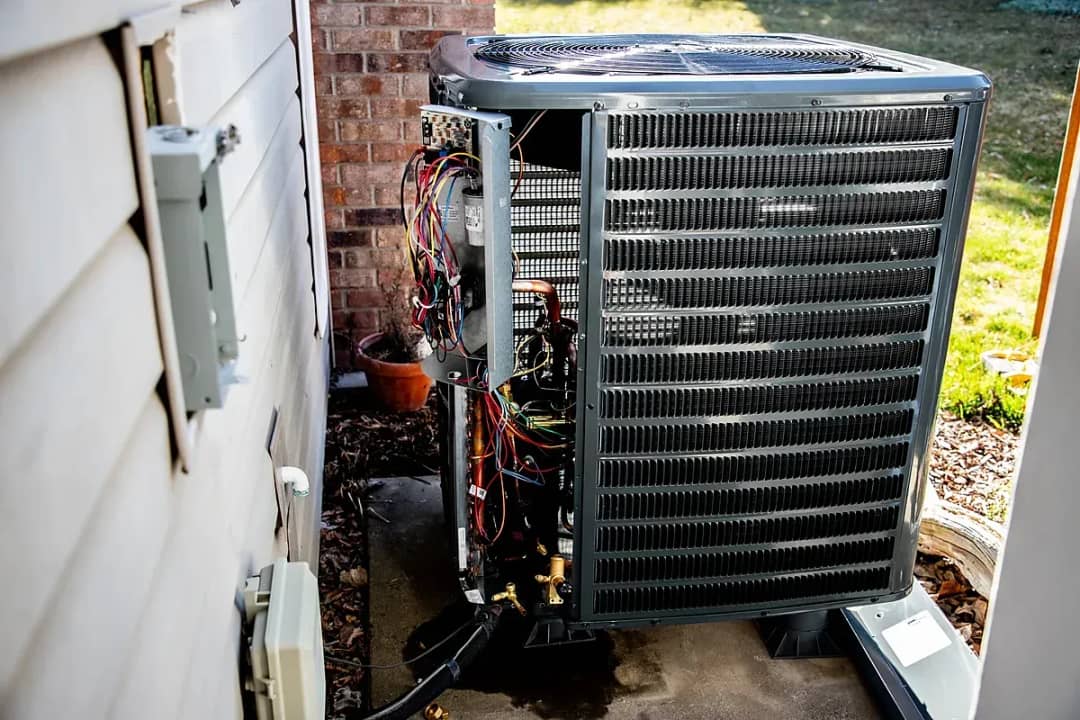
- Keep outdoor units clear of debris, weeds, and obstructions
- Use a programmable or smart thermostat to reduce unnecessary runtime
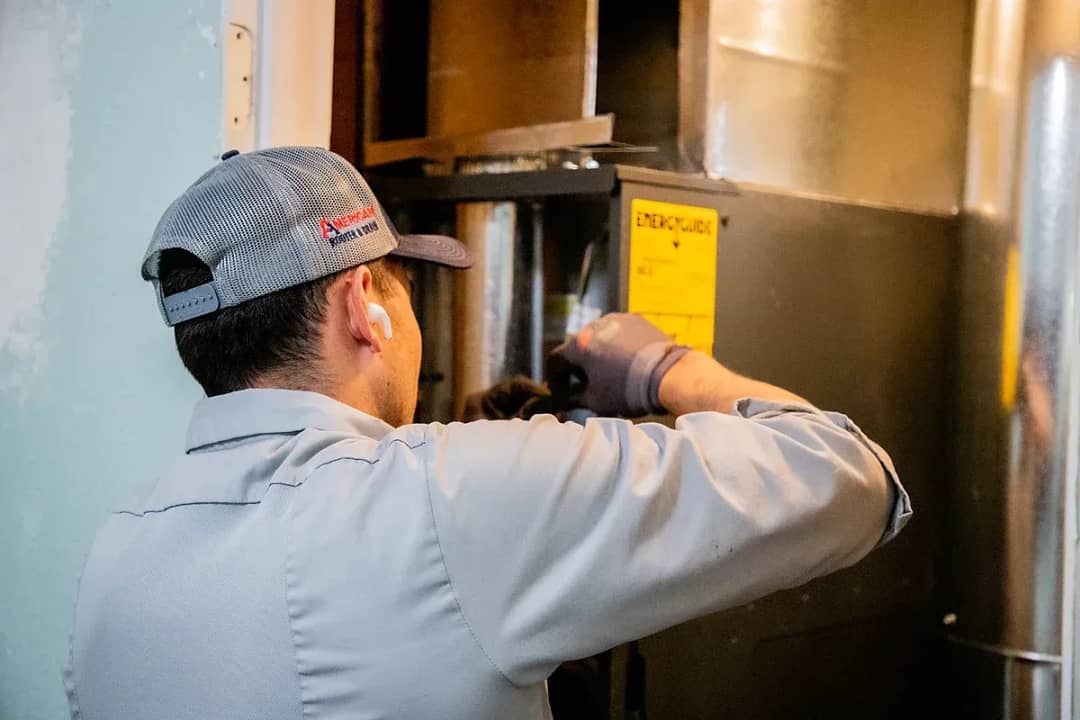
Some maintenance tasks are easy DIY. The annual inspection and tune-up should be done by a pro who can check refrigerant levels, test safeties, clean heat exchangers, and spot developing problems before they become failures.
Ready to talk through your options? The team at American Rooter & Drain serves homeowners across the Treasure Valley and Eastern Oregon with honest, straightforward HVAC service. Call us at (208) 366-5771 or book online — we'll help you find the right system for your home and budget.
Frequently asked questions
How do I know what size HVAC system my home needs?
A qualified technician should perform a Manual J load calculation, the industry-standard method for sizing HVAC equipment based on your home's square footage, insulation, ceiling height, and window placement.
What should I look for when comparing HVAC efficiency ratings?
Look for ENERGY STAR certification, a high SEER2 rating for air conditioners and heat pumps, and a high AFUE rating for gas furnaces — 80% is standard, 96%+ is high-efficiency.
Should I repair or replace my HVAC system?
As a rule of thumb, if your system is over 10 years old and needs a repair that costs more than half the price of a new unit, replacement usually makes more financial sense. A well-maintained system in good condition may still have years of life left.
How often should I change my HVAC filters?
Change filters every 1–3 months depending on your household — more often if you have pets or heavy dust.
What are the warning signs my HVAC system needs attention?
Watch for uneven temperatures from room to room, unusual noises like banging or squealing, unexplained spikes in energy bills, frequent cycling on and off, or a furnace producing a burning smell or insufficient heat.