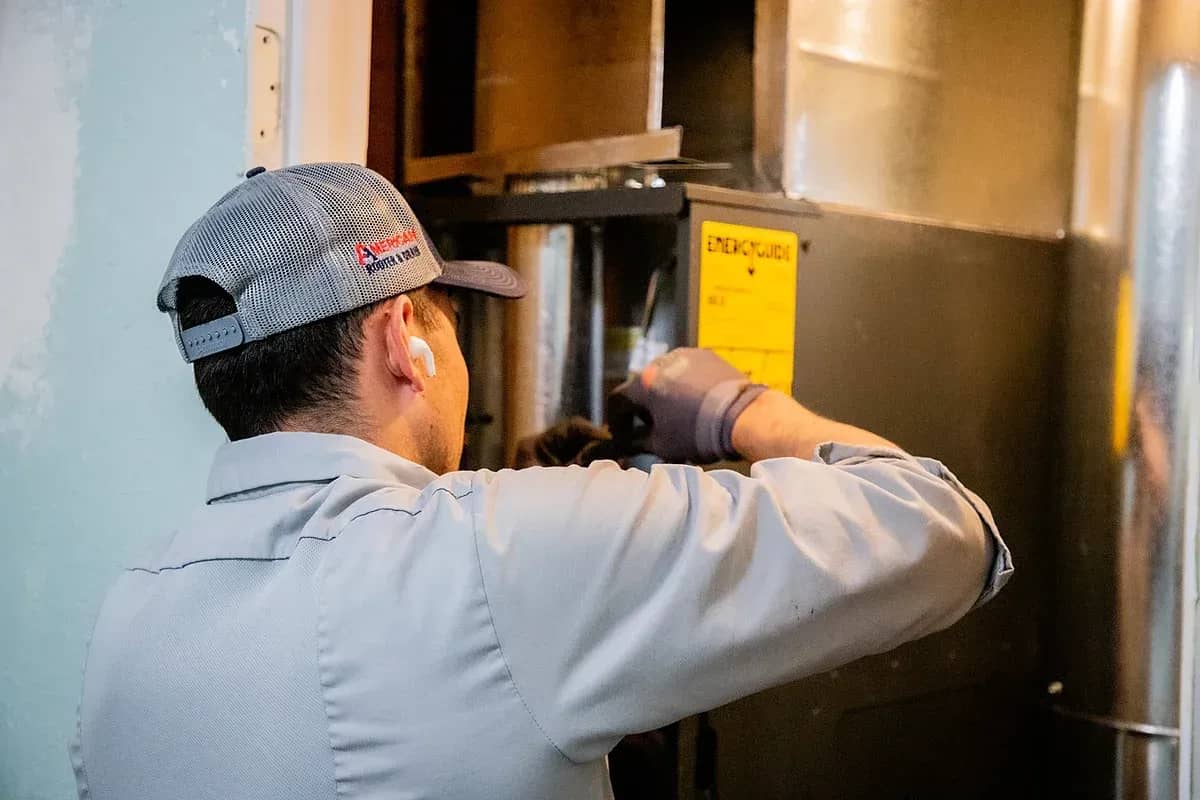

Spring: Clear Out Winter's Leftovers
Pollen, extra rainfall, and newly active tree roots make spring a busy season for home systems.
Air Conditioning
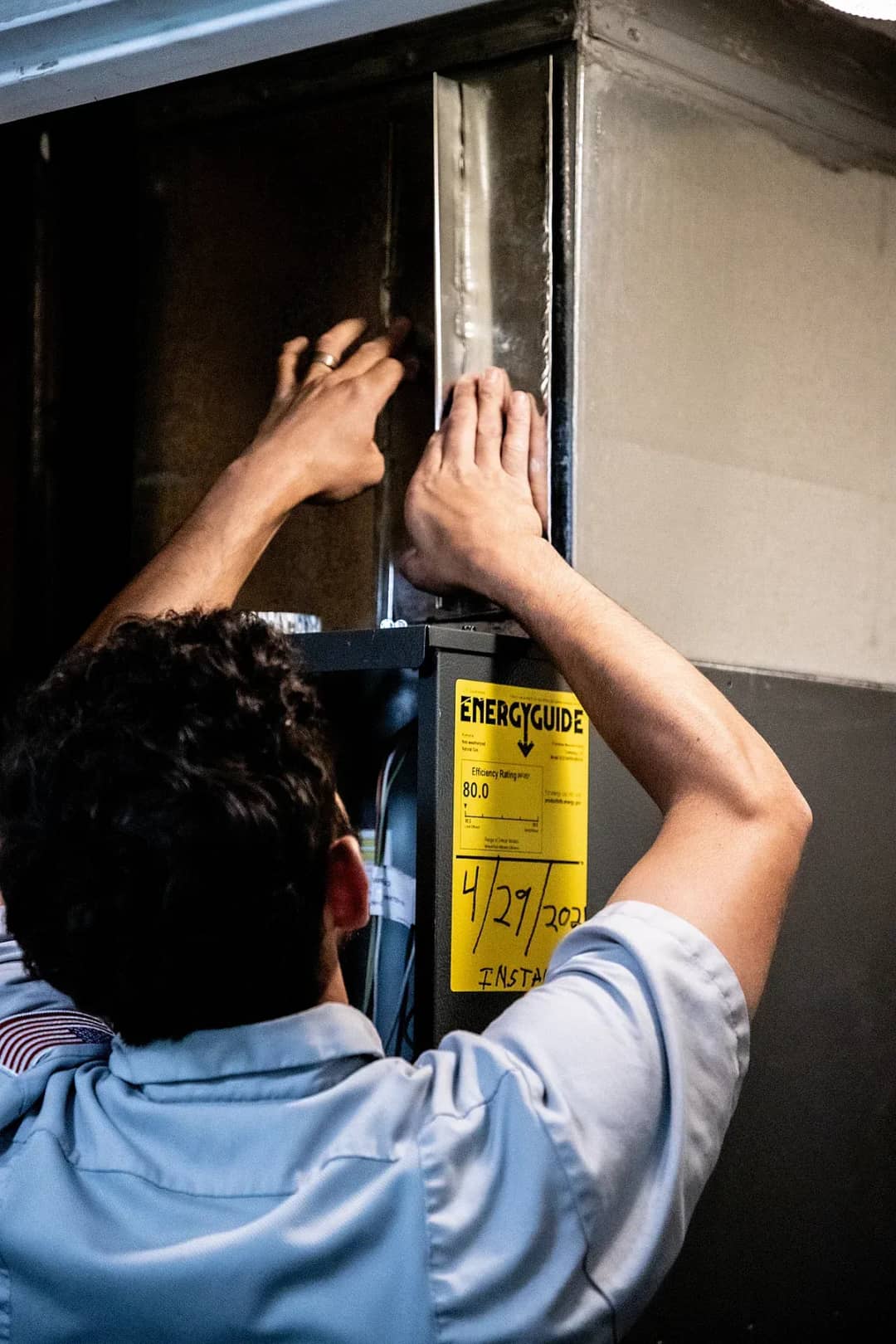
After sitting idle all winter, your AC's filters, coils, and drain lines can be packed with dust and debris. A spring tune-up lets a technician catch weak capacitors, low refrigerant, or dirty coils before the first 95-degree day hits and you're left sweating.
Plumbing
Tree roots wake up fast in spring and love cracked or aging sewer lines. Increased rainfall also stresses drainage around foundations. A sewer camera inspection early in the season can catch root intrusion before it turns into a full blockage.
Summer: Handle the Heat Before It Handles You
Air Conditioning
Extended run times push components hard. Fan motors, capacitors, and contactors are the most common summer casualties — especially on systems that didn't get a spring checkup. If your unit is struggling to keep up or cycling on and off frequently, don't wait. A small repair now is far cheaper than an emergency call during a heat wave.
Plumbing
Irrigation systems, outdoor spigots, and higher overall water use add load to your plumbing. Underground pipes in sun-baked soil can develop weak spots. Have a plumber inspect your outdoor lines and irrigation connections so you're not dealing with a leak mid-season.
Fall: Set Up for a Smooth Winter
Air Conditioning
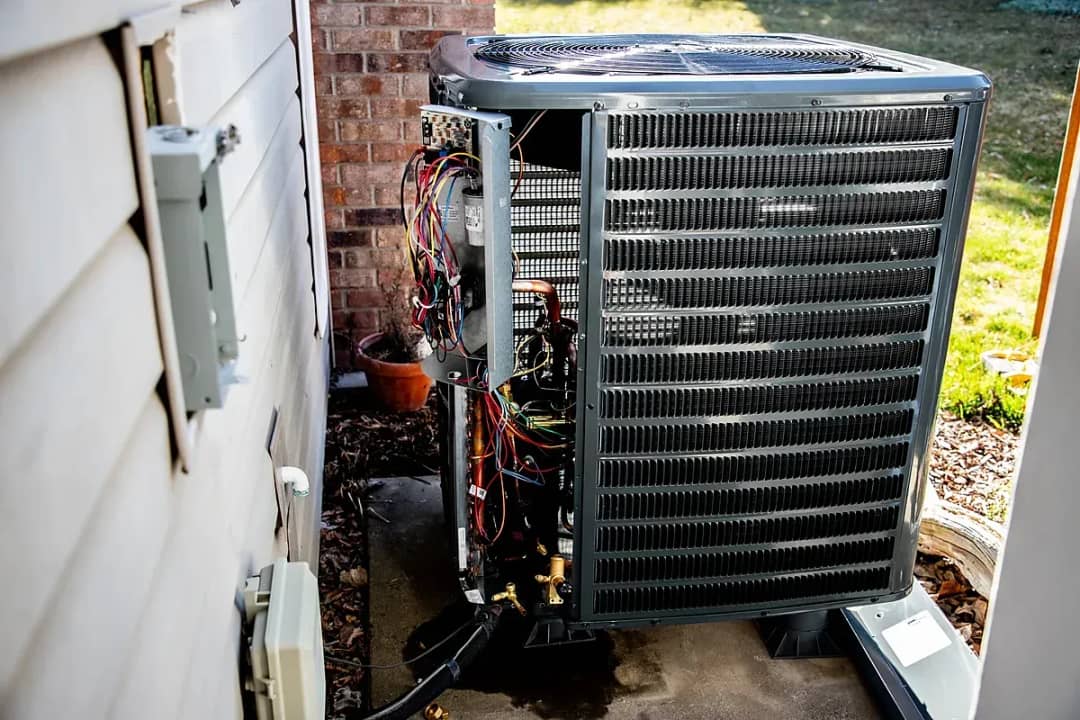
Fall is the right time to assess any wear your AC picked up over summer — refrigerant leaks, loose electrical connections, or a clogged condenser coil. Fixing these now means the system starts next cooling season in good shape instead of failing on the first warm day.
Plumbing
Fall winterization is critical in the Treasure Valley and Eastern Oregon:
- Disconnect and drain garden hoses
- Drain and shut off irrigation systems
- Insulate exposed pipes in garages, crawl spaces, and exterior walls
- Check indoor fixtures for slow drips that will only worsen in the cold
Winter: Don't Let the Cold Catch You Off Guard
Air Conditioning
Your AC may sit unused for months, but that doesn't mean it's safe from damage. Rodents look for warm places to nest and will chew wiring in outdoor units. Cold temperatures can also degrade rubber seals. A simple protective cover and a pre-season inspection in spring prevent nasty surprises.
Plumbing
Frozen pipes are the most common and most expensive winter plumbing problem in our region. Water expands when it freezes and can split a pipe open in minutes.
- Keep your thermostat set no lower than 55°F, even when away
- Open cabinet doors under sinks on exterior walls during hard freezes
- Know where your main shutoff valve is
- Water heaters work harder in winter — a quick flush and temperature check keeps them efficient
Year-Round Habits That Pay Off
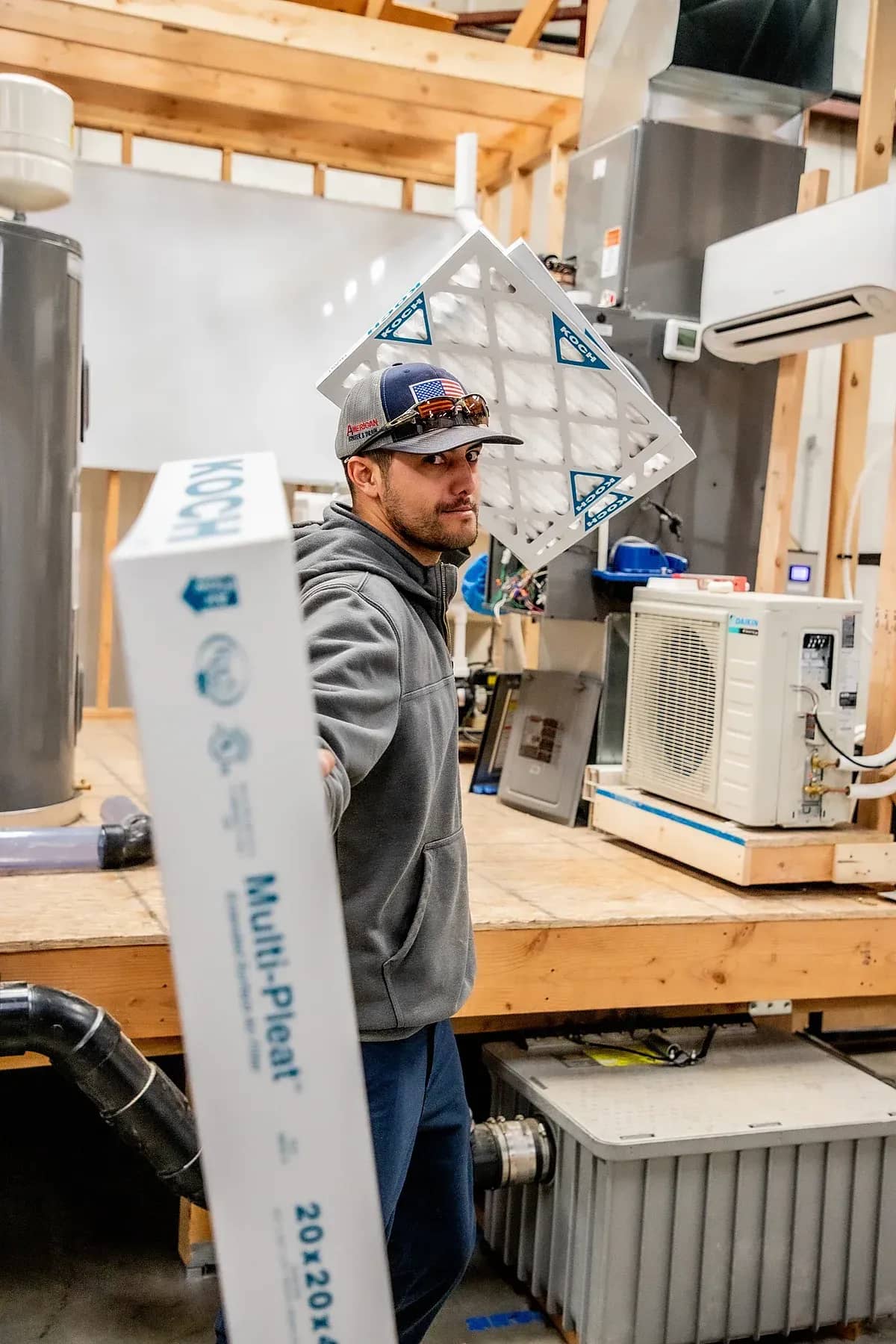
- Change your AC filter regularly. Every 1–3 months depending on pets and dust levels.
- Schedule annual drain cleaning. Spring pollen, summer sediment, fall leaves, and winter salt all find their way into drain lines.
- Flush your water heater once a year to remove sediment buildup and extend its life.
- Watch your water pressure. Sudden changes often signal a developing problem upstream.
Staying ahead of seasonal maintenance isn't about spending more money — it's about spending it at the right time, before a small issue becomes a costly emergency.
Ready to get your home's systems dialed in before the next season hits? Call American Rooter & Drain at (208) 366-5771 or book online — we serve the Treasure Valley and Eastern Oregon, Monday through Saturday.
Frequently asked questions
How should I prepare my plumbing for winter?
Keep your thermostat set no lower than 55°F even when away, open cabinet doors under sinks on exterior walls during hard freezes, know where your main shutoff valve is, and flush your water heater once a year.
What AC maintenance should I do in spring?
A spring tune-up lets a technician catch weak capacitors, low refrigerant, or dirty coils before the first 95-degree day hits, since filters, coils, and drain lines can be packed with dust and debris after sitting idle all winter.
Why do tree roots cause plumbing problems in spring?
Tree roots wake up fast in spring and love cracked or aging sewer lines, so a sewer camera inspection early in the season can catch root intrusion before it turns into a full blockage.
How often should I change my AC filter?
Change your AC filter regularly, every 1–3 months depending on pets and dust levels.
What fall plumbing steps help prevent winter problems?
Disconnect and drain garden hoses, drain and shut off irrigation systems, insulate exposed pipes in garages, crawl spaces, and exterior walls, and check indoor fixtures for slow drips that will only worsen in the cold.