
What Refrigerant Does and Why It Matters
Refrigerant is the chemical compound that makes cooling possible. It circulates through a closed loop of copper coils, absorbing heat from the air inside your home and releasing it outside. Without the right amount of refrigerant at the right pressure, your AC cannot transfer heat — no matter how hard it runs.
Refrigerant isn't consumed like fuel. A properly sealed system should hold the same charge for the life of the equipment. If the level is low, that means refrigerant has escaped somewhere, and simply "topping it off" without finding the leak is only a temporary fix.
How the Refrigeration Cycle Works
Four components work together to move heat out of your home:
- Compressor — Pressurizes the refrigerant, raising its temperature before it moves outside.
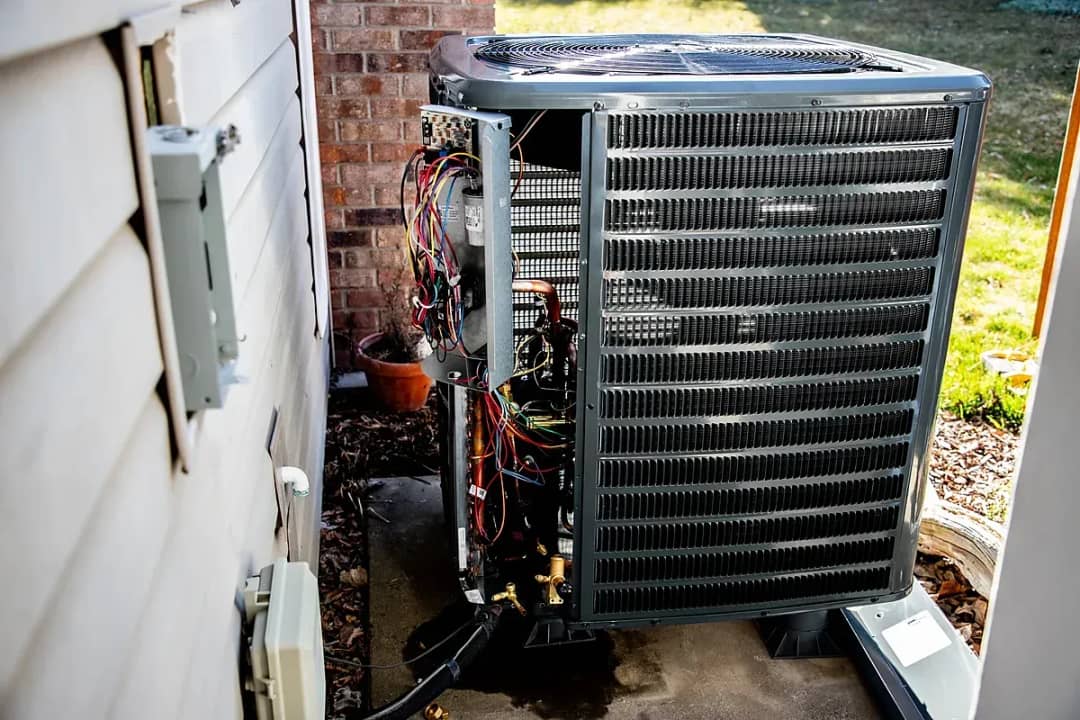
- Condenser coil — Sits in the outdoor unit and releases heat to the outside air.
- Expansion valve — Drops the pressure (and temperature) of the refrigerant before it re-enters the house.
- Evaporator coil — Located inside, it absorbs heat from your indoor air, cooling the space.
The refrigerant shifts between liquid and gas as it travels through this loop. Any disruption to that cycle — a leak, a failing component, or improper charge — reduces how effectively your system cools.
What Happens When Refrigerant Leaks
Leaks develop at fittings, joints, or tiny pinholes that form in the coils over time. Once refrigerant escapes, several problems follow:
- Warm air from the vents — The system runs but can't absorb enough heat to cool your home.
- Longer run times — The AC works harder trying to hit the thermostat setpoint it can no longer reach.
- Higher energy bills — More runtime equals more electricity used.
- Frozen evaporator coil — Low refrigerant causes the coil to drop below freezing, which restricts airflow and makes cooling even worse.
- Compressor damage — Running persistently with low refrigerant puts serious strain on the compressor, which is one of the most expensive parts in the system.
Signs You May Have a Refrigerant Problem
Call for AC service if you notice any of the following:
- Air blowing from vents is warm or barely cool
- Hissing or bubbling sounds near the indoor or outdoor unit
- Ice forming on the lines or the indoor coil
- A sudden, unexplained jump in your electric bill
- The system runs continuously without reaching the set temperature
How a Technician Finds and Fixes a Leak
Proper refrigerant repair is a multi-step process — not a quick top-off.
Step 1: Inspection and Leak Detection
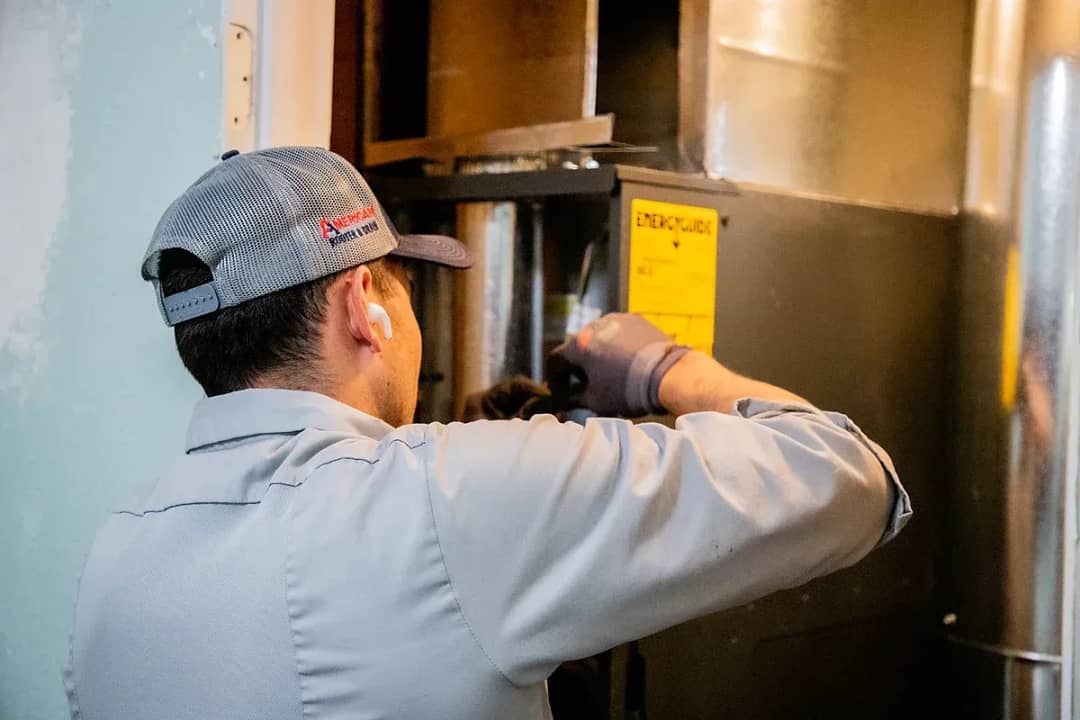
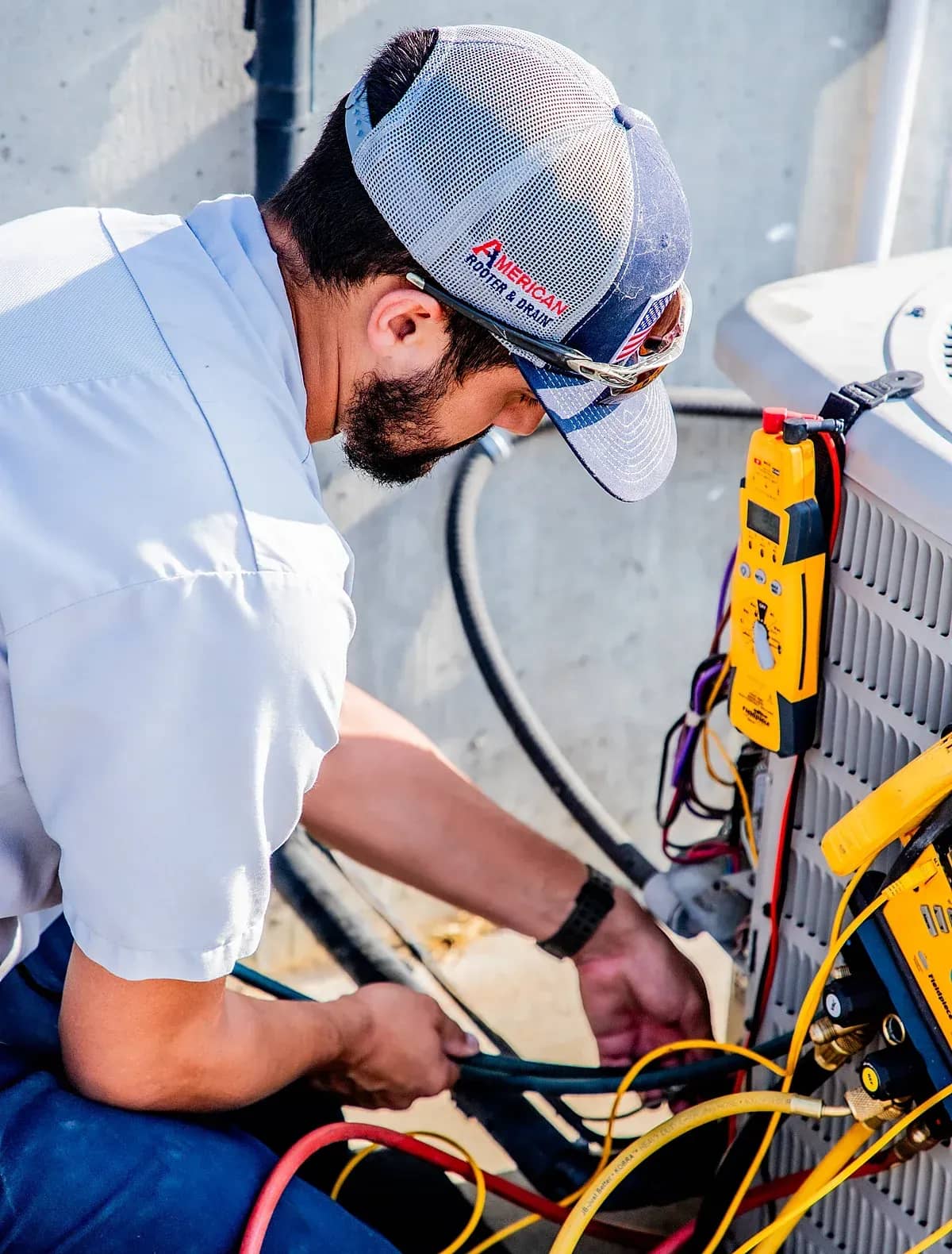
A certified technician inspects the system and uses tools such as an electronic leak detector or UV dye to locate exactly where refrigerant is escaping.
Step 2: Repairing the Source
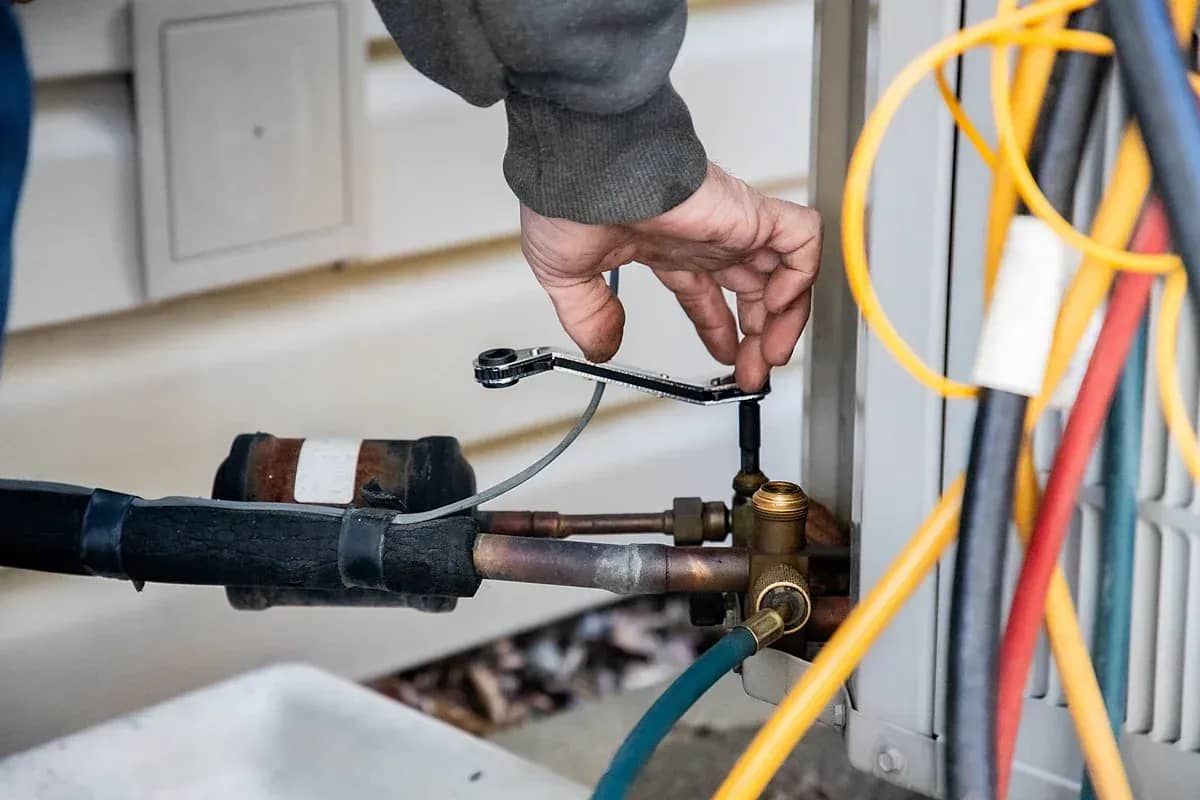
Depending on where the leak is, the fix may involve tightening a fitting, replacing a section of copper tubing, or — if the coil is badly corroded — replacing the evaporator or condenser coil entirely.
Step 3: Evacuating the System
Before recharging, the technician uses a vacuum pump to pull out any air and moisture that entered the system. Skipping this step causes future problems, including acid buildup that corrodes components from the inside.
Step 4: Recharging and Testing
The correct type and amount of refrigerant is added, and the system is tested for proper pressures, temperatures, and overall performance.
Why This Isn't a DIY Job
Handling refrigerant legally requires EPA Section 608 certification. The chemicals operate under high pressure, and improper handling creates safety risks and can damage the system further. Beyond the legal requirements, accurately diagnosing a leak — and verifying the repair held — requires specialized equipment that isn't available at a hardware store.
The Environmental Side
Many refrigerants, particularly older types like R-22, contribute to ozone depletion or carry a high global-warming potential. Regulations require that refrigerant be recovered, not vented. A licensed technician handles disposal correctly and can advise you on more environmentally friendly options if your system uses a refrigerant being phased out.
Preventing Future Leaks
No system lasts forever, but good habits reduce the risk of premature refrigerant problems:
- Schedule an annual AC tune-up — A technician can catch a small developing leak before it turns into a major repair.
- Change air filters regularly — Restricted airflow stresses the system and can contribute to coil damage over time.
- Keep the outdoor unit clear — Debris around the condenser restricts airflow and makes the system work harder.
- Don't ignore early warning signs — A small leak caught early costs far less to fix than a damaged compressor.
Local AC Repair for the Treasure Valley
American Rooter & Drain is a veteran-owned, family-run company serving Boise, Garden City, Nampa, Caldwell, Meridian, and communities throughout southwestern Idaho and eastern Oregon. Our EPA-certified technicians diagnose refrigerant problems accurately, repair the source of the leak, and restore your system to proper operating condition — so you're not back in the same situation a few weeks later.
If your AC isn't keeping up this summer, call us at (208) 366-5771 or book online to schedule an AC repair appointment.
Frequently asked questions
What does refrigerant do in an air conditioner?
Refrigerant circulates through a closed loop of copper coils, absorbing heat from the air inside your home and releasing it outside. Without the right amount of refrigerant at the right pressure, your AC cannot transfer heat, no matter how hard it runs.
If my AC is low on refrigerant, does that mean it's being used up?
No. Refrigerant isn't consumed like fuel — a properly sealed system should hold the same charge for the life of the equipment. If the level is low, refrigerant has escaped somewhere, and simply topping it off without finding the leak is only a temporary fix.
How does a technician find and fix a refrigerant leak?
A certified technician inspects the system and uses tools such as an electronic leak detector or UV dye to locate the leak, repairs the source, uses a vacuum pump to evacuate the system, then recharges it with the correct refrigerant and tests for proper performance.
Why isn't handling refrigerant a DIY job?
Handling refrigerant legally requires EPA Section 608 certification. The chemicals operate under high pressure, and improper handling creates safety risks and can damage the system further.
What are signs I may have a refrigerant leak?
Air blowing from vents that is warm or barely cool, hissing or bubbling sounds near the indoor or outdoor unit, ice forming on the lines or the indoor coil, a sudden unexplained jump in your electric bill, and the system running continuously without reaching the set temperature.