Start with Regular HVAC Maintenance
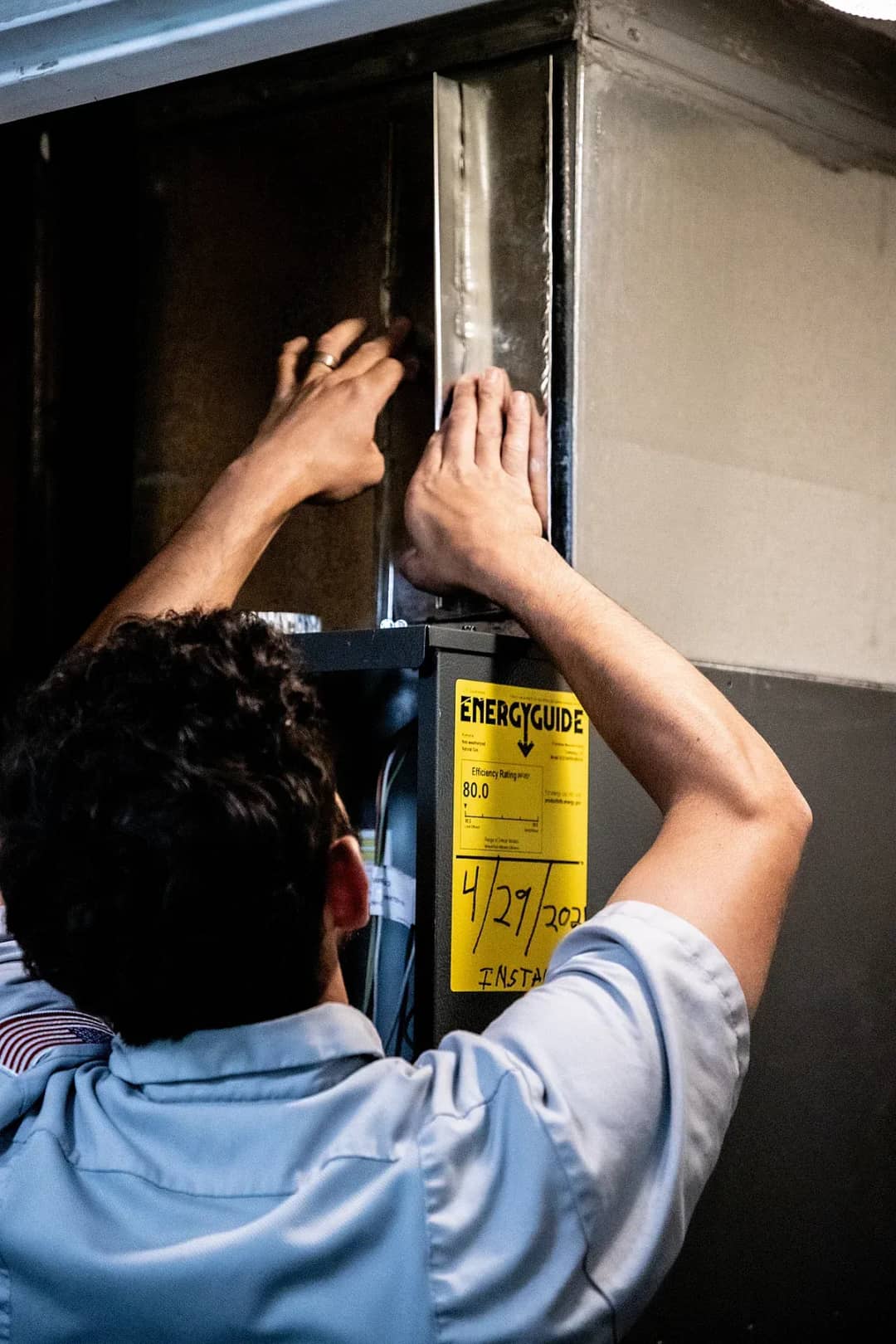
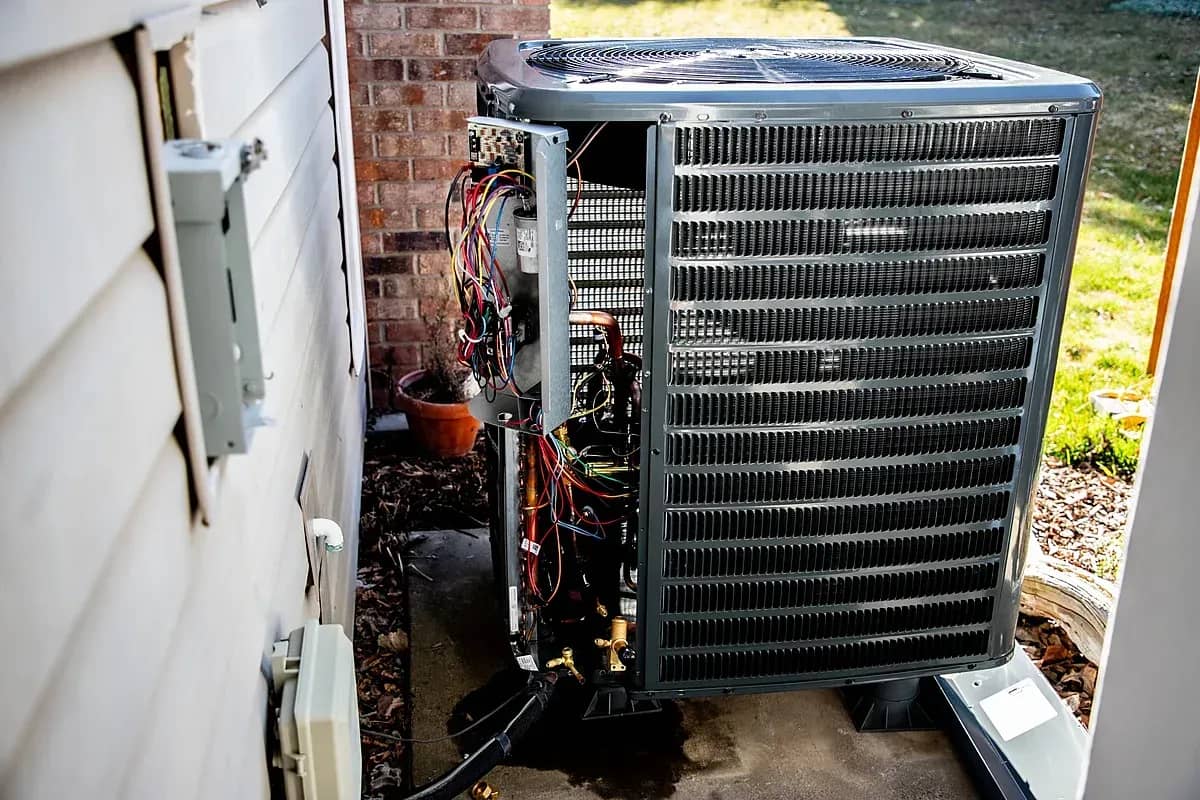
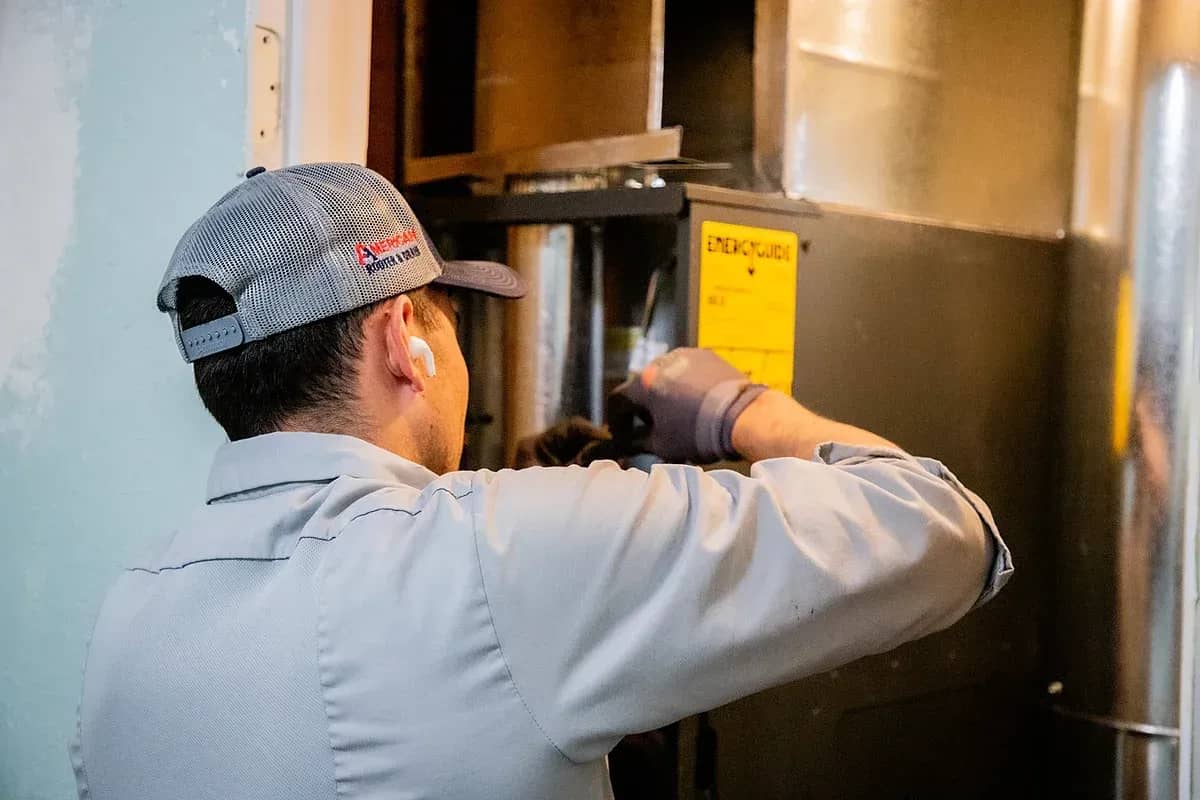
A heating or cooling system that hasn't been serviced in a while works harder than it needs to — and you pay for that extra effort on your utility bill. Routine tune-ups by a qualified technician typically include:
- Checking refrigerant levels
- Inspecting electrical connections
- Cleaning coils and components
- Verifying airflow and filter condition
Catching small issues early prevents them from becoming expensive repairs and keeps your system running at its most efficient. Plan on scheduling a tune-up at least once a year — ideally before heating season and again before cooling season.
Five Practical Ways to Cut Heating and Cooling Costs
1. Upgrade to an energy-efficient system. Modern ENERGY STAR–certified furnaces, heat pumps, and air conditioners consume significantly less energy than older equipment.
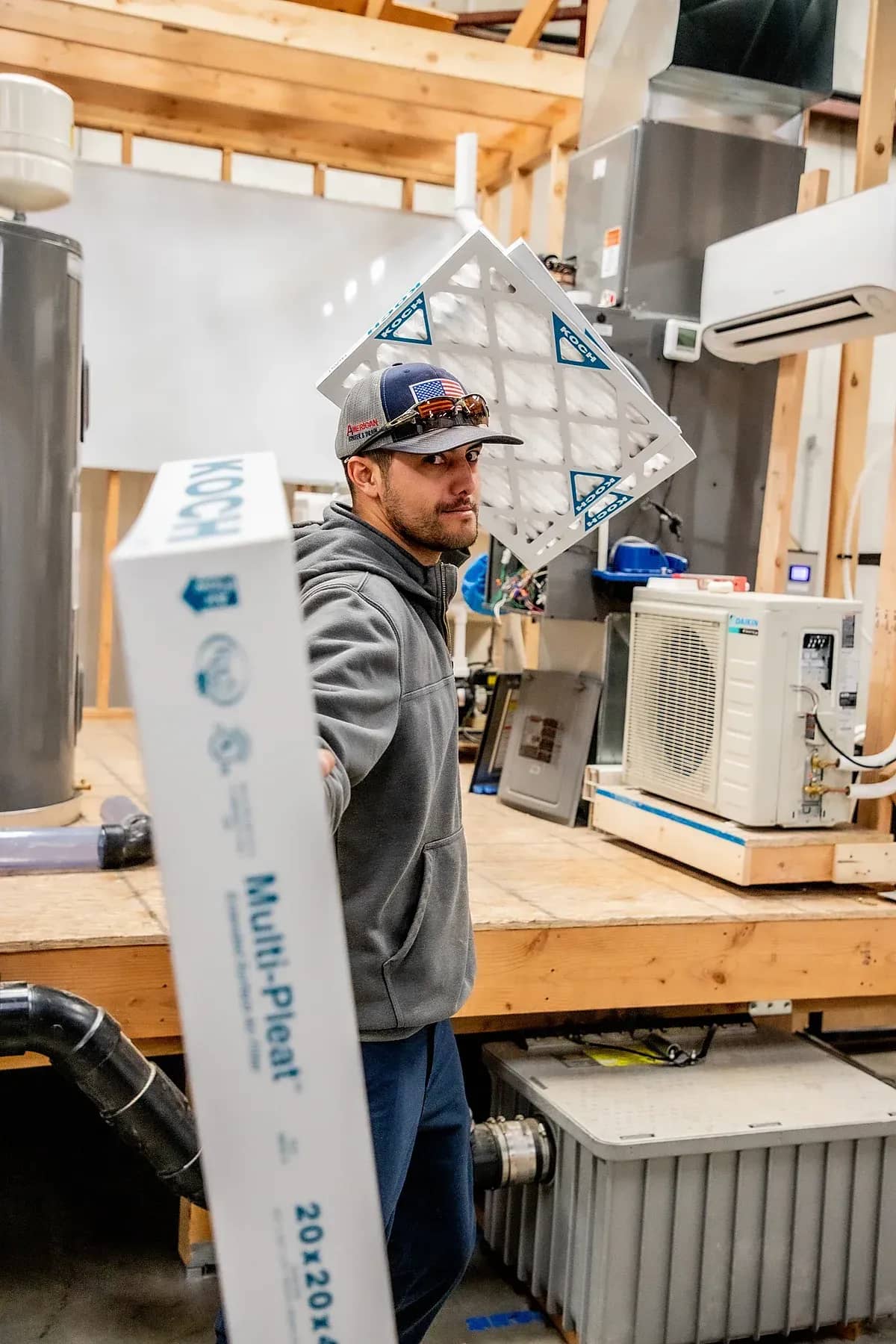
2. Change air filters regularly. A clogged filter restricts airflow and forces your system to work overtime. Check filters monthly and replace them every 1–3 months depending on household conditions.
3. Improve insulation. Better insulation reduces how hard your HVAC system has to work to maintain a comfortable temperature.
4. Seal leaks around doors and windows. Gaps let conditioned air escape and outside air creep in — simple weatherstripping or caulk can make a noticeable difference.
5. Use a programmable or smart thermostat. Scheduling setbacks while you're away or asleep is one of the easiest ways to trim energy use without sacrificing comfort.
Getting the Most from a Programmable Thermostat
Program temperature setbacks during work hours and overnight rather than cranking the system to extreme settings when you get home — that approach uses more energy, not less. Revisit your schedule each season, and take advantage of remote-access features if your thermostat supports them so you can make adjustments on the fly.
Don't Overlook Your Plumbing
Plumbing efficiency is just as important as HVAC efficiency when it comes to monthly costs.
Low-Flow Fixtures
Installing low-flow faucets, showerheads, and toilets reduces water consumption without a noticeable drop in performance — a straightforward upgrade with immediate payback.
Water Heater Upgrades
Older tank water heaters lose heat constantly, even when no one is drawing hot water. Options worth considering:
- Tankless (on-demand) water heaters heat water only when you need it, eliminating standby heat loss.
- High-efficiency tank water heaters offer improved insulation and smarter controls compared to older models.
Either upgrade can reduce water-heating costs — typically one of the larger line items on an energy bill.
Fix Leaks Promptly
A dripping faucet or a running toilet wastes more water than most homeowners realize. A slow faucet leak or a faulty toilet flapper can add up to thousands of gallons a year. Addressing these small repairs quickly keeps water waste — and your bill — in check.
Choosing the Right HVAC System for Your Home
Sizing matters. An oversized unit short-cycles and wears out faster; an undersized one runs constantly and still can't keep up. A professional load calculation accounts for your home's square footage, insulation, window placement, and local climate — all factors that vary across the Treasure Valley and Eastern Oregon. Work with a technician you trust to find equipment that fits your actual needs and budget.
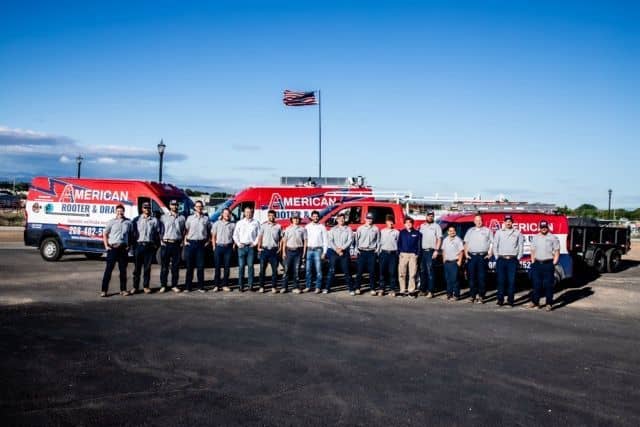
Ready to see where your home is losing energy and money? The team at American Rooter & Drain can evaluate your plumbing and HVAC systems and walk you through upgrade options that make sense for your situation. Call us at (208) 366-5771 or book online — we're here Monday–Friday 7 am–7 pm and Saturday 8 am–5 pm.
Frequently asked questions
What are practical ways to cut heating and cooling costs?
Upgrade to an energy-efficient ENERGY STAR–certified system, change air filters regularly, improve insulation, seal leaks around doors and windows, and use a programmable or smart thermostat.
How do low-flow fixtures help reduce utility bills?
Installing low-flow faucets, showerheads, and toilets reduces water consumption without a noticeable drop in performance — a straightforward upgrade with immediate payback.
What's the benefit of a tankless water heater?
Tankless, on-demand water heaters heat water only when you need it, eliminating the standby heat loss that older tank water heaters lose constantly, even when no one is drawing hot water.
Why does HVAC system sizing matter?
An oversized unit short-cycles and wears out faster, while an undersized one runs constantly and still can't keep up. A professional load calculation accounts for square footage, insulation, window placement, and local climate to find equipment that fits your actual needs.