
Your HVAC System Is the Lungs of Your Home
Indoor air can actually carry higher concentrations of pollutants than outdoor air, especially in tightly sealed, energy-efficient homes. Common culprits include:
- Dust and pet dander
- Pollen tracked in from outside
- Mold spores (a real concern in Idaho's drier climate, where moisture problems often go unnoticed)
- Volatile organic compounds (VOCs) from paints, cleaners, and adhesives
- Cooking fumes and smoke
- Bacteria and viruses
Addressing these pollutants starts with understanding how your HVAC system either helps or hurts the situation.
What a Good HVAC System Does for Air Quality
A properly designed and maintained system tackles indoor air quality (IAQ) from several angles:
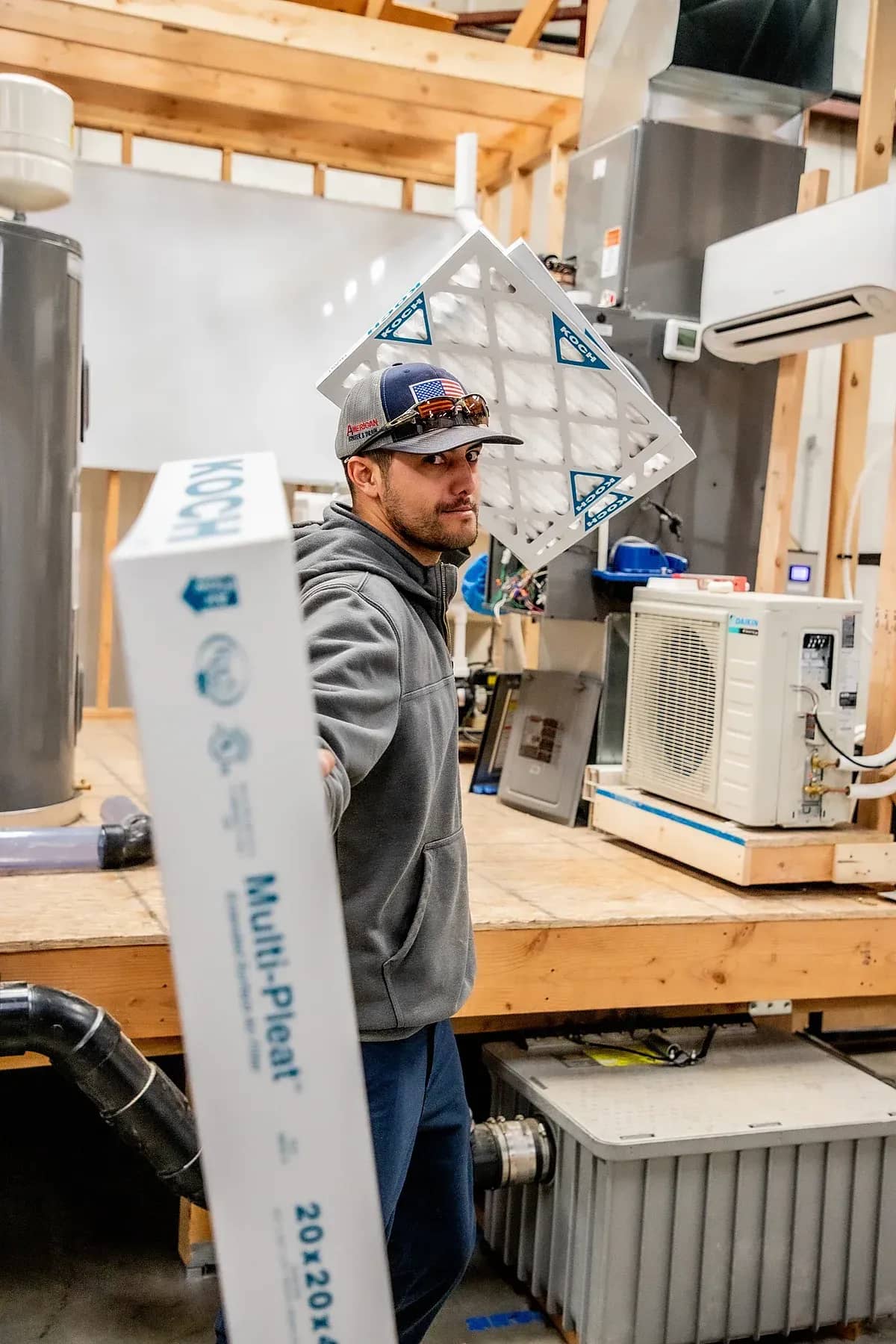
Air filtration — Quality filters trap dust, pollen, and fine particles before they recirculate through your living space. Filter ratings (MERV scale) matter; a higher rating catches smaller particles, though not every system can handle the airflow restriction that comes with very dense filters.
Humidity control — Treasure Valley summers can get dry, and winters even drier with forced-air heat running constantly. Too little humidity irritates airways; too much encourages mold and dust mites. A properly sized system keeps humidity in the healthy range (roughly 30–50%).
Ventilation — Fresh-air exchange removes stale, pollutant-laden air and replaces it with outdoor air. Older homes that have been air-sealed without mechanical ventilation upgrades often lack this.
Air purification — UV light systems installed inside the air handler kill bacteria, viruses, and mold spores. Whole-home air purifiers work alongside your existing ductwork to clean air in every room.
Regular Maintenance Isn't Optional
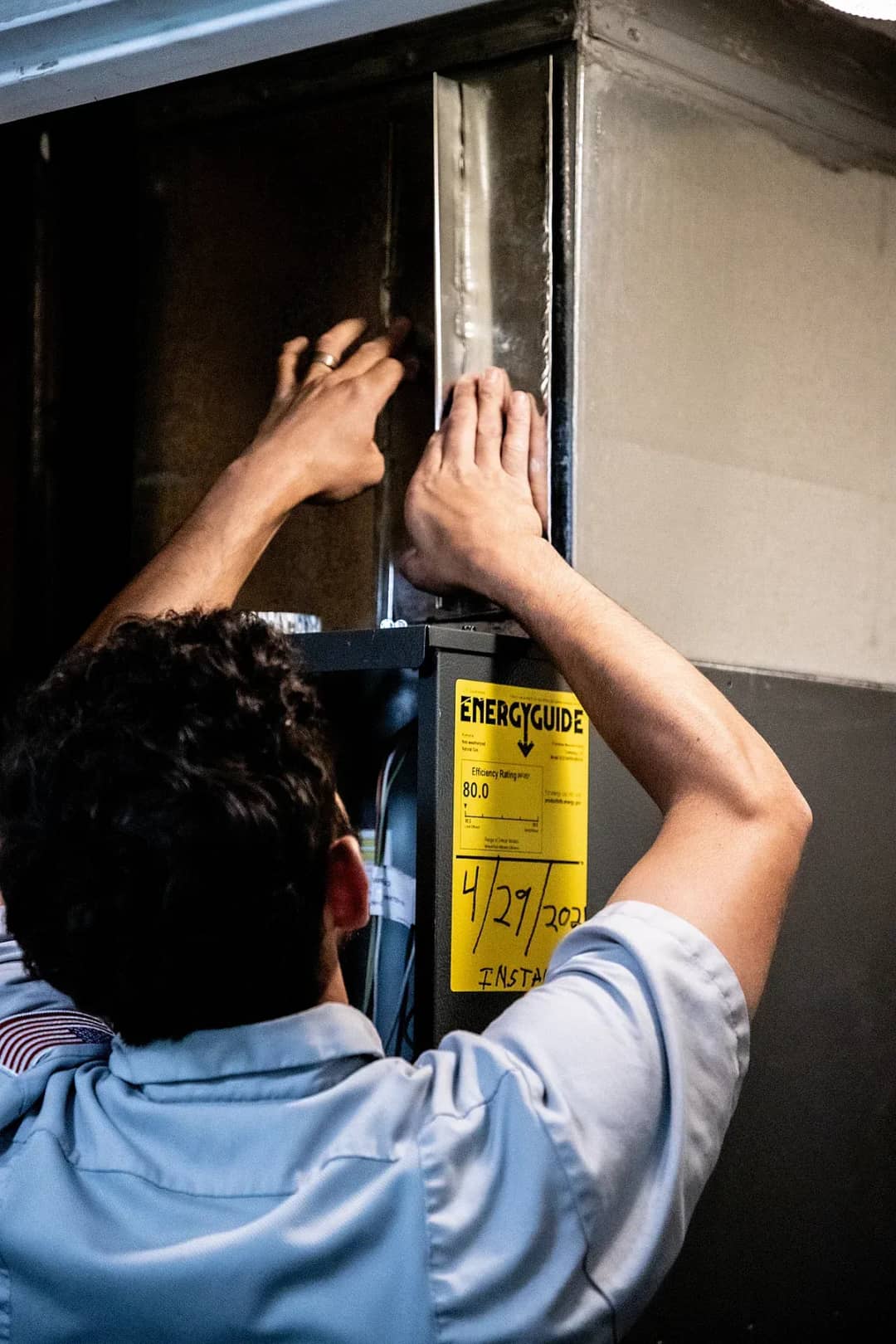
Even a top-of-the-line system loses effectiveness without routine care. Here's what a professional maintenance visit addresses:
- Filter changes — A clogged filter restricts airflow and allows particles to bypass the media entirely.
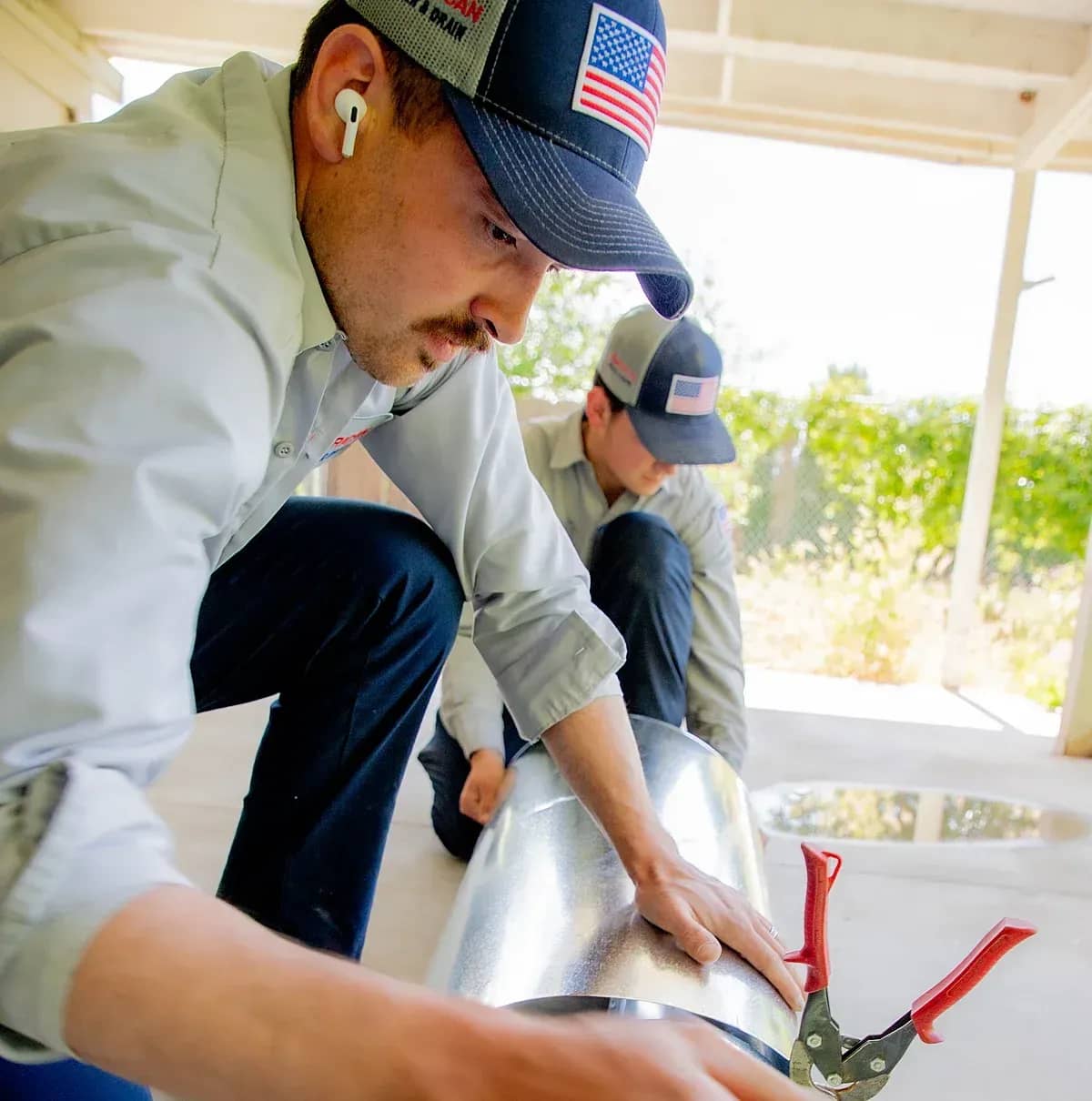
- Duct inspection and cleaning — Dust, debris, and occasionally mold can accumulate in ductwork and blow straight into living areas.
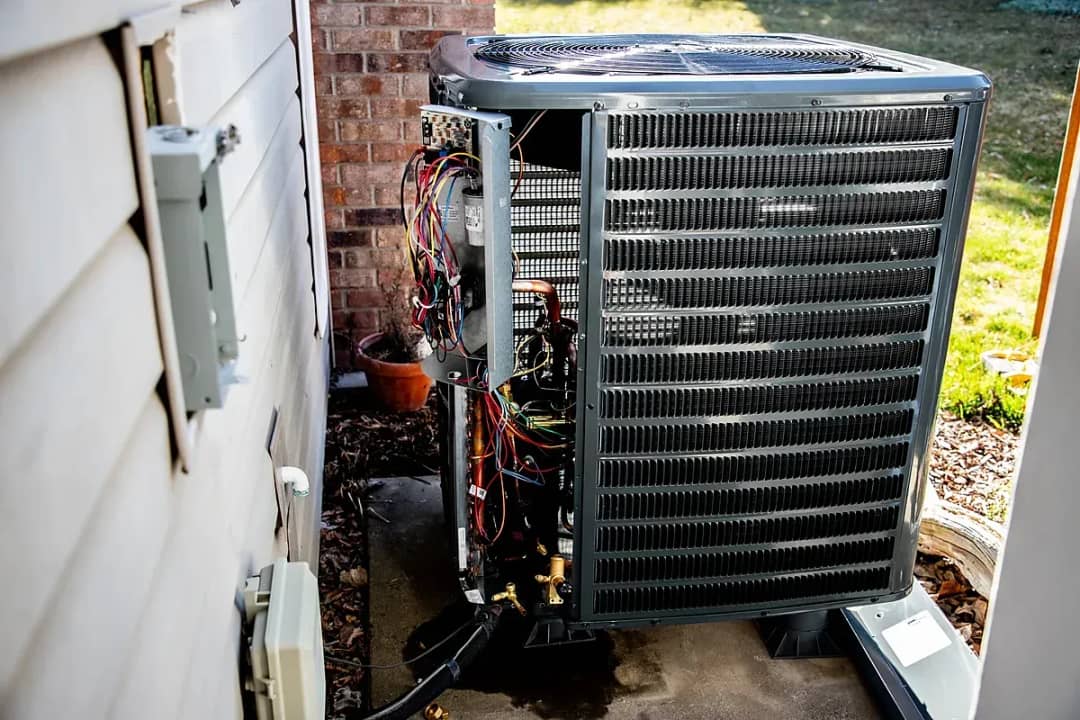
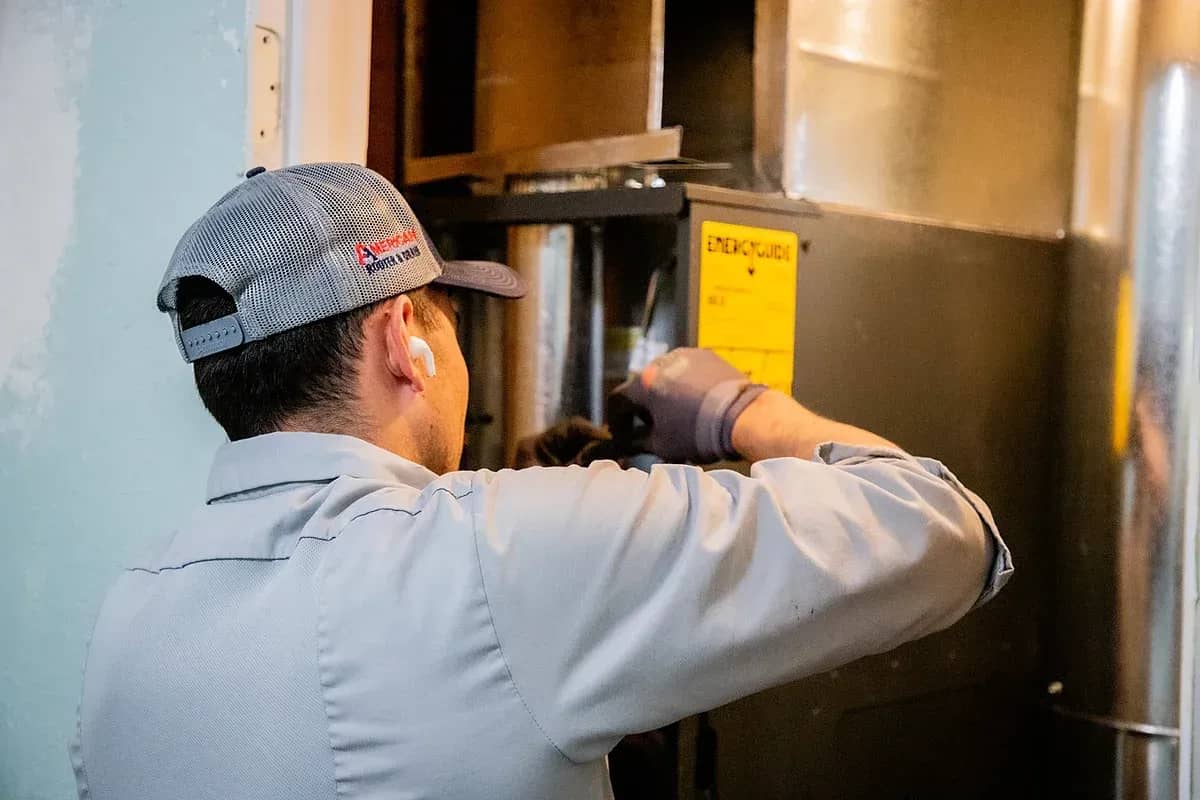
- System inspection — Technicians look for refrigerant leaks, failing components, and other issues that reduce efficiency and can affect air quality.
- Coil and drain-pan cleaning — Dirty evaporator coils and standing water in the drain pan are prime spots for mold growth.
A good rule of thumb: schedule HVAC maintenance twice a year — once in spring before cooling season and once in fall before heating season.
Signs Your Air Quality May Need Attention
You don't always need to wait for a health symptom to know something is off. Watch for:
- Dust accumulating quickly after cleaning
- Musty or stale odors when the system runs
- Visible mold or discoloration around vents
- Family members experiencing more frequent allergy or asthma flare-ups indoors
- The system running constantly but struggling to reach the set temperature
Any of these are worth a call to an HVAC professional.
Practical Steps You Can Take Right Now
Professional service makes the biggest difference, but daily habits help too:
- Change HVAC filters every 1–3 months (more often with pets or heavy dust)
- Vacuum with a HEPA-filter vacuum to avoid redistributing particles
- Run exhaust fans while cooking and showering to remove moisture and fumes
- Avoid smoking indoors and minimize use of aerosol sprays
- Open windows on mild Idaho days to flush stale air out naturally
Modern Upgrades Worth Considering
If your system is aging or your household has members with allergies or respiratory conditions, a few upgrades can make a meaningful difference:
- High-efficiency (MERV 11–13) filters — Capture finer particles without requiring a full system overhaul in most cases
- UV light air purifiers — Installed in the air handler to neutralize biological contaminants
- Whole-home humidifiers or dehumidifiers — Maintain healthy humidity levels automatically
- Smart thermostats — Help regulate temperature and humidity more consistently and can alert you to system irregularities
Frequently Asked Questions
How often should filters be changed?
Every 1–3 months for most households. Homes with pets, allergies, or heavy dust should check filters monthly.
Can my HVAC system help with allergies?
Yes. High-efficiency filters trap common allergens like pollen, pet dander, and dust mite debris. UV purifiers and whole-home air purifiers go a step further by neutralizing biological contaminants.
What's the difference between a standard filter and a HEPA filter?
Standard filters catch larger particles; true HEPA filters capture particles down to 0.3 microns. Not all residential HVAC systems support HEPA-rated filters without airflow modifications — ask a technician before swapping.
Should I have my ducts cleaned?
If you're seeing dust blow from vents, noticing musty odors, or have recently completed a renovation, a duct inspection is a good idea. A technician can determine whether cleaning is actually needed.
How does humidity affect air quality?
High humidity promotes mold and dust mites. Low humidity (common in Idaho winters) dries out mucous membranes and can worsen respiratory symptoms. Keeping relative humidity between 30–50% is the target.
Ready to take a closer look at what's in your home's air? The team at American Rooter & Drain serves the Treasure Valley and Eastern Oregon with honest, veteran-owned service. Call us at (208) 366-5771 or book online to schedule an HVAC inspection or indoor air quality consultation.